
Funeral workers in Ceuta laid to rest 18 unidentified migrants on Friday, three weeks after Spain’s deadliest border crisis killed more than 90 people during a mass crossing from Morocco.
The men were buried in numbered graves at the Muslim cemetery in Ceuta’s Tip of Africa, oriented toward Mecca in accordance with Islamic custom. Gravediggers placed the first four victims in cinderblock plots while a small group of local residents watched. An Islamic cleric read prayers as white body bags were lowered into the earth and covered with soil.
Numbered Graves for Unidentified Dead
The numbered stones marking each grave will make it possible to locate the remains if relatives come forward in the future to claim the victims. All 18 buried on Friday were men, according to the cemetery’s acting manager Said Mohammed. A Moroccan NGO has urged a halt to burials to allow for identification and repatriation of the bodies.
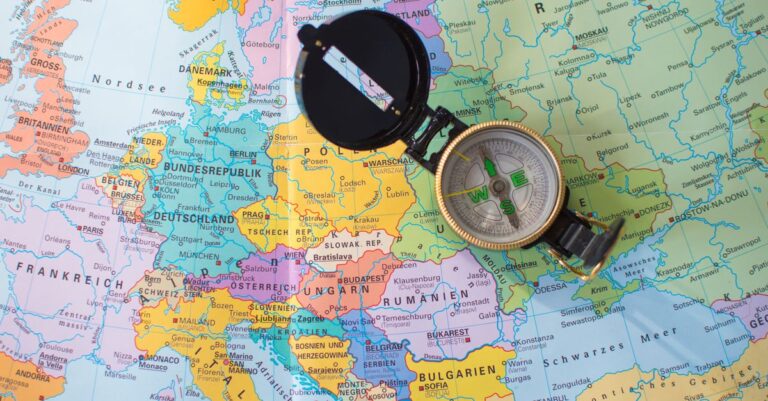
The burials came as Spain’s Foreign Ministry firmly rejected Morocco’s latest attempt to open sovereignty talks over Ceuta and Melilla. Foreign Minister Jose Manuel Albares conveyed Spain’s categorical rejection of Morocco’s demands and reiterated that both cities form part of Spain’s territorial integrity and therefore of the European Union.
Morocco’s Justice Minister Abdelatif Ouahbi proposed creating a dialogue mechanism to address the future of the two enclaves, but Madrid dismissed the proposal outright. Since the migration crisis began in late July, Ouahbi has repeatedly challenged Spanish sovereignty over both cities, stating on August 12 that the issue remained on the table in his contacts with Spain.
Thousands Still Stranded
The mass crossing on July 30-31 saw between 50,000 and 60,000 migrants surge into Ceuta, a Spanish territory of 85,000 people on the North African coast. Most have since returned to Morocco, but hundreds remain stranded on Trampolin beach and in the city. Spain’s health ministry has mobilized vaccines to Ceuta after cases of tuberculosis and scabies were detected among the remaining migrants.
The crisis reignited debate across Europe about migration policy and the security of the EU’s external borders. Spain deployed its armed forces and additional police to Ceuta, while Moroccan security forces used water cannons, tear gas and warning shots on their side of the border to turn back migrants.
Rabat has maintained its territorial claims over Ceuta and Melilla since gaining independence from Spain in 1956, while Madrid has repeatedly rejected any challenge to its sovereignty over the two enclaves.
discussion