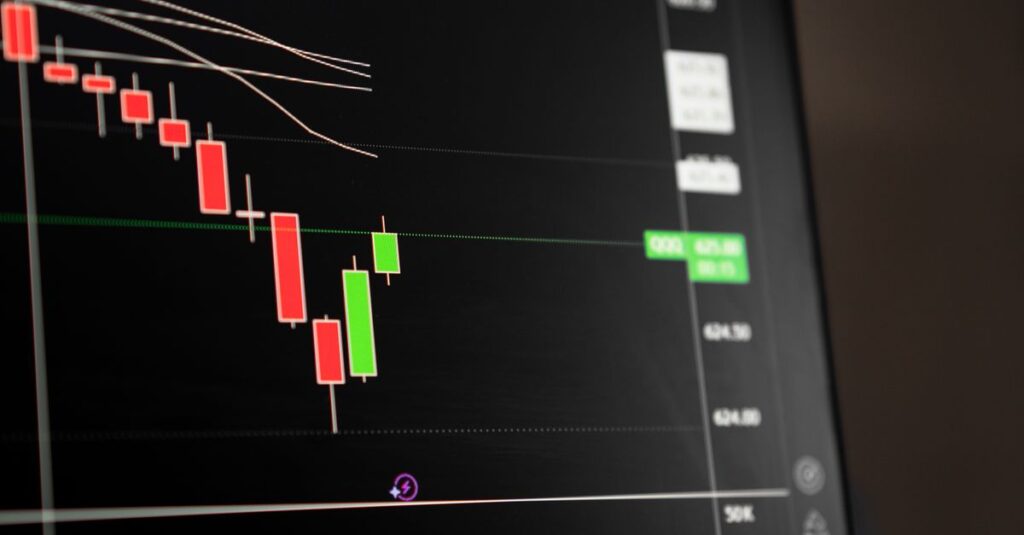
A global bond selloff that pushed US Treasury yields to multi-decade highs showed its first signs of stabilizing on Friday, as the 10-year yield slipped one basis point to 5.19% and Brent crude retreated toward $105 a barrel on hints of progress in US-Iran negotiations. Asian equities held their nerve through the session, with Japan’s Nikkei rising about 1.3% while most of the region stayed closed for holidays.
The pause follows two of the most punishing sessions for bond markets in over a year. The 10-year yield had surged 20 basis points across Wednesday and Thursday to a 19-year peak of 5.2251%, the biggest two-day gain since President Donald Trump’s April 2025 tariff rollout. The 30-year yield hit 5.5016%, its highest since 2004, before settling near 5.47%. Two-year yields jumped 16 basis points this week to hover near 4.90%, close to a two-year high.
The repricing reflects a simple problem: inflation is accelerating and the Federal Reserve is responding. The Fed raised rates by 25 basis points last week, its first hike in more than three years, and futures now imply a 73% chance of another move next month, up from about 53% earlier in the week. Swaps price more than 90 basis points of additional tightening over the cycle, roughly four quarter-point hikes.
Oil is the driver
Brent crude has climbed more than 75% this year, closing at $106.60 on Thursday after two days of gains, before easing about 1% in Asian trade Friday. The rally traces back to the US-Israel war against Iran, now in its seventh month, and specifically to a Houthi drone strike that took Saudi Arabia’s East-West pipeline offline, threatening up to 4% of global oil supply according to Reuters reporting. US diesel prices hit record levels near $6 a gallon, up roughly 60% since February.
The first real relief signal came from diplomacy. US and Iranian negotiators explored a phased deal under which Tehran would reopen the Strait of Hormuz and Washington would lift its blockade of Iranian ports. Iranian President Masoud Pezeshkian, speaking at the UN General Assembly, said it was up to the United States to choose when the war ends. US Secretary of State Marco Rubio confirmed no agreement has been reached. Polymarket pricing put a 62% probability on the ceasefire holding through October 31.
Shipping costs show how tight the market remains. Tanker rates on key Middle East-China routes have more than doubled since late August, hitting a record $1.2 million a day as the shortage of the largest supertankers compounds the supply disruption. Refiners are scrambling too: Japanese refiners rushed to book Omani crude after the Saudi pipeline shutdown, and China could curb fuel exports as its diesel and gasoline stocks sink.
The bill is arriving everywhere
Higher yields raise borrowing costs across the economy. The average US 30-year mortgage rate rose 17 basis points to 7.45%, its highest since November 2023 and up 150 basis points since late February. The OECD warned that governments’ debt interest bills are increasing pressure on public finances. UK borrowing surged to 18 billion pounds in August, a blow to Finance Minister Rachel Reeves ahead of the Budget. Companies building AI data centers face higher financing costs alongside everyone else.
Smaller central banks are falling in line. Norway’s Norges Bank raised rates on Thursday. Sweden’s Riksbank signaled it would likely follow by year end. Mexico’s Banxico held rates but dropped its guidance for a prolonged pause. Japan’s 10-year government bond yield touched 3.115%, the highest since 1996, while the five-year hit a record 2.41%. A global bond index yield crossed 4% for the first time since 2007.
| Market | Level Friday | Move |
|---|---|---|
| US 10-year yield | 5.19% | -1 bp, after +20 bps in two days |
| US 30-year yield | 5.47% | Peak 5.5016%, highest since 2004 |
| Brent crude | $105.30 | -1.2% after +7% in two days |
| Japan 10-year | 3.115% | Highest since 1996 |
| Dollar index | 101.22 | +1% on the week |
The dollar strengthened accordingly, rising 1% on the week to 101.22 against major peers, its highest since late July. One notable exception: the yen. Japan’s Finance Minister Satsuki Katayama disclosed that President Trump raised concern about yen weakness during his summit with Prime Minister Sanae Takaichi earlier this week, an unusually detailed account of currency discussions between the two governments. Katayama said she would keep close communication with US Treasury Secretary Scott Bessent. The dollar slipped 0.4% to 158.23 yen after her comments.
Equity markets split along energy lines. Airlines and cruise operators, sensitive to fuel costs, lagged while the broader indices churned. Hong Kong’s Hang Seng fell 1.4% and Australia’s resource-heavy index slipped 0.4%, but the Nasdaq 100 managed a fresh high this week as AI enthusiasm returned to the tape. The divergence between tech momentum and a bond market pricing four more hikes is the tension traders keep circling.
What comes next
Analysts expect oil and yields to keep driving markets. Elevated energy costs feed inflation, which reinforces the case for further Fed tightening, which pushes long yields higher and pressures equity valuations. US consumers now expect inflation to reach 4.6% over the next year, according to survey data cited by market commentators, a level that itself becomes a policy input if it persists.
For Friday at least, the pressure eased. Equity futures pointed higher in Europe, gold held around $4,270 an ounce, and the MSCI Asia-Pacific gauge eked out a gain. Bitcoin held near $84,200, largely unbothered by the bond stress. Whether the respite lasts depends on Hormuz. A deal that reopens the strait would pull oil down and take heat off the bond market. A breakdown would send both back through their highs, and mortgage rates, government budgets and equity multiples would all take another hit.