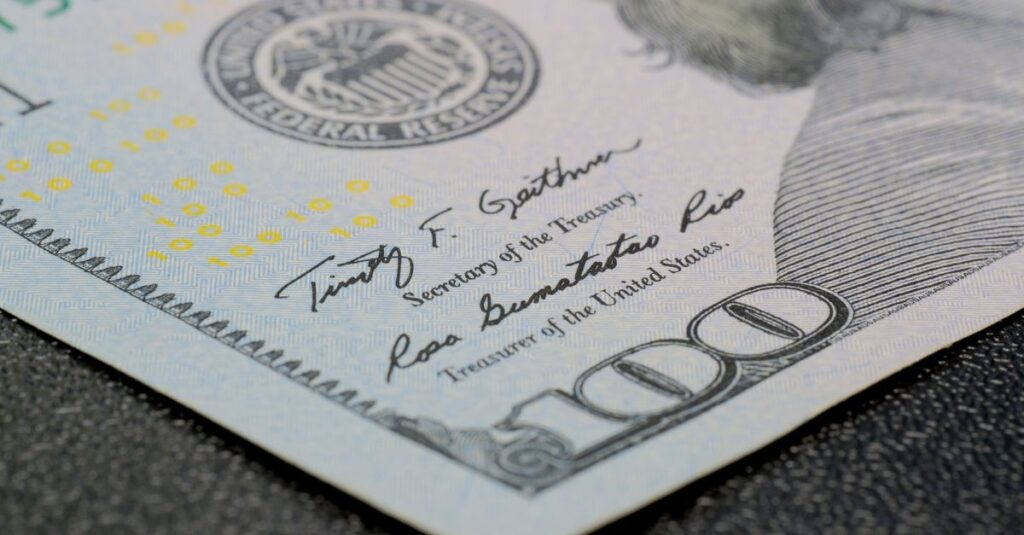
The European Central Bank raised all three key interest rates by 25 basis points this month, pushing the deposit facility rate to 2.25% as energy-driven inflation continued to pressure the euro area. The move marks the latest step in a tightening cycle that has seen the ECB reverse course on easing amid surging energy costs linked to the ongoing Iran conflict.
Eurozone inflation rose to 3.2% in May, driven by energy prices that surged 10.9%, and further acceleration is expected over the summer. ECB President Christine Lagarde warned that higher energy costs will keep pushing inflation upward, prompting the central bank to revise its 2026 inflation forecast upward to 3.0% from 2.6% in March.
Fed Rate Hike Odds Surge
Futures markets are now pricing in a 65% probability of a 25-basis-point Federal Reserve rate rise by December, according to S&P Global’s August outlook. This represents a significant shift from earlier in the year when rate cuts were widely expected.
The repricing follows persistent inflation data and the broader commodity price shock triggered by Middle East tensions. Brent crude has remained elevated above $100 per barrel for weeks, feeding through to broader price pressures across advanced economies.
Growth Forecasts Slashed
While tightening policy to fight inflation, the ECB simultaneously lowered its growth outlook, projecting just 0.8% GDP growth in 2026 and 1.2% in 2027. The combination of higher rates and weaker growth has raised concerns about stagflation across the euro area.
ECB Chief Economist Philip Lane indicated that inflation projections would likely be revised higher, while Executive Board member Isabel Schnabel argued that the central bank could no longer simply look through the energy shock. Some policymakers have signaled that additional rate hikes could follow in September if conditions deteriorate further.
The contrasting approaches between the Fed and ECB highlight how different regions are grappling with the same energy-driven inflation shock. European policymakers face the added challenge of proximity to the conflict zone and greater direct exposure to disrupted energy supplies.