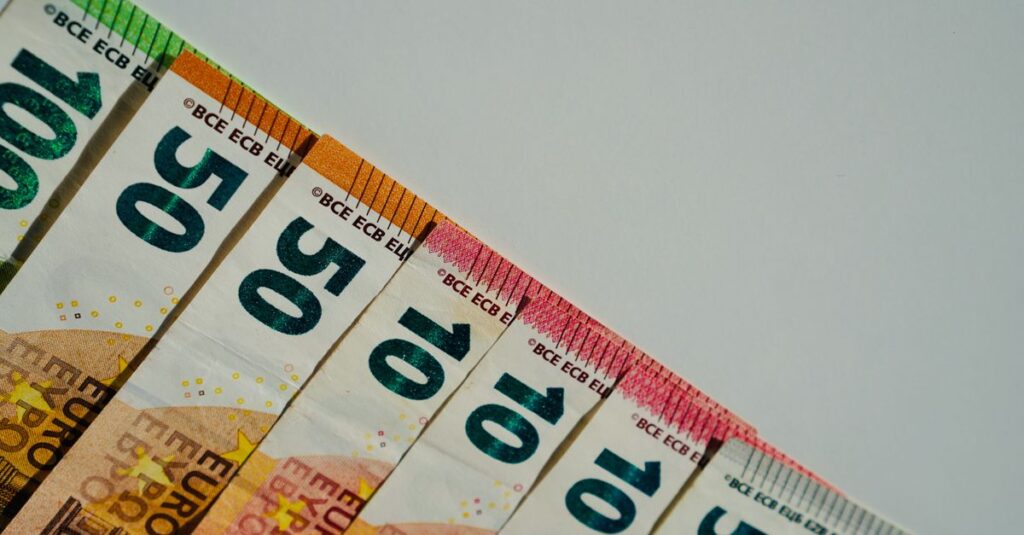
Central banks in Europe, Japan and the United States are tightening within eight days of each other, a rare synchronized stretch that could push global borrowing costs higher just as oil trades above $100 a barrel.
The European Central Bank raised its deposit rate by 25 basis points to 2.50 percent on Thursday, its second hike of the year. Reuters reported in August that governors saw the time had come to act, with inflation near 3 percent and energy prices elevated after months of Middle East disruption. Rising natural gas prices and petrol at the pump were cited as the key pressures, and policymakers saw no need to signal further tightening beyond this move.
Japan follows next week. A Reuters poll of 68 economists found 97 percent expect the Bank of Japan to lift its policy rate from 1.0 to 1.25 percent at the meeting ending September 18. Of those, 24 see a further move to 1.50 percent by October or December, and 89 percent expect at least 1.50 percent by March. Board member Hajime Takata dissented at the July meeting in favor of an immediate hike, a signal of where the board leans.
Oil keeps the pressure on
Energy prices are the thread connecting the decisions. Brent crude crossed $101 a barrel this week after Iran said it was prepared for a more intense conflict, and the IEA warned of a widening supply gap as refining capacity runs stretched. US crude topped $100 on Thursday, and Goldman Sachs called Brent at $120 plausible if shipping through the Strait of Hormuz deteriorates further.
Higher oil feeds directly into the inflation numbers each bank watches. European natural gas has risen sharply alongside crude, and Japan imports nearly all of its energy, so yen weakness and fuel costs land in the same CPI print. Governor Kazuo Ueda has said policymakers will assess whether rising inflation risks warrant a near-term hike, and the Bank of Japan has flagged AI-driven chip demand and the weak yen as upside price risks in its outlook report.
The United States sits between the two. Fed Chair Kevin Warsh has warned inflation is not slowing meaningfully, and futures put a hike at the September 16 meeting at roughly 60 to 74 percent after a hot producer price reading. The probability jumped nearly 10 percentage points within hours of the PPI release, and the policy-sensitive two-year yield moved with it. Money markets see tighter policy as more likely than not, a reversal from the easing cycle most economists expected at the start of the year.
| Central bank | Date | Move |
|---|---|---|
| ECB | Sept 11 | Deposit rate to 2.50% |
| Federal Reserve | Sept 16 | Hike priced at 60-74% |
| Bank of Japan | Sept 17-18 | To 1.25%, 97% of economists |
Bond markets are already moving
Yields have done the tightening for them. The 10-year US Treasury yield nearly touched 5 percent this week even after Treasury Secretary Scott Bessent tripled a buyback program to $6 billion in an attempt to calm the selloff. The buyback failed to stem the move, and yields kept climbing as investors demanded more compensation for inflation and for the wave of corporate borrowing financing the AI buildout.
Japan’s 10-year yield briefly exceeded 3 percent for the first time since 1996 before settling near 2.9 percent. The yen has strengthened sharply on tightening bets, a move that pressures Japanese exporters but helps contain imported inflation. The Nikkei 225 fell 2.09 percent over the week, and the Bank of Japan’s meeting next week will test whether the market has the pace right.
European equities recovered some losses late in the week as oil and yields paused, while US indexes ended mixed, with the Dow down 0.27 percent and the Nasdaq up 0.40 percent. Growth stocks outperformed value by the widest margin in a month, and the energy sector posted the strongest gains in the S&P 500 as crude climbed.
Emerging markets are watching the dollar side of the equation. A Fed hike would extend the dollar’s strength and raise debt-service costs for borrowers that priced bonds during the easing years. India’s rupee has already come under pressure from oil, and central banks in Asia have been drawing down reserves to smooth the moves. The UK faces its own fiscal question, with reports of possible windfall taxes on banks and energy companies weighing on financial shares.
For crypto and risk assets, the sequence matters. Bitcoin closed the week near $77,300 after a golden cross formed on the daily chart, but a September hike would mark a policy turn rather than a continuation of the easing that fueled the summer rally. Traders are watching the Fed decision first, then the Bank of Japan, with the ECB’s move already banked.
None of the three banks is expected to signal much beyond its own meeting. ECB sources told Reuters governors had no appetite to hint at further tightening in September, even as some officials, including Isabel Schnabel, argue rates must rise further. The Bank of Japan may flag a faster pace of hikes in its outlook report, but Governor Ueda has avoided committing to a schedule. In the US, Evercore’s Krishna Guha argues a single hike would have a trivial effect on longer-term yields, which leaves the bond market’s direction mostly in oil’s hands.
The bigger question is whether oil holds above $100. If Hormuz shipping stays disrupted, the inflation impulse compounds and every bank on this list faces a harder choice in October. If the strait reopens, the case for further hikes weakens quickly, and the synchronized tightening of September may prove to be the cycle’s peak. Either way, the next ten days set the tone for the fourth quarter across every asset class that borrows.