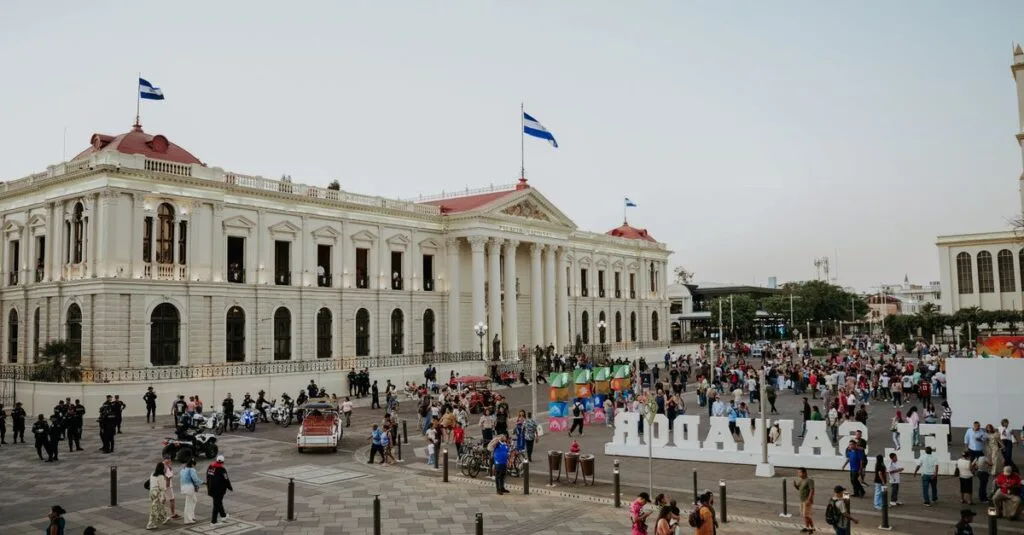
El Salvador’s National Bitcoin Office has rejected any suggestion that the country is swapping bitcoin for stablecoins, calling recent reports “fake news” and confirming the state now has no plans to launch or operate any crypto or stablecoin wallet. The denial comes in the same week the country’s sovereign bitcoin reserve reached 7,790 BTC after adding 30 coins over the past month.
The dispute started with a Bloomberg report published September 29 that framed the launch of Sivar, a remittance and payments app built on Coinbase’s Base network, as El Salvador softening its bitcoin stance five years after the country made the asset legal tender. Within hours, the officials who actually run Salvadoran bitcoin policy were disputing that reading on the Simply Bitcoin livestream. Stacy Herbert, director of the National Bitcoin Office, said the government has no plans to launch, partner with, or manage any bitcoin, crypto or stablecoin wallet, and announced that with the recent sale of Chivo Wallet to a private operator, all state involvement in wallets has officially ended.
What Sivar actually is
The app sits at the center of the confusion, and the details are worth separating from the headlines. Sivar is built by Modveon, a private startup, using Coinbase’s payments infrastructure. Transactions settle in stablecoins on Base, Coinbase’s layer 2 network, and eligible US users can send money to verified Salvadoran recipients for a flat $2 fee regardless of amount. Recipients cash out through a network of more than 1,000 locations in El Salvador. More than 25,000 Salvadorans had signed up before launch.
Herbert said Sivar is a private-sector deal between Modveon and Coinbase touching a government community-development initiative, not a shift in national bitcoin policy. She added that any genuine change in that stance would come from the Bitcoin Office itself. The distinction is between the government’s treasury strategy, which she said remains untouched, and day-to-day payments infrastructure, where the government is comfortable letting the dollar and stablecoins handle what bitcoin’s volatility has made difficult for ordinary Salvadorans.
The government has no plans to launch or operate any bitcoin, crypto or stablecoin wallet. With the sale of Chivo Wallet, all state involvement has officially ended, per the Bitcoin Office.
The scale of the remittance corridor
The reason a payments app carries any weight at all is the size of the corridor. Salvadorans abroad sent roughly $9 billion home in 2025, per Coinbase’s own summary of the market, with about 92 percent of it coming from the United States. An estimated 1.6 million Salvadorans rely on those transfers, and for decades sending money home has meant high fees and long waits. Whether stablecoins will actually lower that far is now the practical question, since a flat $2 fee is among the lowest rates available in the corridor.
The rollout fits a pattern that runs through 2026 in emerging markets. Exchanges are building dollar-denominated apps around stablecoins for users outside the US, treating digital dollars as a store of value and payments rail rather than a speculative asset. El Salvador, whatever its own government says about bitcoin, is the highest-profile example of that push landing in a country that built its crypto reputation on bitcoin specifically.
| Measure | Number |
|---|---|
| Sovereign BTC reserve | 7,790 BTC |
| BTC added in past 30 days | 30 BTC |
| Reserve value, bitcoin below $84,000 | Over $652 million |
| Sivar pre-launch signups | More than 25,000 |
| Sivar flat transfer fee | $2 |
The reserve keeps growing anyway
The part that gets less attention, and is arguably more telling, is what the government is doing with its treasury. Public tracker data shows El Salvador bought one bitcoin a day for close to three years, a program Herbert pointed to directly on the livestream. The country added 30 BTC in the past month, taking the sovereign reserve to 7,790 BTC, worth over $652 million at recent bitcoin prices below $84,000. Whatever the headlines were arguing about, the accumulation side has not slowed.
Earlier disputes over Chivo also carried a misunderstanding, in the government’s account. President Nayib Bukele previously rejected claims that the strategic reserve had been handed to a private operator, saying only Chivo Wallet shares had been transferred, not the nation’s holdings. The latest statement extends that line and closes out the state’s involvement in retail wallets entirely. Officials have also spent years on the educational side, training more than 80,000 civil servants and adding financial literacy curricula in public schools, which they now point to alongside the reserve when defending the strategy.
Why the distinction matters
If you strip away the labels, both sides of this argument are partly right. Bloomberg’s report flagged a real change in how Salvadorans will move money day to day, and that change is running on stablecoins. The Bitcoin Office is right that nothing about the treasury or policy has changed, and the reserve numbers back that up. The argument is really about what “pivot” means, and the answer depends on whether you care about payments or reserves.
What is clear either way is that state involvement in wallets is over. The government has drawn a clean line between a private payments product and national policy, and it is keeping its buying program intact. Operators can watch the country’s evolution separately from the headlines, and the practical test is the same one Satoshi-era commentators never imagined for the first legal-tender country: whether a stablecoin app and a daily bitcoin purchase can coexist without one undermining the other.