
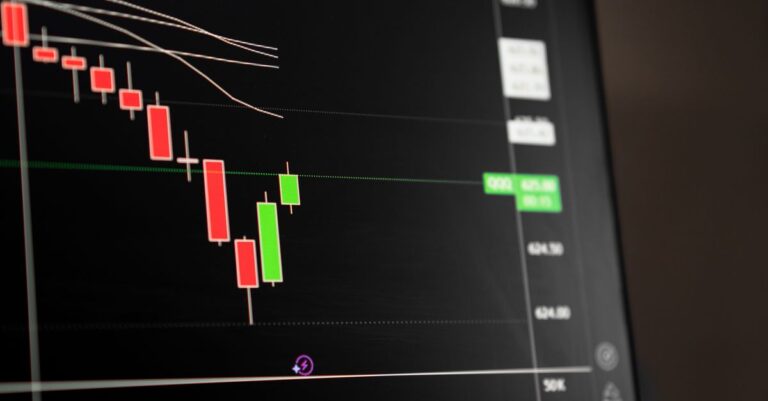
Gold surged to $4,607 per ounce by Friday close, posting its biggest three-day rally since March after the US Treasury announced it would at least double the size of its long-term bond buyback operations. The $188 single-day jump on Wednesday was the catalyst, sending precious metals and mining stocks sharply higher while pushing the dollar to its lowest level in two months.
Treasury Doubles Down on Bond Buybacks
The Treasury Department said on Wednesday it would increase the buyback of notes and bonds to at least $4 billion per operation starting September 9, up from the previous $2 billion level. The decision came as the 30-year Treasury yield hit 5.32%, its highest since 2007, intensifying concerns about the government ability to manage its borrowing costs amid a national debt approaching $40 trillion.
The announcement triggered an immediate market reaction. Gold rose $188.50, or 4.4%, in a single session. Silver jumped 5.8% to $66.89 on Wednesday and continued climbing to $68 by Thursday. Gold mining shares tracked by the GDX and GDXJ funds surged 9-10%, while the US Dollar Index fell against every major currency.
Geopolitical Pressures Stack Up
The bond buyback announcement landed alongside two other developments that reinforced gold safe-haven appeal. Treasury Secretary Scott Bessent said the US would impose the toughest sanctions in history on Iran, with details to follow at a Monday press conference. Meanwhile, the Federal Reserve released minutes from its July 29 meeting showing the committee held rates at 3.75% and offered no clear forward guidance on future moves.
The combination of rising government borrowing costs, escalating US-Iran tensions, and uncertainty about the Fed next steps created what analysts described as a perfect environment for gold. The metal has now recovered sharply from its summer low below $4,000, though it remains roughly 19% below its January record of $5,602.
Market Implications
The rally extends gold year-to-date gain to approximately 37%, making it one of the strongest-performing asset classes of 2026. Silver has roughly doubled since January. Analysts point to structural demand from central banks, expanding gold ETF inflows, and growing institutional interest as supporting factors beyond the immediate catalysts.
The Treasury bond buyback expansion is being interpreted as a signal that Washington is actively working to suppress long-term borrowing costs. With the US national debt approaching $40 trillion, the government ability to finance itself at manageable rates has become a central concern for markets. Gold, which carries no coupon and benefits from declining real yields, is positioned to benefit from any perception that the Treasury is prioritizing debt management over fiscal discipline.
Looking ahead, traders will watch Bessent Monday press conference on Iran sanctions and the August 28 Jackson Hole symposium, where Federal Reserve Chair Kevin Warsh will deliver his first keynote speech. Warsh has signaled he is not constrained by market prices, a phrase analysts interpret as a potential hawkish surprise on interest rates.


discussion