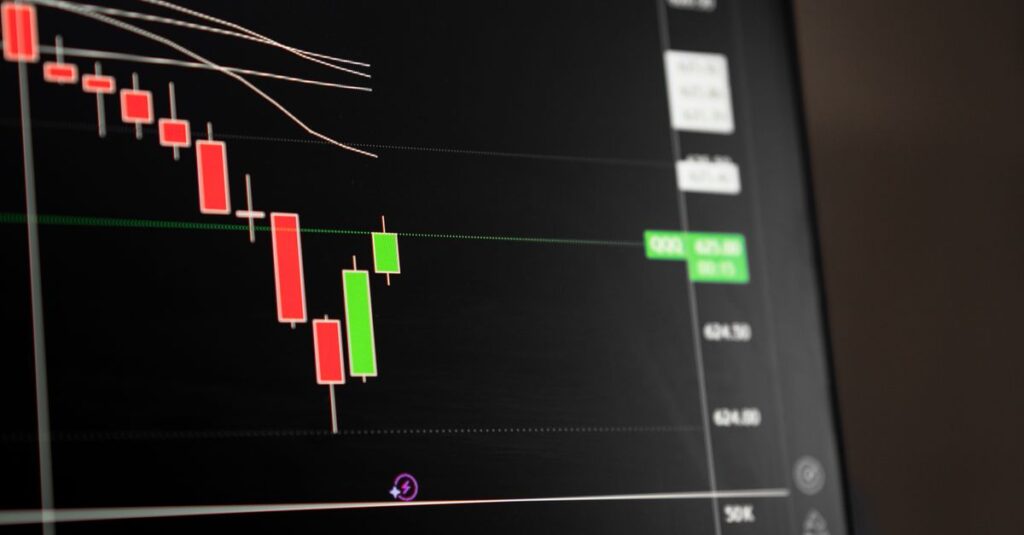
Brent crude traded between $107.75 and $108.38 on Monday after fresh strikes on Saudi Arabia’s East-West pipeline and Gulf shipping, and the European Central Bank answered by raising its key rate to 2.5 percent. The ECB move on September 10 was the first major central bank response to the energy shock, and markets are now pricing a high probability that the Federal Reserve follows with a hike of its own on September 16.
The supply picture keeps deteriorating. A Houthi drone attack took the East-West pipeline offline at the end of last week. The line can carry up to 7 million barrels per day from Persian Gulf fields to Red Sea export terminals, and there is no public timeline for repairs. Reuters reported the loss threatens up to 4 percent of global oil supply, on top of earlier supply losses from the Middle East war and from Russia, particularly in diesel and other refined fuels.
Maritime security added to the pressure. Fresh attacks on shipping lanes and the postponement of diplomatic talks in Oman over the Strait of Hormuz drove energy futures sharply higher at Monday’s open. West Texas Intermediate rose to about $97.26. Diesel, gasoline and jet fuel remain far above pre-war levels, with US diesel up roughly 60 percent since February and hitting a record $6 per gallon last week, according to the Wall Street Journal.
Central banks split on the response
The ECB’s hike reflects a euro area squeezed by energy costs without strong growth. Euro area GDP is expected to expand just 0.9 percent this year, and economists at several banks expect the September move to be the last in the cycle, in a split with market pricing that sees more. “The Strait of Hormuz has become the swing factor for the ECB’s future decisions,” one sell-side note argued ahead of the meeting.
The Bank of England meets Thursday and is expected to hold at 3.75 percent for a sixth straight meeting, with UK inflation at 2.9 percent and Brent above $107. The arithmetic is uncomfortable either way: hiking into an energy shock deepens the slowdown, while holding lets imported energy feed into wage demands. Citi and Goldman Sachs dropped their UK hold calls on Monday, forecasting BoE hikes in November and possibly February as energy costs rebuild inflation.
The Federal Reserve is the week’s decisive test. The FOMC meets September 15 and 16, and rate-hike odds have whipsawed between 55 and 66 percent over the past week. Governor Christopher Waller told Reuters he backed holding rates, saying the safety premium that once made Treasuries the world’s default reserve asset has eroded, and his comments pushed yields lower. Markets on Monday priced roughly an 83 percent chance of a hike, which means a delivered 25 basis point move would be largely priced in and the statement and projections would carry the real information.
The inflation math
The immediate US inflation reading looks tame. Core inflation ran at 2.4 percent in August, and the Wall Street Journal noted little evidence yet of fuel costs spilling into broader prices. OilPrice.com’s analysis argues the spillover is a matter of time: businesses absorb energy costs first, then pass them on once margins compress, and with winter demand approaching there are no viable workarounds left. Strategic reserve releases and alternative pipelines have already been exhausted.
The IMF has already marked down the consequences. Its July update cut 2026 world growth to 3.0 percent from 3.1 percent, warning that a renewed Middle East conflict could extend commodity price volatility, disrupt supply chains and tighten financial conditions. Retail gasoline costs jumped 30 percent in emerging Asia since the war began, twice the increase seen in Latin America. The fund expects normal traffic through Hormuz only by 2027.
Markets delivered the verdict on Monday. Global stocks slipped after a sharp drop in technology shares, with Wall Street opening lower after Amodei, Altman and Musk publicly backed slower AI development. The dollar held firm, and Japanese markets outperformed as the yen weakened on expectations the Bank of Japan will hike this month, a rare case of a central bank moving for domestic reasons rather than oil.
What breaks first
The question for the coming weeks is which pressure gives way: supply, demand or policy. Saudi Arabia’s discovery of 110 million tonnes of uranium-bearing ore, announced this week, changes nothing for near-term crude output. The pipeline outage has no repair date. Houthi advances threaten broader Gulf shipping, and the talks in Oman that might have de-escalated the Hormuz dispute were postponed.
On the demand side, $6 diesel is a tax on freight, farming and construction. If it holds through the winter heating season, recession fears that faded in the spring will return with force, and the central banks now hiking into the shock would face the stagflationary mix they spent two years trying to avoid: rising prices with falling output.
For now, the tape points higher. Brent has extended gains for three straight sessions, OPEC’s basket price fell back to $90.28 as physical differentials adjusted, and refinery margins on distillates remain near records. The Fed decision on Wednesday will set the tone for the dollar and for emerging market borrowers who buy their oil in dollars and borrow in them too.