West Texas Intermediate crude fell nearly 3% to about $97.90 a barrel on Wednesday as Saudi Arabia stepped up work to restore flows through its damaged East-West pipeline, the export route that has kept the oil market on edge since a drone attack last week. The price had failed to hold gains above the $100 mark, according to FXStreet. A smaller-than-expected decline in US crude inventories added to the pressure.
Half capacity back within days
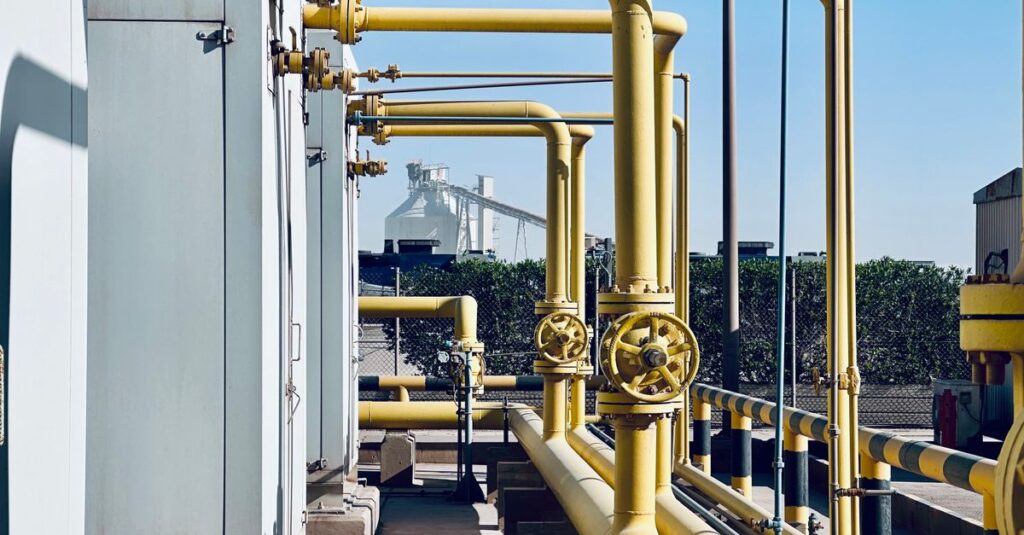
Bloomberg reported, citing people familiar with the matter, that Saudi Aramco is working to bypass the damaged section and bring about half the pipeline’s capacity back online within days. The company aims to restore full operations in around six weeks. The pipeline, which runs 1,200 kilometers from the kingdom’s eastern fields to the Red Sea port of Yanbu, normally moves about seven million barrels a day and carries roughly 70% of Saudi crude exports, letting cargoes bypass the Strait of Hormuz, which Iran closed after the war began.An attack last week cut about 700,000 barrels of daily pumping capacity. No crude cargo has left Yanbu since September 11, according to Argus Media, and Aramco has cancelled or delayed late-September cargoes to several European refiners. Storage tanks at Yanbu have kept exports running, but analysts warned the port could run dry before the pipeline resumes. “There are still doubts as to how long the pipeline will be offline,” said Daniel Hynes, senior commodity strategist at ANZ Bank. “UK officials fear it could be shut for six weeks.”Analysts at ING Bank flagged the same storage risk. “The Saudis have oil in storage tanks at Yanbu, which should sustain exports for several days,” they wrote. “The risk is that port stocks run out before the pipeline resumes.” The Associated Press reported, citing two regional officials, that restoration work could take three to five weeks, a range that brackets the six-week figure Bloomberg’s sources gave for full restoration.
Prices had run far above prewar levels
Brent crude hovered around $107 a barrel on Wednesday, up about 50% from its prewar level, after weeks of escalation in the US-Iran conflict. The International Energy Agency cut its forecast for global oil demand this year, citing the war and the surge in energy prices. WTI had gained 20% for the month before Wednesday’s pullback. Brent briefly touched $110 on Friday last week, its highest level since May, before falling back after the IEA’s demand revision.The repair timeline is the main variable for the market. A partial restart within days would ease the immediate fear of a supply gap, though analysts at ING noted that plenty of uncertainty remains over the extent of the damage. Prices are likely to stay supported until there is clarity on full restoration.
| Metric | Status |
|---|---|
| East-West pipeline capacity | About 7 million bpd |
| Share of Saudi exports using the route | Roughly 70% |
| Capacity lost in the attack | About 700,000 bpd |
| Partial restoration target | Within days, about half |
| Full restoration target | About six weeks |
| Last cargo from Yanbu | September 11 |
Wider fallout across markets
Oil has been the thread pulling through every other market this week. The 10-year Treasury yield touched 5.04% on Tuesday, its highest since 2007, before easing back. The Federal Reserve raised rates a quarter point on Wednesday, its first hike since 2023, with the inflation impulse from energy prices a central reason. European shares rose as the oil rally paused ahead of the decision, and Asian markets started the week nervously for the same reason.US crude inventories jumped unexpectedly in the latest government data, which added to Wednesday’s pressure on prices. Energy stocks were among the day’s worst performers as crude retreated, with Diamondback Energy and other producers on the midday losers list. The bond market has been the most sensitive to the oil story: rising crude feeds inflation expectations, which push long yields higher and tighten financial conditions without the Fed doing anything. That dynamic is part of why the Fed chose to hike rather than wait for more data.The geopolitical picture remains unstable. Yemen’s Iran-aligned Houthi movement has expanded control over Yemen’s west coast and struck oil infrastructure critical to Saudi exports. The New York Times reported the pipeline attack risks what it called a disastrous loss of millions of barrels of export capacity if repairs stall. China’s Foreign Minister Wang Yi said Beijing was willing to safeguard Iran’s interests during talks in Beijing with his Iranian counterpart, Abbas Araghchi, a sign that diplomatic support for Tehran is firming as the conflict drags on. In Washington, the White House backed Defense Secretary Pete Hegseth after a Republican congressman introduced articles of impeachment over the war’s conduct.
What comes next
Traders will watch for confirmation that crude is actually flowing through the bypassed section, which would likely extend Wednesday’s retreat. A failure to restart on the promised timeline would put the focus back on Yanbu storage levels and the risk of a hard cutoff for European refiners who have already lost cargoes. The six-week full-repair estimate means the market is likely to live with elevated risk premiums into November, keeping the pressure on central banks that are already fighting energy-driven inflation.The demand side adds its own uncertainty. The IEA’s cut to its global demand forecast suggests high prices are starting to destroy consumption, which could cap rallies even if supply news turns negative again. For now, the balance between a repairing pipeline and an unfinished war is holding prices in a wide band between $95 and $110 for Brent, and every headline from Riyadh or Tehran moves the ends of that band.