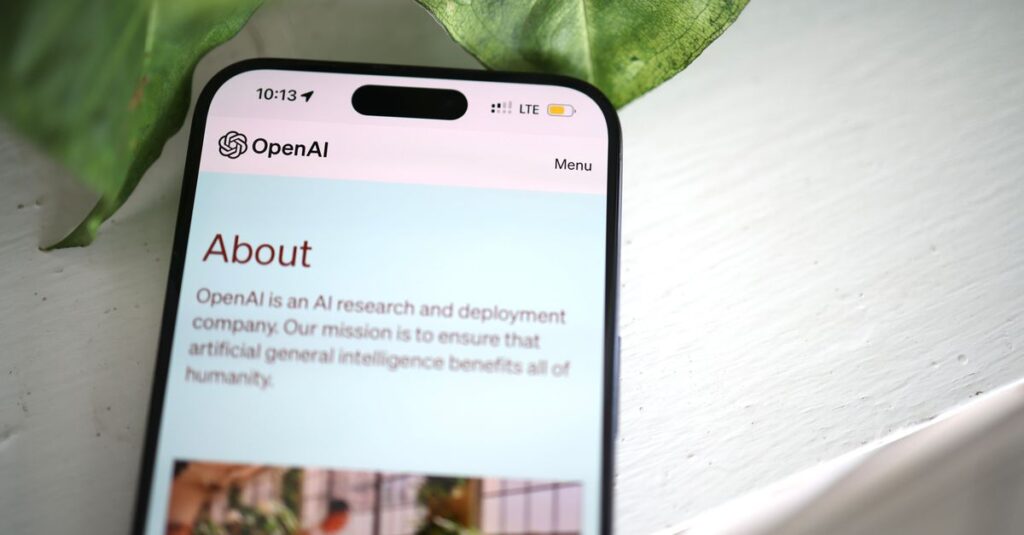
OpenAI is testing a new privacy-preserving safety system called Private Safety Processing with early enterprise customers, days after Anthropic tightened its own data retention policies for business users, escalating a competition over who can offer the most secure AI platform.
The move, reported by Axios on August 19, places OpenAI’s safety checks in a framework designed to process customer data without retaining it, a stark contrast to Anthropic’s recently introduced 30-day data retention requirement for customers using its Fable 5 and Mythos 5 models. The development highlights how enterprise privacy has become a key battleground as AI companies court corporate clients handling sensitive data.
OpenAI’s Zero-Retention Approach
OpenAI’s Private Safety Processing is currently limited to eligible enterprise and API customers, not consumer ChatGPT users. The system runs safety evaluations on user inputs and outputs to detect policy violations, but is designed to discard the underlying data afterward rather than storing it for extended periods.
The initiative addresses a core tension in AI deployment: safety monitoring requires analyzing what users send to models, but customers increasingly demand that their proprietary information not linger in vendor systems. OpenAI’s current consumer ChatGPT is also subject to a court order requiring indefinite retention of conversations due to ongoing litigation, a situation OpenAI’s chief operating officer has called a sweeping and unnecessary demand.
Anthropic Tightens the Other Way
Anthropic’s approach has moved in the opposite direction. The company now requires business customers who want access to its latest models to accept a 30-day data retention period, a policy that applies to Fable 5 and Mythos 5. Anthropic says the retention supports safety monitoring and model improvement, and the requirement does not apply to its API customers, who face a shorter seven-day log retention window.
The contrast creates a clear split for enterprise buyers. OpenAI is promising to minimize how long data is held, while Anthropic is asking for longer retention as a condition of accessing its most capable models. Both companies frame their choices as necessary for maintaining safe and reliable AI systems.
Enterprise Customers Weigh the Tradeoffs
The privacy competition reflects the broader challenge facing AI companies as they scale into regulated industries like finance, healthcare, and legal services. Enterprise clients need assurance that proprietary data, trade secrets, and client information will not be exposed through model training or data breaches.
OpenAI currently offers enterprise customers controls over data retention and encryption at rest and in transit. Anthropic provides similar controls through Claude for Work and Claude Enterprise, including single sign-on, audit logs, and role-based access. Both companies say they do not train their enterprise models on customer data by default.
The differing strategies may ultimately force a market choice. Customers who prioritize minimal data exposure will gravitate toward OpenAI’s zero-retention model, while those who accept some retention in exchange for access to Anthropic’s frontier capabilities may stay with the tighter logging approach. The competition is likely to push both companies, and their rivals, toward more transparent and user-controllable privacy frameworks.