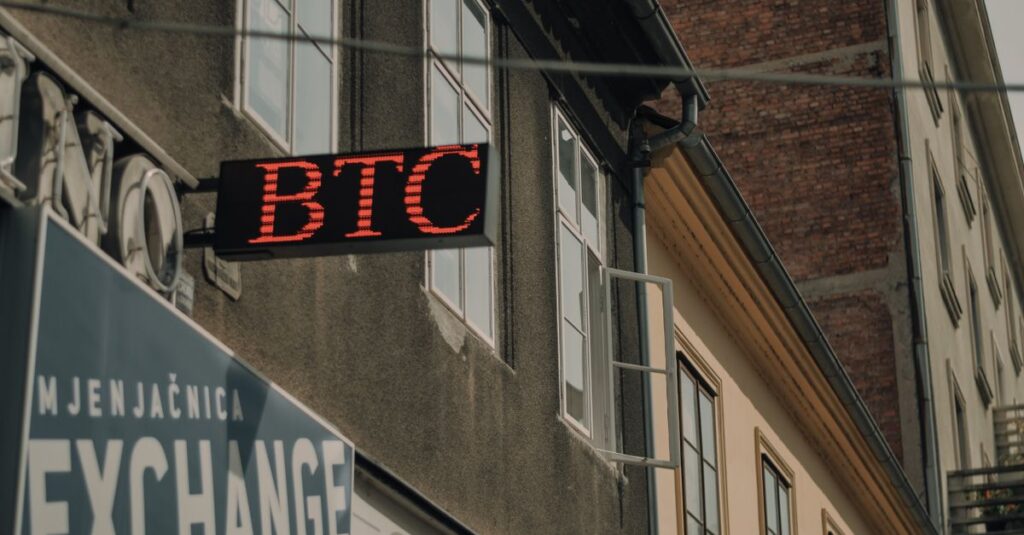
Russia has registered its first cryptocurrency exchange operators and digital custodians under the market framework that took effect on September 1, with state-backed lenders Sberbank and VTB among the first nine firms admitted. The Bank of Russia published the registers on Monday, listing four crypto exchange operators and five digital depositories. Sberbank, the country’s largest bank, took a custodian slot, while VTB appeared in both registers. Russian retail investors now have a legal route to buy bitcoin and ether that did not exist a year ago, through institutions they already bank with.
The lists are short and concentrated in state-backed institutions. The exchange operator register holds VTB, Zefir, Sistema Crypto and T Invest Lab. The custodian register adds Sberbank, Atomyze, Voltari and Cloud Infrastructure alongside VTB. Interfax reported the admissions first, and the central Bank of Russia described them as the first batch admitted under transitional provisions of the law “On Digital Currency and Digital Rights,” whose admission procedures the central bank published on September 24 and which took effect on October 5.
What the two registers actually allow
Exchange operators and custodians do different work under the law. Crypto exchange operators can buy and sell digital currencies in their own name and with their own funds, outside organized trading venues, which makes them a legal counterparty for retail and institutional clients rather than an order-matching exchange in the familiar sense. Digital custodians, which Russian law calls digital depositories, can record and transfer digital currencies and digital rights and grant clients access to the identifier addresses where such assets are recorded. They sit closer to a custody and settlement function than to trading itself.
Sberbank set December 1 as the launch date for crypto trading and custody services through SberBank Online, SberInvestments and SberBusiness, with bitcoin, ether and USDT as the first assets. Central bank officials identified those three by liquidity and trading-history criteria as candidates for retail trading access, which is why the bank built its launch around them. VTB moved on a similar timetable. Deputy CEO Vitaly Sergeichuk said the bank expects to offer digital currency trading through VTB My Investments as early as November, with its own crypto exchange expected to follow in December.
Registering carries obligations. Firms on the registers must follow transaction and accounting rules from the moment their names go up. Transitional provisions give them until September 1, 2027 to bring the rest of their operations in line with the framework, including reserve and risk-management requirements and qualification standards for management and certain officers. The regulator set documentation requirements and procedures for deciding whether a company gets admitted at all, which is one reason nine firms made a list that could stay small for a while.
| Register | Firms admitted | What it enables |
|---|---|---|
| Crypto exchange operators | VTB, Zefir, Sistema Crypto, T Invest Lab | Principal buying and selling of digital currencies outside organized trading venues |
| Digital custodians | Sberbank, VTB, Atomyze, Voltari, Cloud Infrastructure | Recording assets, transfers and client access to crypto addresses |
Crypto as payment stays banned
One boundary held. Cryptocurrencies remain illegal for ordinary goods and services payments inside Russia. The law permits approved use of digital currencies in certain cross-border transactions, giving Russian companies a legal route for crypto settlements in foreign trade where Western banking channels have closed. Federal Law No. 282-FZ, signed August 4, 2026, permits retail and qualified investors to trade eligible digital assets through regulated intermediaries while keeping the domestic payments ban intact.
The compliance side is already specified in places. Customers opening accounts with digital depositories must supply an individual taxpayer identification number, the INN, under identity and transaction monitoring requirements. The central bank separately proposed capping banks’ combined risk from cryptocurrencies and foreign digital instruments at 1 percent of their capital under draft prudential rules. Reporting on turnover and prudential ratios begins in January 2027, and neither asset class will qualify as collateral when banks calculate loss provisions.
Two digital experiments at once
The crypto registers landed the same week the digital ruble hit a milestone. More than 220,000 Russians opened digital ruble accounts in the month after that currency’s September 1 launch, nearly four times the 60,000 accounts the central bank had forecast for the whole year, Deputy Governor Zulfiya Kakhrumanova said on Tuesday. Citizens get a single digital ruble account with a monthly top-up limit of 300,000 rubles and zero fees on transfers, payments and B2B transactions through the end of 2026. Russia’s finance ministry even distributed digital rubles as employee wages for the first time in early October, after a $192,000 budget pilot.
The state runs two parallel experiments: a central bank digital currency for domestic payments and tethered BRICS cross-border plans, plus a regulated private crypto market for investment, connected through the same bank licenses Sberbank and VTB now carry. Reuters ties the accelerated buildout directly to sanctions pressure from the war in Ukraine, which cut Russian banks off from parts of the global financial system and complicated payments with China and India.
Sanctions shape the outside picture too. Japan froze assets of 33 Russian entities on October 6, including crypto-evasion groups and the exchange Garantex, in its expanded sanctions package. The gap between Moscow’s licensed infrastructure and the lists maintained by its sanctions partners is now part of the market structure itself.
Eight weeks from framework to licensed operators, closing in under two months a gap western regulators spent the same stretch still arguing about, though under a fundamentally different political and market structure.