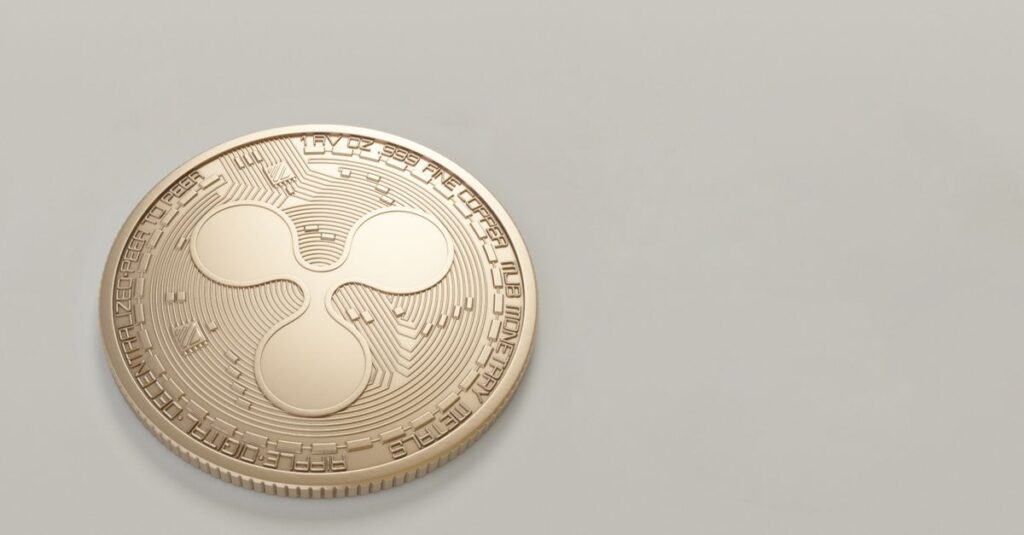
The US Securities and Exchange Commission has approved a Nasdaq Texas rule change that introduces a formal definition of “digital commodity” and names bitcoin, ether, solana and XRP as assets that qualify under it. The order, numbered 34-106268 and dated September 3, was published in the Federal Register on September 9, and it is the first US regulatory filing to place four major crypto assets in the same definitional category by name.
The amendment rewrites Rule 5711(d), the section of the exchange’s rulebook governing Commodity-Based Trust Shares. It allows actively managed crypto strategies on the venue and lets funds hold assets that do not meet existing listing standards for up to 15 percent of net asset value. The SEC cited trusts holding bitcoin, ether, solana and XRP as specific examples of qualifying digital commodities.
What the rule actually changes
The new definition describes a digital commodity as a digital asset that is intrinsically linked to and derives its value from the programmatic operation of a functional crypto system, along with supply and demand, rather than from the expectation of profits from the managerial efforts of others. That language matters because it borrows the Howey test’s distinction between an asset and an investment contract, the line that kept Ripple, Solana and the SEC in court for years and still shapes every altcoin fund filing in the United States.
“The term ‘digital commodity’ means a commodity that is a digital asset and is intrinsically linked to and derives its value from the programmatic operation of a functional crypto system, as well as supply and demand dynamics, rather than from the expectation of profits from the essential managerial efforts of others.” – SEC order 34-106268, Exhibit 5
Until now, only bitcoin and ether had anything close to that treatment in US exchange rules. Adding solana and XRP by name puts four assets under one umbrella for the first time in a securities regulator’s own filing, and it does so through a mechanism that required no act of Congress and no new legislation.
Why altcoin funds are watching
The practical effect is on fund construction. A trust listed under Nasdaq Texas rules can now blend several qualifying digital commodities in one product, and managers can run active strategies instead of passive single-asset tracking. The 15 percent NAV allowance gives room for positions that would otherwise fail listing criteria, which has been a sticking point for tokens with thinner regulatory records or shorter trading histories.
| Asset | Status under rule 5711(d) | Existing US spot ETF |
|---|---|---|
| Bitcoin | Named digital commodity | Yes, since January 2024 |
| Ether | Named digital commodity | Yes, since July 2024 |
| Solana | Named digital commodity | No |
| XRP | Named digital commodity | Yes, launched 2025 |
Korean outlet Digital Today reported that the move is read in institutional circles as groundwork for XRP and solana to sit alongside bitcoin and ether in mixed crypto investment products. Solana still has no US spot ETF, and any such product would need its own approval, but the definitional work is now in place. XRP funds have had a rough stretch on the demand side: a fresh SEC filing showed Grayscale’s Crypto 5 ETF cut its XRP holdings 27 percent over the fiscal year, to 12.3 million tokens from 16.87 million, with fair value down 67 percent. Easier fund construction rules will not fix that on their own, but they give issuers a wider menu to work with.
What it does not do
The SEC was explicit in the order that this is an exchange rulemaking, not a federal classification of solana or XRP as commodities under the Commodity Exchange Act. It does not approve a specific XRP ETF or solana ETF, and separate eligibility procedures still apply to any new listing. The definition also lives only in Nasdaq Texas rules, so NYSE Arca and Cboe BZX would need parallel changes for funds listed on their venues.
The approval landed with accelerated approval, the mechanism the commission uses when it finds a proposal consistent with the Exchange Act without a full comment period. Nasdaq Texas filed the change on August 20 and the order followed two weeks later, a pace that suggests the commission saw little reason to slow it down.
The wider regulatory picture
For the wider market, the filing adds one more data point to a busy regulatory stretch. The CFTC under chairman Michael Selig has said it will build a crypto market framework with existing authority if the CLARITY Act stays stalled in the Senate. Prediction markets put the odds of that bill becoming law this year at around 15 percent. The UK opened its crypto licensing window this month ahead of a full regime in October 2027, and Thailand proposed capping stablecoin transfers at roughly $151,000 a day per operator. The Nasdaq Texas order is narrower than any of those, but it is the first US document to put solana and XRP in the same regulatory category as bitcoin and ether by name.
It also lands in a week when institutional demand for crypto products is split. Ethereum ETFs pulled in $216 million on September 11 while bitcoin funds posted a fourth straight day of outflows, and the Fed’s September 16 decision sits above everything with hike odds near 85 percent. A definitional win for altcoins does not change that math, but it does lower the cost of the next round of product filings whenever the macro picture settles.
Traders will now watch whether fund issuers file multi-asset products under the amended rule. The comment period on the order runs 21 days from Federal Register publication, and any new trust filings would surface in the SEC’s SRO docket. The 15 percent NAV bucket is the detail to watch: it is the first time a US exchange rule has given a fund explicit room to hold tokens outside the blue-chip four, and issuers rarely leave that kind of allowance unused.