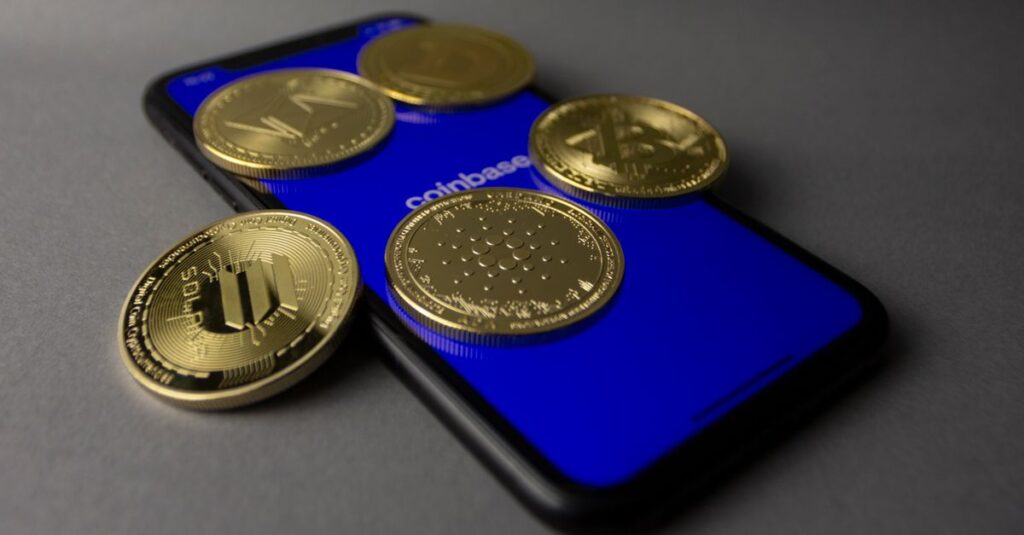
US spot Solana ETFs recorded $60.7 million in net inflows for the week of September 14 to 18, making SOL funds the strongest-performing major crypto ETF category of the week while bitcoin and ether products scrambled to stay positive. The token itself climbed about 13.6% over the same stretch and touched $112, its highest level since February, before easing back toward $108 over the weekend.
Bitwise did most of the work. Its BSOL fund pulled in $58.7 million, roughly 97% of the category’s entire weekly total. Solana ETFs took money in on four of five trading days, with Friday alone bringing $47.6 million, according to The Block’s analysis of SoSoValue data. For a fund category that only launched its spot lineup this year, that is a meaningful run against products with far larger asset bases.
A quiet week for the bigger funds
The contrast with the two larger categories was stark. Bitcoin ETFs finished the week with a net inflow of just $6.2 million, and only because Friday delivered $433 million, $310.7 million of it from Fidelity’s FBTC. Earlier in the week the funds had bled heavily: $450.3 million left on Tuesday and another $296 million on Wednesday, after a Monday inflow of $160 million briefly looked like the start of a recovery. Even with $159.5 million returning on Thursday, the category was still down $426.8 million for the week. Friday’s buying covered that shortfall with little to spare.
Ether funds fared worse. Spot ether ETFs posted a $140 million weekly outflow despite taking in $143.8 million on Friday, snapping a streak of four consecutive positive weeks during which the category had collected $1.94 billion combined. Ether had broken a 12-day winning run earlier in the month, and the last two weeks suggest the institutional appetite that drove the summer rally is cooling rather than pausing.
Solana was not the only altcoin fund attracting attention. Zcash products drew a third of all spot crypto ETF volume during a record week, and Grayscale filed for a 3-for-1 split of its ZCSH fund after ZEC ran to $1,521, levels last seen in 2016, on the back of a public endorsement from a Paradigm co-founder. XRP funds also saw inflows as whales accumulated, with on-chain data showing wallets holding 1 million to 10 million XRP adding roughly 380 million tokens in recent weeks. But among the large-cap majors, the weekly flows pointed clearly at SOL.
Network activity backs the flows
The ETF demand sits on top of real usage numbers. Solana processed more than 5.2 billion non-vote transactions in August, an all-time high and a 23% jump from July’s previous record. The network’s fee revenue also hit a record as validators doubled the pace of inflation cuts, reducing new SOL supply reaching the market each year, though it also means validators earn less for the same work.
Treasury buyers are adding demand of their own. DeFi Development Corp, a Nasdaq-listed SOL holder, has lined up a reported $300 million financing facility for further purchases, and last week proposed a $20 million preferred stock offering to buy more SOL. The Solana Foundation also launched Payment Channels in early September, a payments upgrade the foundation says can handle a million payments per second in benchmarks, part of a push to position the network for consumer payments rather than trading alone.
“Solana ETFs saw positive flows on four of the five trading days, with Friday alone bringing $47.6 million into the funds,” a Binance Square market summary noted, calling SOL the strongest-performing major crypto ETF category of the week.
Where the price goes next
Traders are watching a crowded chart. CleaRank’s model puts SOL at $108.23 as of September 20 with an RSI of 83, deep in overbought territory, though the token still trades well above its 50-day average of $92.21 and is up 26% over thirty days. CoinMarketCap’s analysis flags $107.82 as the level to defend, with a break below on heavy volume opening a path toward the 38.2% Fibonacci level near $104. The firm’s read is that the drop from $112 is a technical pullback inside a longer uptrend rather than a reversal, driven by profit-taking at a ceiling and rotation away from altcoins generally.
The macro backdrop is mixed. The Federal Reserve delivered its first rate hike in three years this week and the Bank of Japan lifted rates to a 31-year high of 1.25%, yet crypto rallied anyway, with bitcoin recovering from a low near $75,000 on September 15 to trade above $81,000 by the weekend. Falling yields and a retreat in the dollar from a seven-week high helped risk assets shake off the tightening, and short squeezes added fuel as bitcoin shorts were flushed out during the recovery.
Skeptics point out that the SOL run has come with leveraged positioning piling up, and that the category’s $60.7 million week is small next to the $91.4 billion in assets held across US spot bitcoin ETFs. One bad week could reverse the entire monthly inflow. The bulls answer with the August transaction record, the supply squeeze from fee burns and inflation cuts, and a category that kept buying while ether funds sold. Both things can be true at once, and the next few weeks of flow data will show which one matters more.
The week ahead offers few scheduled catalysts. Attention shifts to whether the $107.82 support holds, whether Bitwise’s BSOL keeps absorbing nearly all the category’s inflows, a concentration that cuts both ways if sentiment turns, and whether the weekend FX and equity perp volumes on crypto venues keep pointing to risk appetite building rather than fading.