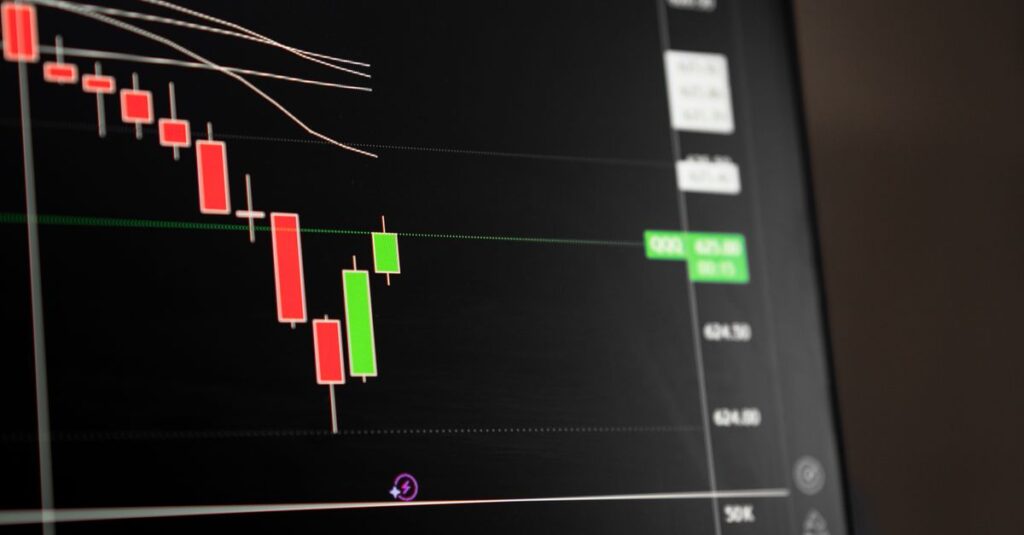
Wall Street rebounded Friday after a sharp sell-off, with the S&P 500 climbing 0.78% as investors digested the Treasury Department decision to double its long-term bond buyback program.
U.S. Treasury Secretary Scott Bessent announced that the department would at least double the size of its long-term debt buybacks from $2 billion to a minimum of $4 billion per operation, covering the 10-to-20-year and 20-to-30-year sectors. The expanded program takes effect September 9 and will remain in place through November 4, 2026.
Markets React to Unprecedented Intervention
The initial announcement on Wednesday sent long-dated Treasury yields sliding as much as 10 basis points, their steepest drop since October 2025. The dollar tumbled 0.8% in response, while the yield curve flattened as investors recalibrated expectations for government debt supply.
However, the relief proved short-lived. By Thursday, yields had resumed their climb as investors questioned whether buybacks alone could address the structural pressures pushing long-term borrowing costs to multiyear highs. The 30-year Treasury yield had touched its highest level in nearly two decades earlier in the week.
We are going to increase the size of the buyback. I would note that it could be more than the 4 billion per issue, Bessent told CNBC on Thursday, signaling the government may go even further depending on market conditions.
Thursday Sell-Off Sparks Friday Recovery
Thursday saw the S&P 500 and Nasdaq fall sharply, dragged lower by a disappointing earnings report from retail bellwether Walmart, resurgent Treasury yields, and surging crude oil prices driven by escalating U.S.-Iran tensions. The sell-off pushed the S&P 500 to its steepest weekly decline since late July.
Friday recovery saw 341 of the S&P 500 holdings advance, led by materials, health care, and financials. The Russell 2000 gained 0.51%, while the Dow Jones Industrial Average rose 0.51%. More than 62% of U.S. stocks moved higher on the day.
Bessent also discussed potential currency interventions involving the Japanese yen and Mexican peso, alongside new fiscal consolidation plans, as part of a broader effort to stabilize markets during the Federal Reserve quiet period ahead of its September meeting.
Analysts noted the Treasury aggressive posture but cautioned that fundamental challenges remain. Higher-for-longer interest rate expectations, driven by persistent inflation and elevated oil prices, continue to weigh on fixed-income markets even as equity investors seek bargains after the week declines.