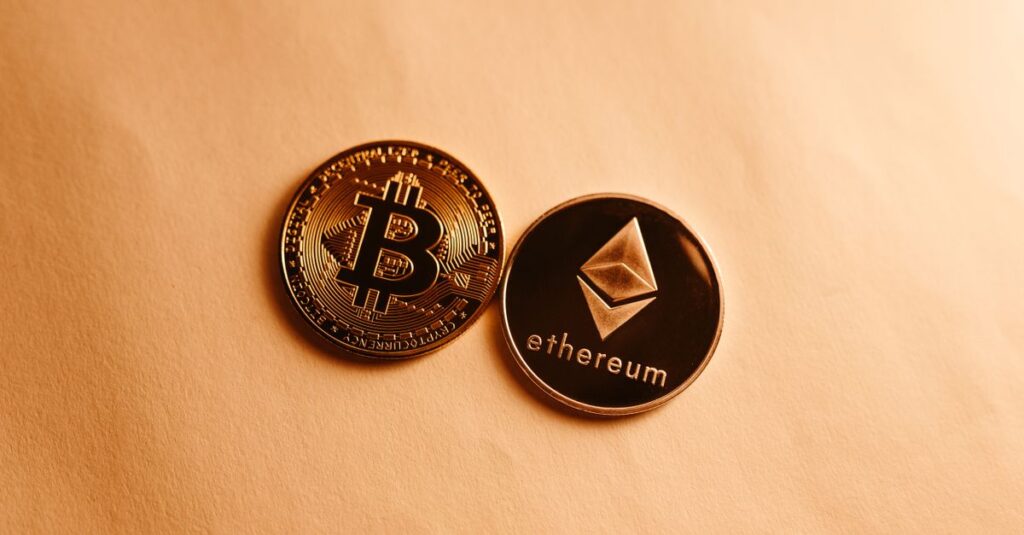
A single investor moved roughly $87 million out of bitcoin and into ethereum on Sunday, swapping more than 1,100 BTC for 34,422 ETH and staking the entire position, as the market-wide rally pushed ethereum past $2,700 for the first time since late January. The move came during a session that liquidated over $750 million in derivatives positions and wiped out more than 136,000 traders, according to CoinMarketCap data.
Ethereum rose more than 6% in 24 hours to clear a key Fibonacci resistance level near $2,672, riding momentum from bitcoin’s break above $85,000. The Fear and Greed Index climbed to 77, deep in greed territory, and the next major resistance band for ETH sits between $2,950 and $3,000. Traders watching the order books saw $650 million of the day’s liquidations come from short positions, meaning bears who bet against the rally were the ones forced out.
What the whale swap signals
The bitcoin-to-ethereum conversion stands out for its size and its structure. Rather than selling into dollars, the wallet rotated directly between the two largest crypto assets and staked the proceeds, which locks the ETH into network validation and earns yield but makes a quick exit harder. On-chain watchers read that as a long-term commitment rather than a trade.
Rotation trades of this size tend to draw attention because they show where large holders see relative value. Bitcoin had just posted a strong run of its own, breaking its September range and forcing out $648 million in shorts in a prior squeeze that sent it to $85,000. Moving $87 million from the winning asset into a relative laggard is a bet that ethereum’s run has further to go, whether on ETF flows, staking demand, or the tokenized-finance buildout now running on its rails.
| Session metric | Figure |
|---|---|
| Total liquidations | $750M+ |
| Traders liquidated | 136,000+ |
| Short-side liquidations | $650M |
| Whale BTC swapped | 1,100+ BTC |
| ETH received and staked | 34,422 ETH |
| Fear and Greed Index | 77 |
Ethereum’s month keeps building
The whale move fits a broader pattern. Ethereum has gained around 29% over the past 30 days and roughly 44% year over year, and its quarterly performance ranks among the best in the asset’s history. ETF flows have helped: bitcoin and ethereum funds together drew about $1.2 billion in weekly inflows, with ethereum products capturing a growing share of that total.
Public companies have added to demand. Firms treating ETH as a reserve asset, drawn to its staking yield in a way bitcoin cannot match, have accumulated steadily through the year. Meanwhile decentralized finance activity on ethereum and its layer-2 networks keeps generating fee revenue, and lending protocols have pushed their newest versions toward record deposit levels, with Aave’s V4 deployment climbing past $900 million in supplies this month.
Not every signal is one-sided. On-chain data earlier in the session pointed to heavy sell-side resistance between $83,000 and $86,000 for bitcoin, and ethereum briefly retreated toward $2,438 in intraday trading amid rate-hike worries and some whale selling before recovering. The Bank of Japan’s decision to lift rates to a 31-year high of 1.25% also keeps global liquidity conditions tighter than they were a year ago, a backdrop that punished crypto the last time Japanese yields rose fast. Ether traded near $2,450 to $2,500 on several venues even as the headline move cleared $2,700 intraday, a reminder that different feeds disagree during volatile sessions.
Liquidations cut both ways
The $750 million in wiped-out positions cuts both ways for the rally’s durability. Short squeezes produce fast, violent moves that can overshoot, and open interest data shows leverage rebuilding quickly after each flush. If prices stall, some of the fresh longs now funding the move become the next liquidation fuel. A market that needs constant new leverage to climb is more fragile than one climbing on spot demand alone.
Still, the composition of Sunday’s session, with the damage concentrated on shorts and spot demand strong enough to absorb the selling, is the healthier version of a liquidation event. When longs get wiped, exchanges sell into falling prices and deepen the drop. When shorts get wiped, forced buying pushes prices up, and the market keeps the gains more often than not.
The staking detail matters for supply too. Staked ETH cannot be sold quickly, so each large conversion into staked positions tightens float. Roughly a quarter of ethereum’s supply already sits in the beacon chain deposit contract, and every whale-sized addition extends that trend. For an asset that just reclaimed a six-month high, reduced circulating supply gives any further demand more leverage over price.
What traders watch next
The near-term test is whether ethereum can hold above the $2,672 level it just reclaimed and whether bitcoin’s $83,000 to $86,000 resistance band finally gives way. A decisive break of either would likely trigger another round of short covering. A rejection would set up the opposite trade, and the leverage now stacked in the market would do the rest.
Derivatives positioning adds another wrinkle. Funding rates on perpetual futures turned positive across major venues after the squeeze, which means longs are now paying shorts to hold their positions. That is normal in an uptrend but it raises the cost of carrying fresh longs, and it historically precedes periods of chop as overleveraged traders get slowly ground down even without a price crash.
Options markets tell a similar story of two-sided risk. Dealers who sold calls into the rally face gamma pressure that can amplify moves toward popular strike prices, and the clusters sit near round numbers above spot. Volatility sellers, meanwhile, are exposed if the rally stalls and implied volatility drifts lower. Neither side can sit still, which keeps intraday ranges wide.
Polymarket odds still assign meaningful probability to ethereum ending September below $2,400, which shows how divided sentiment remains despite the greed readings. Whales swapping into ETH at these levels are taking the other side of that bet, with size, and with their tokens locked where they cannot be quickly unwound. The rest of September will show which read was right.