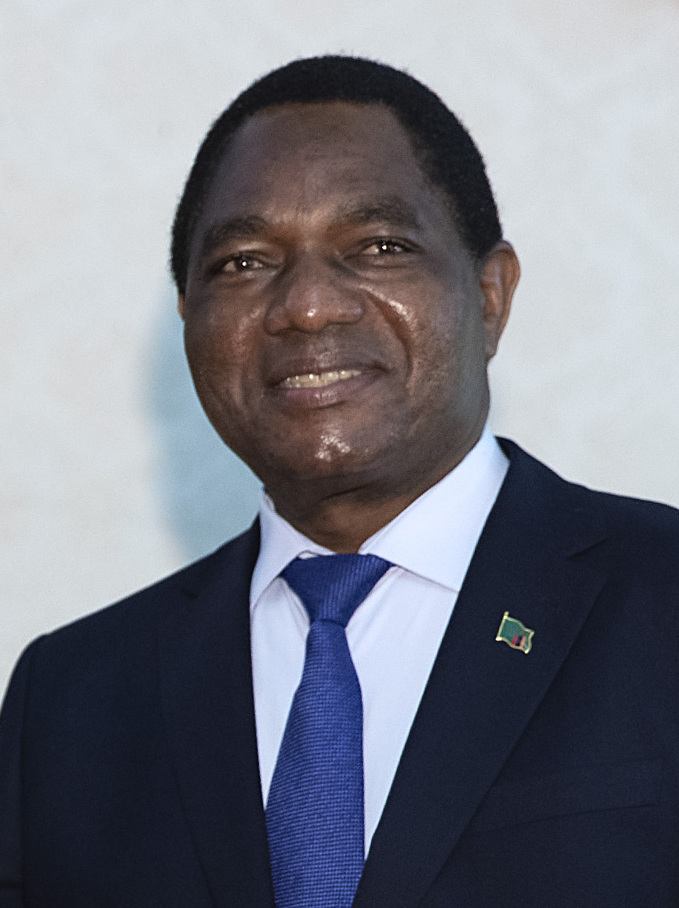
Zambia’s Electoral Commission has declared President Hakainde Hichilema the winner of the country’s 2026 presidential election, granting him a second five-year term with approximately 61.5 percent of the vote.
The announcement came in the early hours of Tuesday after the commission finished tallying results from the August 13 general election. Hichilema’s main challenger, Brian Mundubile of the National Reconciliation Party for Unity and Prosperity, received 38.5 percent of valid votes, trailing by over 1.1 million ballots.
A Decisive Mandate
With 2,965,326 votes to Mundubile’s 1,856,217, Hichilema secured a comfortable margin that avoids any constitutional ambiguity. Turnout stood at 57.23 percent, a decline of more than 13 percentage points from the 2021 election that first brought Hichilema to power.
“We are truly humbled by the trust you have placed in our hands,” Hichilema said in a statement after being declared the winner, calling for national unity and peace. His United Party for National Development also retained its parliamentary majority in concurrent legislative elections.
Opposition Allegations and Concerns
Mundubile, a 55-year-old lawyer making his first presidential bid after opposition parties rallied behind his candidacy, went into hiding following the results, citing alleged threats to his safety. His Tonse Alliance coalition had entered the race fragmented, with several smaller parties running separate candidates.
International observers noted irregularities during the campaign period, including concerns about the composition of the Electoral Commission and court cases filed against opposition figures. Hichilema’s administration was also criticized for restricting media freedoms and failing to deliver economic relief to ordinary Zambians despite macroeconomic improvements.
Economic Record Under Scrutiny
The election was widely seen as a referendum on Hichilema’s economic stewardship since taking office in 2021, when he inherited a country reeling from a sovereign debt default. His government secured an IMF program and attracted over $12 billion in mining sector investment, with the IMF forecasting 5.8 percent GDP growth for 2026.
However, opposition parties argued these gains had not trickled down. More than 70 percent of Zambia’s 21 million people live in poverty according to the World Bank, and the cost of living remains a persistent grievance. Zambia is Africa’s second-largest copper producer after the Democratic Republic of Congo, and its mineral wealth makes it a key player in the global energy transition.
Analysts say Hichilema’s second term will be tested by the need to convert macroeconomic stability into tangible improvements for citizens, while navigating an increasingly fragmented political landscape. The result marks another chapter in Zambia’s democratic tradition of peaceful power transfers, a rarity in the region.