
South Korea’s climate and energy ministry released its 2026 energy transition plan on Sunday, setting a target of deploying 100 GW of renewable energy capacity by 2030 and laying out a detailed roadmap for phasing out coal-fired power generation.
The plan includes sweeping reforms to the country’s electricity tariff structure, power market rules, and grid infrastructure. The government will adjust industrial electricity tariffs starting in the first quarter, raising prices during peak evening hours while lowering rates during the daytime to better match supply and demand patterns.
Nuclear stays in the mix
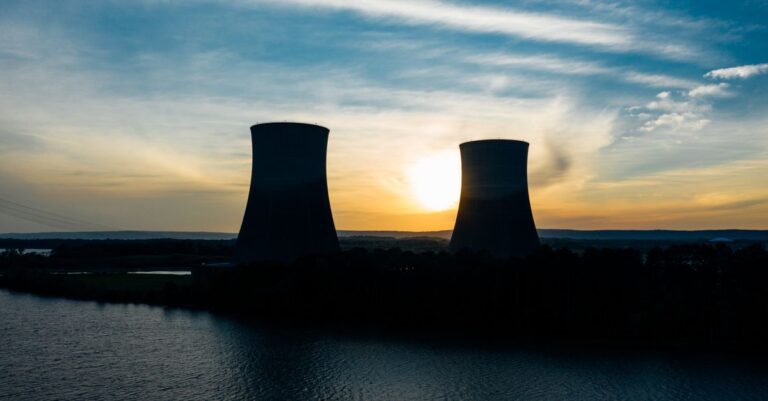
Crucially, the ministry confirmed that new nuclear power projects will proceed as scheduled, with nuclear energy set to play a major role alongside renewables in maintaining a stable power supply. The government said nuclear and renewables together are essential for achieving carbon neutrality without sacrificing energy reliability. Nuclear power accounted for 31 percent of South Korea’s total electricity output between January and November 2025, according to Argus data, making it the single largest generation source.
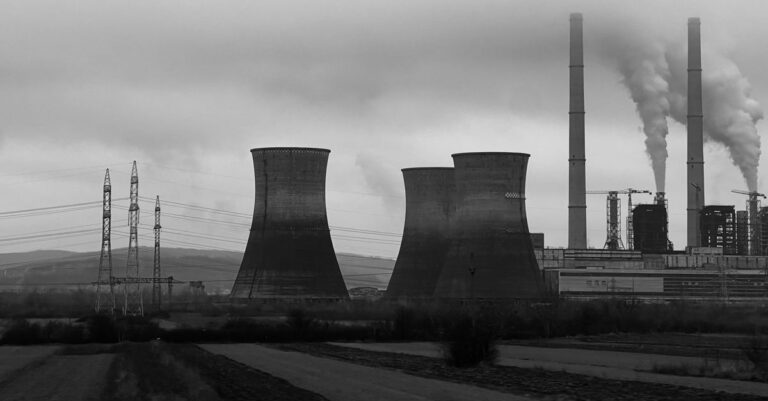
The plan also addresses the future of coal. Coal still represented 29 percent of the country’s power generation in the same period, with gas at 28 percent and renewables at 11 percent. The transition roadmap includes measures to reuse grid connections from retiring coal plants and proposed legislation to support orderly coal plant closures. A just transition framework for affected workers and communities is part of the package.
Grid expansion and market reform
Grid expansion is a central pillar of the strategy. The ministry plans to accelerate transmission infrastructure buildout to accommodate the rapid growth in renewable capacity, particularly offshore wind and solar projects that are often located far from demand centres. A competitive wholesale electricity market will replace the current cost-plus pricing model to attract private investment.
South Korea’s power sector has long been dominated by large, centralised fossil and nuclear plants. The transition plan represents the most ambitious overhaul of the country’s energy system in decades, aiming to cut emissions while keeping the lights on for one of Asia’s most industrialised economies.
The measures will be reflected in the country’s power supply plan covering 2026 through 2040, which sets binding capacity targets and investment pathways for each energy source. Energy analysts said the plan’s dual commitment to both nuclear and renewables puts South Korea in a pragmatic camp that prioritises reliability alongside decarbonisation, distinguishing it from countries pursuing renewables-only strategies.
Sources: Argus Media; South Korea Ministry of Trade, Industry and Energy; CE Energy News; International Energy Agency

discussion