
Pakistan and Iran have made significant progress in high-level talks aimed at ending the six-month US-Israeli war on Iran and reopening the Strait of Hormuz, Pakistan’s interior minister said Tuesday.
Interior Minister Mohsin Naqvi, who accompanied Pakistan army chief Field Marshal Asim Munir to Tehran on Monday, described the discussions as constructive. “The Iranian President candidly shared his government’s perspective, and we had a very constructive exchange on the issues involved,” Naqvi said in a post on X.
The talks between Munir and Iran’s senior leadership, including President Masoud Pezeshkian, focused on three core objectives: measures to prevent further military escalation, the reopening of the Strait of Hormuz, and an expedited path to ending the conflict, the Pakistani military said in a statement.
Diplomatic Window Amid Escalation
The engagement comes at a critical moment. Last week, US President Donald Trump warned of economic consequences against any country that provided “any type of lifeline to Iran” as Washington seeks to isolate Tehran. Iran in turn vowed to shut down all oil exports from the Gulf in retaliation.
Munir spoke with Trump ahead of the Tehran visit, Reuters reported Monday, suggesting the Pakistan army chief may be acting as an intermediary between Washington and Tehran.
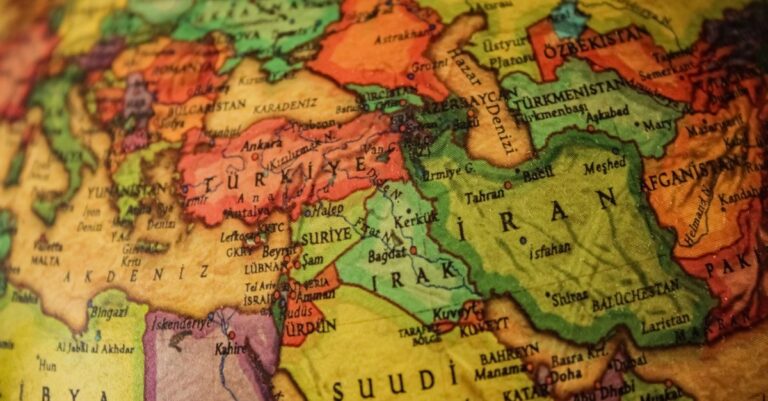
The Strait of Hormuz, through which roughly 20 percent of global oil supplies pass, has been severely disrupted since February when the US and Israel launched joint strikes on Iran. Fewer than 20 vessels crossed the strait over the past weekend, with both US and Iranian restrictions paralyzing the waterway.
Regional Pressure Mounts
Asian refiners have already begun pivoting to alternative supply sources, with purchases of US crude set to nearly double for September. Meanwhile, an oil tanker was struck by an unknown projectile near Ash Shishah, Oman, over the weekend, underscoring the risks to maritime traffic in the region.
Pakistan, which shares a 900-kilometer border with Iran and has maintained diplomatic channels throughout the conflict, has positioned itself as a potential broker. Islamabad has resisted joining the coalition against Tehran while managing its own security concerns along the Balochistan frontier.
The White House and US State Department did not immediately respond to requests for comment on the Pakistan-Iran talks. Iran’s UN mission in New York also declined to comment.

discussion