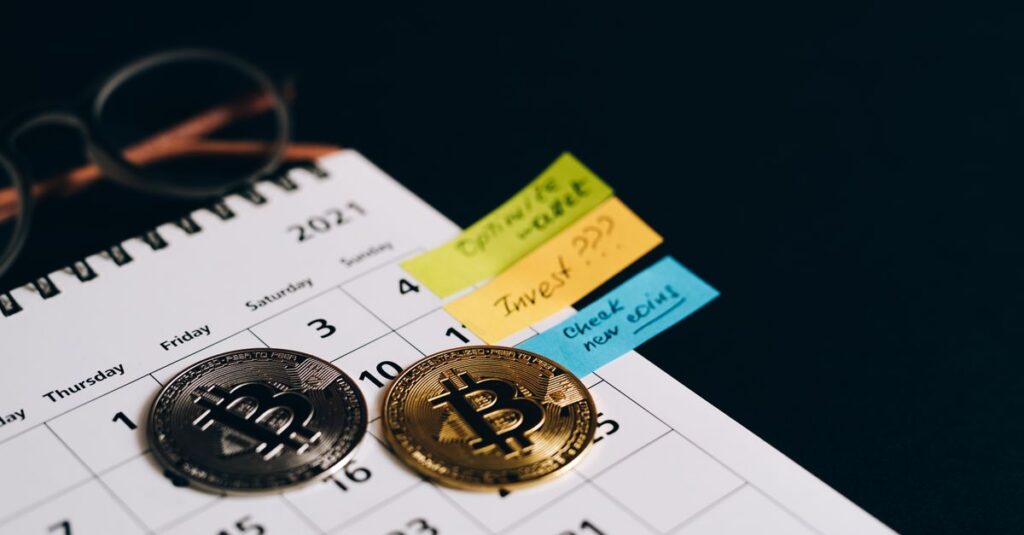
Better Mortgage can reuse the bitcoin that borrowers pledge for its Coinbase-powered home loans, and customers cannot recover their crypto until the main conventional mortgage is fully repaid or refinanced, the company has disclosed.
The details matter because the product, launched with Coinbase as the first Fannie Mae-conforming mortgage secured partly by digital assets, is being marketed as a way to buy a home without selling your bitcoin. The new disclosures show the trade is more one-sided than the marketing suggests. Borrowers give up access to their coins for the life of a 15- or 30-year mortgage, and the lender can put those coins to work in the meantime.
The product works through two loans at closing. The first is a standard conforming mortgage on the home itself, backed by Fannie Mae and underwritten like any conventional loan. The second funds the cash down payment and is secured by the borrower’s pledged bitcoin, plus a second lien on the same property. Both loans are originated by Better, carry the same rate and term, and combine into a single monthly payment. The structure was first announced in March 2026 and went to general availability late last month.
How the collateral works
Bitcoin pledges start at a 250% collateral ratio, meaning a buyer must pledge 2.50 dollars of BTC for each dollar borrowed for the down payment. On Better’s own example, a buyer purchasing a 500,000 dollar home could pledge 250,000 dollars of bitcoin to fund a 100,000 dollar down payment. USDC pledges require only a 125% ratio, reflecting the stablecoin’s peg. At closing, the bitcoin moves from the borrower’s Coinbase account into Better’s custody account on Coinbase Prime.
Coinbase acts only as custodian and technology provider, with no role in extending credit or deciding when collateral is liquidated, the companies told CoinDesk. Liquidation is tied to payment delinquency, not price: the collateral is at risk only after a 60-day payment delinquency, similar to a conforming mortgage. There are no margin calls and no top-ups if the bitcoin price falls, which distinguishes the product sharply from crypto-backed loans on exchanges, where a price drop can trigger forced sales within hours.
The rehypothecation disclosure is the part that has drawn attention. “Better may rehypothecate the pledged bitcoin, provided it keeps equivalent Bitcoin on hand to return the collateral at loan payoff,” the company said. Rehypothecation lets a lender use pledged collateral in its own transactions rather than leaving it untouched in custody. Better did not specify what it does with the coins, only that it must keep an equivalent amount available to return.
The lock-in is the bigger story
Less noticed but arguably more consequential: the bitcoin stays pledged until the conforming mortgage is fully repaid or refinanced, even though the crypto and the second lien secure only the separate down payment loan. A borrower who took a 30-year mortgage could wait three decades to get the coins back, unless they refinance or sell the home. Better said it must pursue the bitcoin first in a default, but standard lending remedies may still apply if selling the collateral leaves a shortfall.
Bitcoin does not help a borrower qualify for the first mortgage. Income and credit rules apply exactly as they would for a conventional loan, with a minimum 680 FICO score among the stated requirements. The pledge only substitutes for cash at the down payment stage, which is the product’s real function: it converts a paperless, taxable asset sale into collateral. Eligible properties cover the usual Fannie Mae range, including single-family homes, condos and townhouses.
| Feature | Bitcoin pledge | USDC pledge |
|---|---|---|
| Collateral per $1 borrowed | $2.50 | $1.25 |
| Liquidation trigger | 60-day delinquency | 60-day delinquency |
| Margin calls | None | None |
| Custody at closing | Coinbase Prime | Coinbase Prime |
Why it exists
The product targets a specific borrower: someone with substantial crypto wealth, thin cash savings, and no appetite for a taxable event. Selling bitcoin to fund a down payment triggers capital gains tax and forfeits future upside. Pledging it avoids both. The companies cite reports that roughly 52 million American adults, about 20%, have owned digital assets, and the median age of first-time homebuyers has hit a record 40 years as prices and rates squeeze younger buyers, up sharply from a median of 32 a decade ago.
Coinbase One members get a rebate equal to 1% of the mortgage value, up to 10,000 dollars, applied as a lender credit against closing costs. The rebate now extends to all of Better’s home financing products, including refinances and home equity lines. “At Coinbase, we believe that Bitcoin should do more than sit in a wallet. It should work for the people who hold it,” said Mark Troianovski, head of consumer and platform partnerships at Coinbase, when the first loan was funded in June.
The risks are the mirror image of the benefits. Pledged bitcoin cannot be sold during a market crash, so a borrower who needs liquidity in a downturn has none. If the crypto price collapses and the borrower defaults, the collateral may not cover the down payment loan, exposing the borrower to deficiency remedies on a loan they took against an asset worth a fraction of its pledge-date value. And rehypothecation adds counterparty risk most borrowers never think about: the coins securing their loan are also, in some unspecified way, working for the lender.
The companies plan to expand eligible collateral over time to tokenized equities, fixed income and other real estate assets, with ETH and SOL named as future candidates. For now, the disclosure is a reminder that borrowing against crypto is not holding crypto. The asset is locked, the lender has options, and the fine print is where the real terms live.