BitMEX, the crypto derivatives exchange that helped invent the perpetual futures contract, shut down its trading operations early Wednesday after 11 years, leaving withdrawals as the only function still running.
Trading, deposits and new positions stopped at 04:00 UTC, the exchange said in a statement on X. Customers can still log in and pull their funds out, and the company urged them to do so. Verified accounts that leave balances sitting on the platform will now pay a monthly fee equal to an annualized 1% of assets or $50, whichever is greater. The fee applies only to KYC-verified accounts with remaining balances, so users who move their funds promptly pay nothing.
A quiet end for a loud pioneer
The closure was a long time coming. BitMEX announced in July that it would end operations by September 23 after a strategic review by its parent company, HDR Global Trading. At the time, the exchange had been losing ground in the very market it created: the perpetual swap, a futures contract with no expiry that has become the dominant instrument in crypto derivatives.
Arthur Hayes, Ben Delo and Samuel Reed founded BitMEX in 2014. The platform introduced the perpetual swap in 2016, and the format spread across the industry within a few years. Binance, Bybit, OKX and a wave of decentralized exchanges built their derivatives businesses on the same design, mostly with deeper liquidity, lower fees and smoother mobile experiences. By the time of the July announcement, BitMEX’s share of global derivatives volume had shrunk to a fraction of what it once was.
BitMEX also carried legal baggage that slowed it down while rivals accelerated. US authorities charged the founders in 2020 over failures to enforce anti-money-laundering rules, and the company paid a $100 million settlement in 2022. Hayes stepped down and later built the trading firm Maelstrom, while BitMEX never regained the market share it held before the case. Delo and Reed also settled with US regulators, and the episode pushed institutional traders toward venues with cleaner regulatory records.
Not a freeze, the company says
The wind-down differs from the collapses that have defined crypto’s worst moments. Customer assets are not locked. The exchange repeated that withdrawals remain available and framed the fee as an incentive to move funds rather than a trap. There is no claims process, no court supervision and no restructuring. Users control their own exit, which is how a solvent wind-down is supposed to look.
BitMEX is not alone. BitMart announced its own shutdown in July after nine years, a decision that sent its BMX exchange token down 58%. Smaller venues have struggled all year to compete with the two dominant forces in derivatives: offshore giants with deep order books and fast-growing onchain platforms such as Hyperliquid, where perpetual volume has climbed steadily through 2026.
The competitive shift is visible in what established names are doing. Kraken’s parent Payward said this week it intends to run perpetual futures for US clients on Hyperliquid’s HIP-3 markets, a sign that the onchain model is now pulling in established names rather than the other way around. The CFTC, meanwhile, has pushed back on CME’s lawsuit over crypto perpetuals, arguing in a court filing that the products sit firmly in its jurisdiction and that the exchange shows no financial harm from their existence.
What the closure means for traders
For anyone still holding balances on BitMEX, the practical steps are simple. Open positions are gone, since new positions stopped with the shutdown. Balances remain accessible through the normal withdrawal flow, and support for withdrawals continues while the wind-down proceeds. The monthly fee starts accruing on verified accounts that do nothing, so inaction now has a price attached. Anyone who held funds on the platform should confirm the withdrawal before assuming the balance is safe indefinitely.
For the wider market, the shutdown closes a chapter rather than opening a crisis. BitMEX’s volume had already migrated elsewhere, and its July announcement gave counterparties months to unwind exposure. Funding rates on other perpetual venues showed no unusual stress around the shutdown, and open interest across major exchanges has been rising alongside bitcoin’s September rally rather than falling.
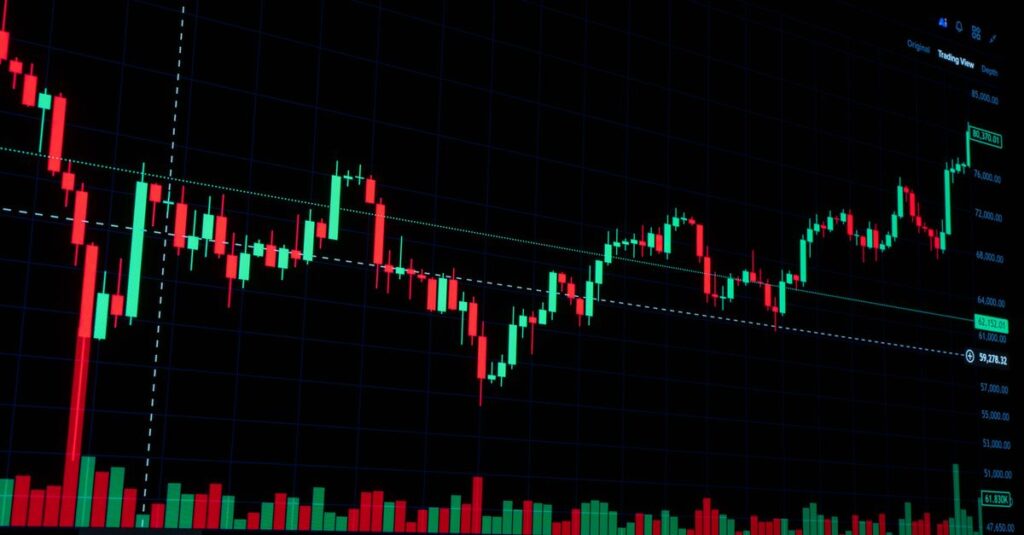
The timing lands in a strong market. Bitcoin trades near $86,000 after clearing that level on heavy ETF inflows earlier this week, and the token’s 10% September gain has put it on track for a three-month winning streak last seen in 2012. Exchange closures in past cycles tended to coincide with stress. This one coincided with a record-setting Nasdaq session and rising institutional demand for crypto exposure, which says something about how the industry’s risk profile has changed.
The legacy question
BitMEX’s lasting contribution is the perpetual swap itself. The contract solved a real problem: traders wanted leveraged exposure without rolling expiring positions, and the funding-rate mechanism that keeps perps tethered to spot prices proved robust enough to carry trillions of dollars in annual volume. Every major crypto venue now runs its own version, and the design has spread beyond crypto into prediction markets and tokenized commodities.
The exchange that taught crypto how to trade with leverage is leaving the stage to the exchanges it taught. That is a rare outcome in this industry: the inventor exiting voluntarily, on schedule, with customer funds reachable and the innovation outliving the company. Most crypto pioneers exit differently. BitMEX, whatever its history, exits with the doors open for anyone who wants to leave.