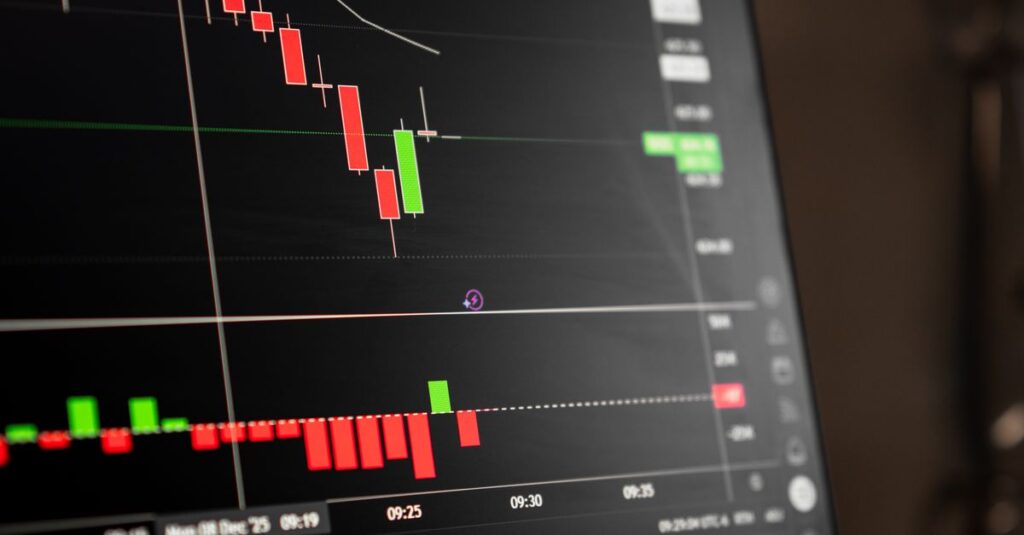
The euro was set for a fifth straight weekly decline against the dollar on Friday, its longest losing streak since early 2025, as investors kept discounting the currency on French fiscal risk and a rate outlook that now favors the dollar. France’s 10-year bond yield touched 4.99 percent during the week, its highest in roughly 24 years, before easing back below 4.9 percent.
The currency fell to $1.1161 on Monday, its lowest level in 17 months, according to Reuters. It ended the week at about $1.119 to $1.124, down roughly half a percent and just above the lows. The move leaves the euro among the worst-performing major currencies of the autumn, and it has happened with relatively little fanfare: euro area growth data has held up, and the European Central Bank has not changed rates. What has moved is the market’s tolerance of French debt.
France carries one of the largest public debt burdens in the eurozone and has struggled to pass durable budget cuts ahead of next year’s presidential election. Political fragmentation in the National Assembly means no plausible coalition can deliver both spending discipline and tax stability through a full budget cycle. Bond investors have responded by demanding higher yields to hold the debt, which raises the government’s own interest bill and makes next year’s arithmetic worse.
“As it stands right now, you have a confluence of factors: you have higher oil prices, you have the issue in France, so it is really tough to say what is moving the market more than the other.”
That assessment came from Eugene Epstein, head of trading and structured products at Moneycorp, speaking to Reuters.
Oil, bonds and the Middle East
Yields across the eurozone climbed toward multi-decade highs during the week as the price of oil stayed elevated on Middle East supply risk. Brent crude spiked above $104 earlier in the week before pulling back after President Donald Trump said Washington would not attack Iran before the Nov. 3 midterm elections and described talks with Tehran as productive. European stocks also recovered on Friday, with the pan-European STOXX 600 adding about 1 percent and erasing its weekly loss.
The relief faded once traders looked at the fiscal picture. French yields stayed close to their highs even with the geopolitical de-escalation, and the gap between French and German borrowing costs, a barometer of how much risk investors attach to the bloc’s second largest economy, remained near territory not seen since the eurozone debt crisis of the early 2010s. Analysts at Bank of America wrote that upward pressure on yields is unlikely to stop without one of three outcomes: higher rates slowing growth enough to cut inflation, higher borrowing costs forcing a fiscal adjustment, or a clear sign inflation is cooling.
| Market | Level | Context |
|---|---|---|
| Euro to dollar | About $1.119 to $1.124 | 17-month low of $1.1161 hit Monday |
| French 10-year yield | Close to 4.99 percent | Highest in 24 years, eased slightly Friday |
| Brent crude | Above $103 | Down from >$104 intraday as Trump rules out Iran strike |
| STOXX 600 | About +1% Friday | Recovered weekly loss, telecoms down 2.9% |
Dollar strength is not just about Europe
The dollar’s own side of the ledger has strengthened rather than weakened. US inflation has stayed above the Federal Reserve’s target, and markets now price an 86 percent chance of at least one 25-basis-point rate hike by the Fed’s December meeting, with a much smaller chance of a hike this month. Treasury yields have climbed alongside euro yields, which supports the dollar on rate differentials as well as on its safe-haven role.
St. Louis Fed President Alberto Musalem added a warning on Thursday, saying more tightening may be needed to bring inflation back to 2 percent and that rates could require adjustment over the next six to nine months. That stance keeps the dollar attractive to yield-seeking money even while global risk appetite is unstable. It also removes the main factor that could have helped the euro, which is a clear sign that US rates have peaked.
The oil shock matters for Europe more than for the United States because the region imports most of its energy. Higher crude feeds directly into eurozone inflation and into the current accounts of energy importers, and it coincides with a period when several governments are already stretched by borrowing costs. This mix puts the ECB in an awkward position: it cannot cut against an inflation problem, and raising rates into a fiscal squeeze would worsen bond pressure in vulnerable sovereigns.
What would move the euro
A durable French budget deal would help, but none is in reach before the election next spring. A lasting ceasefire or a supply resolution in the Middle East would reduce the oil component. A shift in Fed communication, where officials signal fewer hikes than markets currently price, would narrow the rate differential. None of these is imminent, which is why several desks expect the euro to stay weak into December. Traders also note that positioning is not yet extremely short, meaning there is room for the decline to extend without becoming crowded.
For now the Strength of the dollar is being priced against a euro with two problems: the fiscal one in Paris is structural, and the energy one in the Gulf is the mood of the moment. Until at least one of them changes, the currency’s slide has the path of least resistance going down.