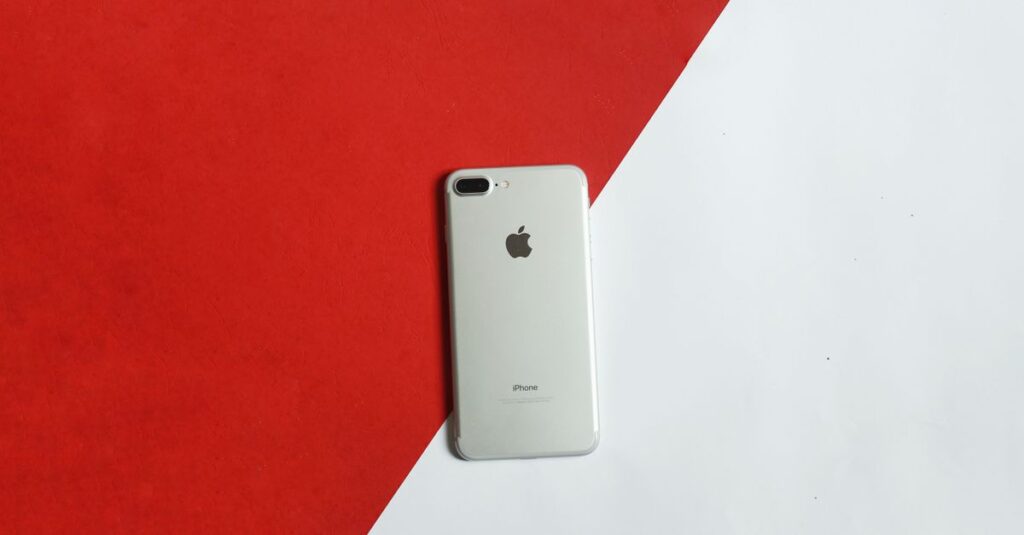
Apple’s iPhone 18 Pro and iPhone 18 Pro Max went on sale Friday in a launch that doubled as the debut of new CEO John Ternus, with early indicators pointing to demand stronger than Apple’s last cycle. The phones carry a $100 price increase driven by memory costs, and pre-order wait times ran about 15% longer than a year earlier.
Buyers lined up at Apple’s Fifth Avenue store in New York and at flagships worldwide as the phones went on sale. Ternus, who took over from Tim Cook, greeted customers at the glass cube on Fifth Avenue in his first major launch as chief executive. Pre-orders opened September 12, and customers ordering on launch day faced waits of at least three weeks for delivery, according to analyst Gene Munster of Deepwater Asset Management.
Survey points to a bigger upgrade cycle
The demand signal that moved analysts most came from Evercore ISI, which surveyed roughly 4,000 US consumers. The firm found 53% plan to buy an iPhone 18 Pro or Pro Max this year, above the 51% historical average after previous launches. Intent for the Pro Max specifically rose to 32% from 29% a year earlier, and Evercore raised its Apple price target from $365 to $380 on the data, implying roughly 13% upside from Thursday’s close.
The survey also showed replacement cycles shortening. Average device usage fell to 23.5 months from 26.5 months last year, and 67% of respondents cited an outdated device as their main reason to upgrade, up sharply from 48% in 2025. Buyers continue to favor higher storage configurations, which carry Apple’s steepest margins. Morgan Stanley separately estimated iPhone 18 Pro and Pro Max shipments up 18% year over year with delivery cycles flat as of September 16.
| Evercore ISI survey metric | 2026 | Prior year |
|---|---|---|
| Plan to buy iPhone 18 Pro or Pro Max | 53% | 51% historical avg. |
| Pro Max purchase intent | 32% | 29% |
| Plan to buy foldable iPhone Duo | 14% | 9% (iPhone Air) |
| Citing outdated device as upgrade reason | 67% | 48% |
| Average device usage cycle | 23.5 months | 26.5 months |
The $100 question
The iPhone 18 Pro starts at $1,199 and the Pro Max at $1,299, both $100 above the iPhone 17 generation. Apple attributed the increase to global memory supply constraints, which have pushed LPDDR5X module prices from about $30 in early 2025 into the $70 range this year as memory makers shift capacity toward data center HBM. The pricing move tested whether demand would absorb the increase, and early evidence suggests it did.
Bank of America analysts noted that carrier incentives have roughly matched the price increase, softening the effective cost for upgrade buyers. In China, the Pro Max commanded reseller markups of 500 to 700 yuan on launch day while the Pro traded near break-even, a sign that demand concentrated at the top of the line. Chinese pre-orders across platforms reportedly exceeded seven million units.
The hardware story is substantial even by Apple’s standards. The A20 Pro is the first 2nm chip in an iPhone, built on TSMC’s newest node, and the Pro line introduces a 48MP Fusion main camera with variable aperture, something no previous iPhone offered. Battery life on the Pro Max is described by Apple as the largest increase ever on the model. A redesigned vapor chamber with roughly three times the surface area of the iPhone 17 Pro’s supports up to 40% higher sustained performance. The phones also carry image-authentication tools aimed at proving photos have not been manipulated.
The foldable waits in the wings
The bigger story may be what has not launched yet. The iPhone Duo, Apple’s first foldable, goes up for pre-order on October 16 and ships October 23. Evercore’s survey put purchase intent at 14%, an improvement on the 9% who said the same about the iPhone Air in 2025, but the firm cautions that foldable demand is hard to measure before buyers can handle the device, and that foldables have historically sold better in China than in the US survey market.
The Duo’s specs are aggressive for a first effort: an internal display 50% larger than the iPhone 18 Pro Max when opened, pricing from $1,999, and the same A20 Pro chip that powers the Pro line. Samsung’s Galaxy Z Fold 8 saw Korean sales rise about 10% in the week after Apple’s unveiling, suggesting the announcement itself stirred the foldable category rather than cannibalizing it. In South Korea the Duo is priced at 3.29 million won, more than 1 million won above the 256GB Galaxy Z Fold 8, a gap that gives Samsung room to compete on price.
What to watch next
The launch lands in a mixed macro environment. Apple shares closed Thursday at $337 before the Evercore upgrade, and the stock has climbed through a year in which AI hardware demand has been the sector’s dominant theme. The iPhone 18 Pro’s variable-aperture camera, Siri AI features and image-authentication tools give Apple a features story to market, but the Evercore data suggests most buyers are upgrading because their phones are old, not because of any single feature.
That pattern favors Apple either way. Shorter replacement cycles and a mix shift toward Pro Max and high-storage configurations lift average selling prices without requiring a breakout hit. The real test comes in October, when the Duo’s pre-order numbers will show whether Apple’s first foldable expands the upgrade wave or splits it. Wall Street’s early read, reflected in Evercore’s target hike, is that this cycle will beat expectations, and launch-day lines and wait times did nothing to argue otherwise.