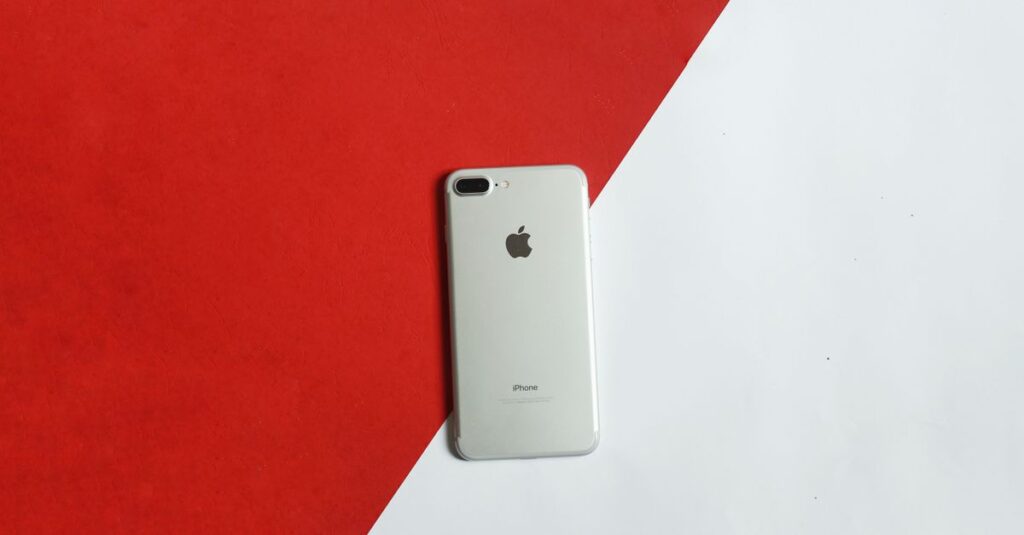
Apple has pushed the iPhone Air 2 from a planned fall 2026 launch to spring 2027, according to a MacRumors report updated September 22, making it the first iPhone in years to skip Apple’s traditional September window. The second-generation Air will now arrive alongside the standard iPhone 18 and iPhone 18e, while the iPhone 18 Pro, Pro Max and Apple’s first foldable stay on track for this fall.
The delay caps a rough twelve months for the thinnest phone Apple has ever shipped. The original iPhone Air launched September 19, 2025 at $999, and within months the reports turned grim: a KeyBanc survey found what the firm called virtually no demand in tracked retail channels, and analyst Ming-Chi Kuo reported suppliers were told to cut production capacity by more than 80%. By early 2026, MacRumors reported the Air was widely believed to be out of production entirely, less than six months after launch.
An estimate circulating in coverage from Android Hire puts lifetime activations for the original Air at roughly 700,000 units, a fraction of what any mainline iPhone typically moves in its first year. Apple has never disclosed an official figure, and the estimate is not company data, but the retail discounting tells its own story. UK pricing fell from £999 to £799 by February 2026, and Best Buy was selling the device around $850 by May, five months in.
Why Apple split the lineup
The move breaks Apple’s single-September-refresh pattern, in place for the better part of two decades, and splits the iPhone 18 family across two seasons. The models that kept their fall dates are the ones that carry the margin and the marketing weight: the two Pro-tier phones and the new foldable, the iPhone Duo, which starts at $1,999 and went up for preorder on October 16 ahead of October 23 availability, in the windows announced at Apple’s September event.
Pushing the standard 18, the budget 18e and the Air 2 to spring clears the fall stage for those flagship launches while giving Apple quiet room to rework the Air line away from the spotlight. It also mirrors a shift Apple has reportedly made with the base iPhone 18 more generally, moving it to a spring cadence going forward rather than treating it as the fall event’s opening act.
There is precedent for the two-window approach, though not at Apple. Samsung has experimented with split launch calendars for its Galaxy line, and Google moved its budget A-series to mid-year slots years ago. What makes Apple’s version notable is that the company is splitting its own flagship family, which means the Pro and standard models will no longer share a keynote, a marketing cycle or a comparison window in reviews.
What went wrong with the Air
The reporting points at design trade-offs rather than a defect. The Air’s headline feature, a chassis thinner than any prior iPhone, came directly out of battery volume, and battery-life criticism followed the device from launch. Reviewers and users also flagged thermal management during sustained loads like gaming and video capture, the kind of issue inherent to extreme thinness rather than to any single unit.
No confirmed specification sheet exists for the Air 2. The direction described in coverage is a device that trades back some thinness for more usable battery life, similar to how Apple previously widened the standard iPhone between generations. Bloomberg reported in June that prototypes, code-named V62, add a second rear camera for ultrawide photography, addressing the single-lens complaint that ranked among the most common criticisms of the original.
Apple has not issued any statement about the Air 2, and no source has framed the delay as an admission of a design flaw. The company’s silence fits its usual handling of underperforming products: quiet roadmap changes, no public post-mortem. Engineers get the time they need, suppliers absorb the swings, and the product line either returns stronger or fades out of the lineup the way the mini and the SE did before it.
The ripple through the industry
The Air’s numbers spooked Apple’s rivals. MacRumors’ May report carried a headline that captured it: iPhone Air’s poor sales spooked rivals into ditching ultra-thin phones. Samsung and other Android makers that had been racing toward thinner flagships reportedly paused or shelved those projects once the supply chain data became public. If Apple cannot sell extreme thinness at $999, the logic went, nobody can.
The foldable now carries the new-form-factor story the Air was meant to tell. The iPhone Duo, with a 7.6-inch inner display, storage up to 2TB and a price $100 above Samsung’s Galaxy Z Fold 8, is positioned as the fall headline hardware bet. That is a meaningful change in emphasis from a year ago, when thinness was the differentiator Apple chose to lead with.
It is also a bet on a category with a mixed record. Foldables have grown steadily in Korea, China and other Asian markets while remaining a rounding error in the US. Apple entering late, at a premium price, with its first attempt at a hinge-based device, is either the moment the category goes mainstream or another reminder that most buyers still prefer a slab. Early preorder reporting will settle some of that when October numbers surface.
What to watch
Spring 2027 is a window, not a date. Reporting suggests Apple engineers are aiming for it but it could slip later into 2027. The Air 2’s eventual spec sheet will also land in a tighter cost environment: UBS has forecast rising silicon wafer prices heading into 2027, which will pressure component choices on any redesigned device.
For buyers, the practical takeaway is simple. If you wanted an ultra-thin iPhone, the current Air remains on sale at heavy discounts while stocks last, and nothing replaces it until at least spring. The Pro models and the Duo cover the fall lineup, and the standard iPhone 18 joins them in the new spring window alongside the Air 2 and the 18e.
For Apple, the episode is a rare public miss in a product category it invented. The company positioned the Air as a new tentpole design, not a niche experiment, and the market’s answer was clear enough that suppliers dismantled production lines within two quarters. The Air 2 will show whether the problem was the execution or the concept.