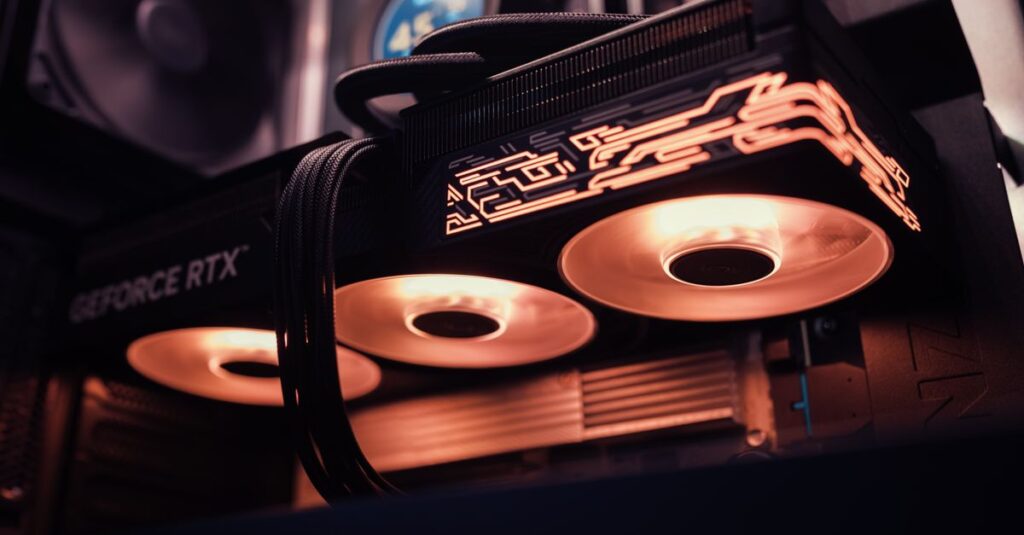
ASUS and MSI sold out their first production runs of Nvidia RTX Spark laptops before a single unit reached a retail shelf, according to reports citing supply chain sources, and both companies have ordered 100,000 additional units for the fall launch window.
The sellouts confirm what the chip’s Computex debut suggested: demand for Nvidia’s first PC processor caught the laptop industry off guard. RTX Spark, announced at Computex 2026 in Taipei, is an Arm-based superchip that pairs a Blackwell GPU with 6,144 CUDA cores to a 20-core Grace CPU, with up to 128GB of unified memory and a petaflop of AI compute. Nvidia positions it as the hardware foundation for running AI agents locally on Windows, a category Microsoft is building its next OS release around, with new security primitives and an OpenShell runtime developed jointly with Nvidia.
Intel and AMD feel it first
Investors read the sellouts as bad news for the incumbents. Intel and AMD shares fell roughly 4.2 percent in premarket trading after Nvidia’s Computex keynote, where the company unveiled the N1X processor alongside partner Microsoft. The chip marks Nvidia’s entry into general-purpose PC processors, a market the two x86 companies have split between them for decades.
Intel tried to counter the narrative at the same event with its Xeon 6+ data center line, built on the 18A node and claiming about 30 percent better per-thread performance against AMD’s Epyc 9965. The flagship 6990E+ reaches 288 cores. The announcement landed, but market attention stayed on the laptop threat. Intel executives have publicly admitted to what they call a healthy dose of paranoia about Nvidia’s PC ambitions, and the company’s next-generation Xeon 7 Diamond Rapids chips remain on track for 2027 on the more advanced 18A-P node, using a 16-channel memory design with native PCIe 6.0 support.
What ships this fall
The first confirmed RTX Spark machines include the Microsoft Surface Laptop Ultra, which Microsoft calls the most powerful device it has ever made, with a 15-inch mini-LED touchscreen at 2,000 nits of peak brightness. ASUS is launching ProArt P14 and P16 creator laptops, and Dell, HP, Lenovo and MSI have models confirmed as well, including the Dell XPS 16, Lenovo Yoga Pro 9N, HP OmniBook X14 and Ultra 16, and the MSI Prestige N16 Flip AI. Nvidia says more than 30 laptops and over 10 desktops are in development across Acer, Asus, Dell, Gigabyte, HP, MSI and Lenovo.
The flagship configuration matches the DGX Spark mini-PC Nvidia released last year: 20 Arm CPU cores, 6,144 GPU cores, and 128GB of LPDDR5X memory with 300GB per second of bandwidth. Cheaper variants with as little as 16GB of RAM are planned for later, though Nvidia has not said when. Laptops are engineered to be as slim as 14 millimeters and as light as 3 pounds, with tandem OLED displays carrying G-SYNC. Nvidia claims the flagship can render a 90GB 3D scene, edit 12K video, or run Indiana Jones and the Great Circle at 100fps at 1440p, all on battery.
The memory bottleneck nobody mentions
There is a catch under the surface. The same memory crunch squeezing AI data centers is squeezing consumer chips, and 128GB of LPDDR5X per laptop is exactly the kind of demand that pushes DRAM prices up. Arm CEO Rene Haas said this week the industry is in an absolutely supply-constrained environment, with memory prices rising and smartphones getting more expensive as a result. Valve raised Steam Deck pricing by up to $300 for the same reason, and MSI has revived DDR4 in one budget gaming laptop to dodge DDR5 costs.
Nvidia has reportedly told contract manufacturers to expect price increases of more than 15 percent on AI server systems shipping in early 2027. If consumer RTX Spark machines carry even part of that increase, the promise of an affordable agentic PC may hold only for the low-memory variants, which undercut the entire selling point of running 120-billion-parameter models locally. Pricing for the launch machines has not been announced, and the absence is telling given how aggressive the spec sheet is.
Software decides this fight, not silicon
Arm laptops have a mixed track record on Windows. Qualcomm’s Copilot+ machines launched in 2024 with strong battery life but persistent game compatibility problems, since most Windows games assume x86. Nvidia claims its graphics and AI stack, plus Microsoft’s improved Prism emulator, will get further than Qualcomm did, and it says popular anti-cheat software will run natively on Windows-on-Arm for the first time. Nvidia is also rebuilding Adobe and Blender for the platform, shipping new inference optimizations that double performance for top agentic models in llama.cpp and deliver 2.6x in vLLM, and adding DLSS 4.5 support across a growing game list that includes Marvel Rivals, Squad and Phantom Blade Zero.
The bet is that AI performance, not gaming, sells these machines. Huang framed it directly at the keynote: for forty years you launched apps, clicked and typed. With RTX Spark and Windows, you ask and the PC does the work. Whether buyers agree will show up in the first sales figures this fall, and in whether ASUS and MSI’s second orders of 100,000 units prove to be prescient or optimistic. For Intel and AMD, the more urgent question is whether Nvidia’s next chip family moves beyond laptops into the desktop and server segments they still control. The premarket selloff suggests investors are not waiting to find out.