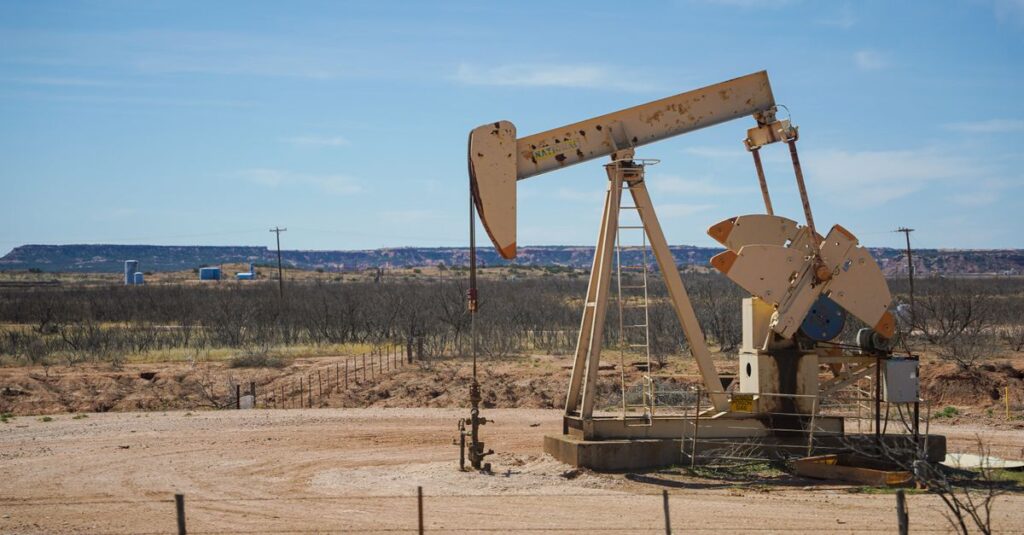
Crude oil prices slipped more than 1 percent on Monday as investors took profits ahead of an expected announcement from US Treasury Secretary Scott Bessent on sweeping new sanctions against Iran.
WTI crude fell $1.20, or 1.4 percent, to $85.86 per barrel, while Brent crude dropped $1.22, or 1.3 percent, to $93.17 per barrel in Asian trading, according to Reuters. The pullback came after weeks of elevated prices driven by the ongoing closure of the Strait of Hormuz and the broader US-Iran conflict. Investors appeared to be de-risking before Bessent reveals the full scope of the new measures at a press conference scheduled for Monday.
Bessent to unveil expanded sanctions
Bessent is expected to detail a new package of Iran-focused restrictions targeting Tehran’s remaining energy export channels. Those channels have already been severely disrupted by the US naval blockade of the Strait of Hormuz, a chokepoint that carried roughly 20 percent of global oil supply before the conflict. The new sanctions could further tighten supply by closing loopholes that have allowed limited Iranian crude to reach Asian buyers through intermediaries.
The announcement would add to an already dense web of restrictions on Iran’s energy sector. Tehran has seen its crude exports collapse since the resumption of hostilities in early July, following the breakdown of a mid-June ceasefire agreement with Washington. The International Energy Agency reported that Gulf oil production remained 8.3 million barrels per day below pre-war levels as of July, with renewed hostilities and maritime disruptions undermining earlier recovery efforts.
Structural tightness limits downside
Despite the immediate pullback, analysts said the broader oil market remained structurally tight. The IEA’s August report cut its 2026 global oil demand forecast to a decline of 1.6 million barrels per day, 510,000 barrels per day steeper than its July estimate, citing the Hormuz closure and elevated fuel prices weighing on consumption. Global oil supply is projected to fall by 4.3 million barrels per day this year.
OPEC+ production rose to 23.9 million barrels per day in July but remained well below capacity, with Saudi Arabia and Iraq still producing millions of barrels per day below their targets due to infrastructure damage and export disruptions. The IEA warned that previously available inventory buffers were rapidly depleting, increasing the urgency of reopening the Strait.
Brent crude has traded in an unusually wide range of nearly $40 per barrel over the past two months, swinging between roughly $85 and $105 as diplomatic developments and military actions shifted sentiment rapidly. The benchmark is still up more than 35 percent compared to a year ago. Markets will be closely watching whether the new sanctions trigger another rally or whether profit-taking continues ahead of the Jackson Hole economic symposium later this week.
Live updates
Iran's rial hits record low of 2.02 million per dollar as Treasury Secretary Bessent unveils sweeping 'Economic D-Day' sanctions package targeting Iran's trade partners, broadening secondary sanctions in what he calls the 'single greatest financial offensive' against an adversary. Iran's FM Araghchi vows Tehran will pivot to China and BRICS structures to resist the pressure.
Bessent has unveiled sweeping 'Economic D-Day' sanctions targeting Iran's foreign trade partners, calling it the 'single greatest financial offensive ever marshalled.' Iran responded by threatening to halt all oil exports from the Persian Gulf and Strait of Hormuz if the economic war continues, sending shockwaves through global energy markets.