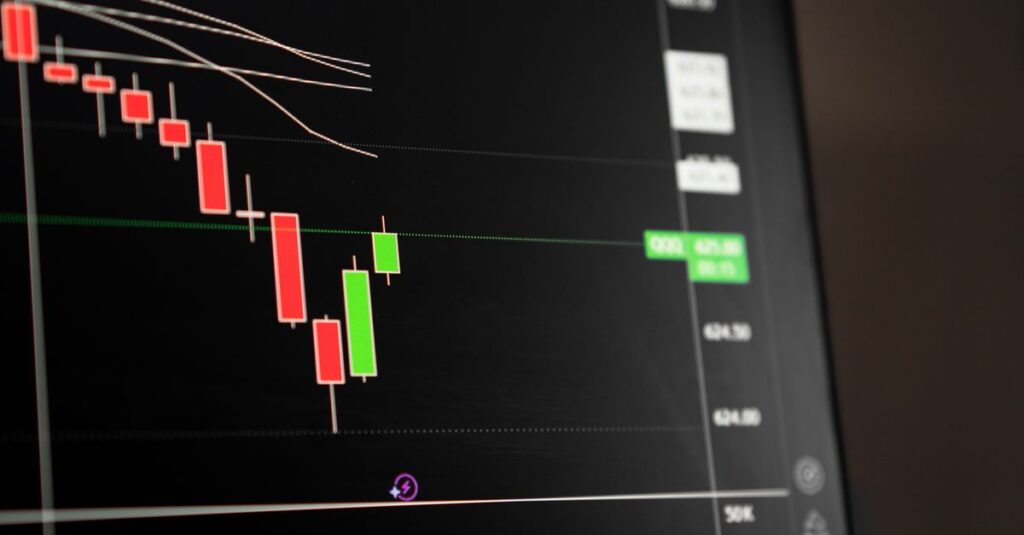
Oil fell for a third straight session on Thursday, with Brent closing down $1.01 at $104.82 a barrel and US West Texas Intermediate shedding 52 cents to settle at $101.91, as supply fears that pushed crude to multi-week highs finally started to unwind. Traders are watching two things: whether Saudi Arabia can actually restart the pipeline that has been strangling supply, and whether the next round of US-Iran diplomacy produces anything more than statements.
The decline marks a sharp reversal from the middle of the month. On September 15, Brent topped $105 after reports that Saudi Arabia had cancelled some crude cargoes following the closure of a key pipeline, and WTI briefly crossed $100 for the first time in the conflict. Transport companies warned of skyrocketing fuel costs, and US consumers were described by economists as taking a one-two punch from oil and the Fed’s rate hike at the same time. Costco went as far as limiting how much motor oil members could buy, a small detail that captures how far the fuel shock has traveled down the supply chain. Trucking associations and freight operators have started passing fuel surcharges to retailers, which means the price at the pump is only part of the inflation story.
Saudi pipeline recovery
The turnaround began with reports that Saudi Arabia was racing to restart the damaged pipeline and had offered additional crude cargoes to customers. Riyadh has spent the war positioning itself as the swing supplier that can partially offset the loss of Hormuz transit, and the market has been trading on whether that promise is credible. The Kingdom’s ability to move crude through Red Sea terminals rather than the Gulf matters more than the headline volume, because it bypasses the strait entirely. Energy Secretary Chris Wright’s appearances on business television this week, along with statements from Interior Secretary Doug Burgum, signal that Washington is treating the supply question as a domestic political issue as much as a market one.
Thursday’s session also reflected a broader risk-on tone. US stocks rallied, recovering most of the week’s losses, as falling oil prices and a calmer bond market lifted sentiment a day after the Federal Reserve raised rates for the first time since 2023. Nasdaq 100 futures pointed higher in late trade, helped by a semiconductor rally, and gold held near $4,350 an ounce as lower yields supported the recovery. UBS, for its part, published a forecast that gold reaches $5,400 by September 2027 despite the hawkish Fed, citing debt risks and central bank demand.
| Contract | Thursday close | Change |
|---|---|---|
| Brent crude | $104.82 | -$1.01 (-0.95%) |
| WTI crude | $101.91 | -$0.52 |
Diplomacy watch
The next move belongs to the mediators. Qatar and Oman have spent weeks trying to broker an agreement on reopening the Strait of Hormuz, so far without progress. Earlier this week the White House said President Trump was reviewing a proposal from Iran that would set aside discussion of the nuclear program until the war ends and Gulf shipping disputes are resolved, and Pakistani mediators said work to bridge the gaps has not halted. Oil futures had settled higher on the day that news broke, a sign of how little the market trusts the process.
Shipping data remains the reality check. Visible commodity vessel transits through the strait fell to as few as five a day at recent lows, against roughly one-fifth of global oil supply that moved through the waterway before the conflict began in late February. A tanker departing the strait was hit by three projectiles this week, with no casualties reported, and the UK Maritime Trade Operations continues to log incidents in the area. Iran’s Revolutionary Guard has said its strikes would further restrict traffic, and fresh Houthi attacks on Saudi territory earlier in the week reminded traders that the war’s peripheral fronts can still reach supply.
What the market is pricing
Analysts describe the current price as the cost of an unresolved war rather than the risk of one. As long as the strait stays effectively closed, every diplomatic headline moves crude by a dollar or two in either direction, and every Saudi operational update moves it more. The demand side is starting to show strain: US crude inventories fell 2.6 million barrels in the week ended August 28, and distillate stocks declined as freight surcharges climb. ING analysts noted that rising tensions clearly put crossings at risk even though some flow through the strait has continued during the stalemate.
The Fed’s rate hike adds a second headwind. Higher rates strengthen the dollar and slow the demand growth that would normally justify triple-digit crude. Several commodity desks expect the risk premium to stay elevated until there is clear evidence that negotiations can produce a lasting resolution and normal Hormuz flows return, which makes the coming week’s mediation rounds the single most important variable for the oil market.
There is also a political economy angle. Trump announced earlier this month that the United States had reached an arrangement with Venezuela giving Washington control over the country’s oil reserves, with proceeds earmarked to refill the Strategic Petroleum Reserve, which sits near a 44-year low. That deal, if it holds, gives the administration a domestic buffer against the Hormuz shock and a talking point for the next round of negotiations. Until then, the market is trading headlines rather than fundamentals, and the three-day retreat could just as easily become a one-day pause.