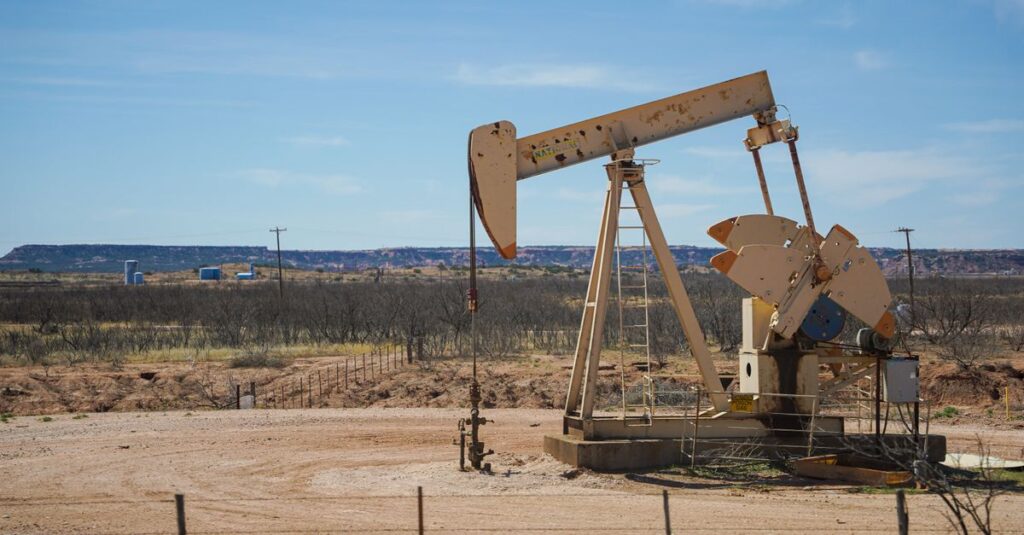
Oil steadied on Tuesday after a two-day slide, with West Texas Intermediate holding near $89 a barrel as rising Persian Gulf exports and a coordinated G7 stockpile release eased supply concerns despite continuing attacks on shipping.
WTI traded at $89.78, up 0.4% on the day, after shedding 3.7% over the previous two sessions, according to Bloomberg and Trading Economics data. Brent crude closed near $100.72, holding just above the $100 mark that has framed the market since the summer escalation.
The stabilization followed signs of physical loosening. Gulf producers are moving larger volumes through the Strait of Hormuz, with more tankers taking the risk of navigating the contested waterway despite still-elevated insurance and security costs. More barrels moving means less scarcity premium, and the market has been repricing that gap since the weekend.
The stockpile release
Traders also digested word of an emergency stockpile release by G7 nations, reported by Reuters on Tuesday. Coordinated releases from strategic reserves are rare and land with force when they come during a price spike, because they signal political unwillingness to tolerate current price levels.
The release targets the same anxiety that attacks have fed. Yemen’s Houthis have continued strikes on shipping lanes near the Red Sea and Gulf approaches, and each incident has historically added dollars to the barrel price. This time the market shrugged: prices slipped on Tuesday despite the attacks, a sign that physical supply growth is winning the argument for now.
The last comparable coordinated release came in 2022, when the United States and its allies drained reserves to blunt the price shock after Russia’s invasion of Ukraine. That episode knocked roughly $15 off Brent within two months, though it also left government stockpiles thin for years afterward, which is part of why traders treat each new release as a signal rather than a cure.
Saudi cuts deepen the price war
Behind the daily moves sits a pricing battle. Saudi Arabia cut its official selling prices for Asian customers to a six-year low this week, a move Reuters columnists described as an unspoken gift to consumers and to the White House, which has pressed producers for cheaper oil through the year.
The cuts matter beyond the headline. Official selling prices set the terms for term contracts across Asia, so a six-year low ripples through refiners’ margins from Japan to India within weeks. It also pressures rival producers of medium and heavy crude, who must discount further to keep market share.
Aramco’s pricing is a leading indicator of how Riyadh reads the demand picture. Producers cut OSPs when they see softening demand or fear losing share, and a six-year low in the largest export market says the kingdom sees loosening conditions rather than scarcity. That read has now been confirmed by the tanker traffic data moving through Hormuz.
| Benchmark | Level Tuesday | Day move | Month | Year over year |
|---|---|---|---|---|
| WTI crude | $89.78 | +0.40% | -3.49% | +45.4% |
| Brent crude | $100.72 | +0.40% | +3.66% | +53.9% |
| Natural gas | $3.07 | +0.28% | +5.44% | -12.1% |
| Gold | $3,181.90 | -1.20% | – | – |
The divergence inside the table tells its own story. Brent still sits 3.7% higher over the month while WTI is down over the same stretch, a spread that reflects the Brent-weighted risk premium from Gulf shipping attacks even as underlying exports climb. Crude remains up more than 45% year over year on both benchmarks, which is the backdrop against which recent weakness registers.
What it means for inflation and the Fed
Cheap oil arrives at a convenient moment for central banks. The Federal Reserve meets October 27-28 with markets now pricing a pause rather than a hike, and energy is one of the inputs policymakers watch most closely. A sustained slide from current levels would feed directly into headline inflation prints, including the CPI report due October 14.
The arithmetic is straightforward. Energy is roughly 6% to 7% of the US consumer price basket. A 10% fall in crude, if passed through to pump prices over the following month, shaves meaningful tenths off headline CPI at a moment when the Fed is deciding whether its September hike was its last.
The relief is not universal. Oil-exporting nations lose revenue with every dollar of discount, and the fiscal breakeven prices for several Gulf producers sit well below current levels, which keeps the pain tolerable for now. US shale operators, whose costs cluster higher, face tighter margins if the slide extends, and rig counts tend to fall two to three months after sustained sub-$80 WTI.
Consumers and import-dependent economies are the clear winners. India and Japan, both heavily exposed to Brent-priced term crude, get an immediate terms-of-trade improvement from every dollar the benchmark loses.
The shipping risk has not gone away
The bearish tilt rests on continued cooperation from tanker owners, and that remains fragile. Higher volumes through Hormuz reflect operators accepting risk at current insurance rates, not a resolution of the underlying tensions. A single significant strike on a loaded tanker could reverse the flow of shipments and reprice the risk premium in hours.
Analysts at Reuters noted the market is effectively betting that supply growth outpaces disruption. That bet has paid for three sessions. The test comes with the next round of export data from the Gulf and any fresh incident in the Red Sea corridor.
Insurance rates for Hormuz transits have eased in recent weeks as traffic volumes rose, according to market participants, which lowers the marginal cost for the next operator deciding whether to make the run. That feedback loop, more traffic leading to cheaper insurance leading to more traffic, is what keeps the bearish case intact until an incident breaks it.
For now, traders have a clear sequence to watch: Wednesday’s inventory reports for confirmation that physical barrels are building, the October 14 CPI print for the inflation read, and the Fed’s October 27-28 meeting, where a pause plus cheaper oil would complete a picture that looked very different when Brent pushed toward $105 in late summer.