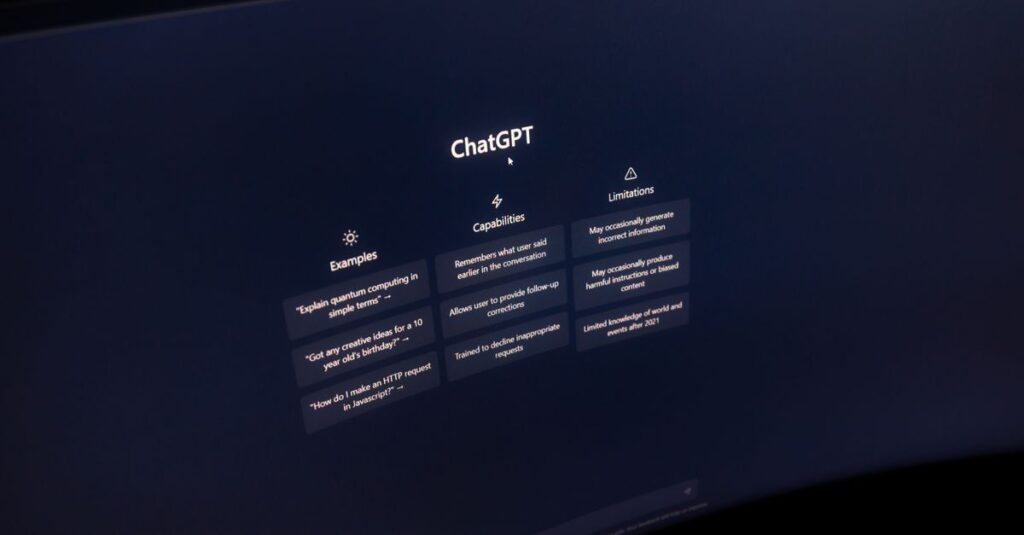
A new study from Pew Research reveals that more than one-third of all web pages published since the launch of ChatGPT in November 2022 now show significant signs of AI authorship or substantial AI editing. The report, released Thursday, used Common Crawl archives and detection technology from Open Pangram to analyze nearly half a million English-language web pages spanning five years. Among pages published after ChatGPT debut, 35% displayed characteristics consistent with AI-generated text. The analysis represents one of the most comprehensive measurements to date of how deeply generative AI has penetrated online content creation.
How the Analysis Worked
Pew collected a random sample of 10,000 web pages from July 2026 and initially found that roughly 10% showed notable signs of AI authorship. However, that figure included older pages predating AI writing tools entirely. When researchers filtered the dataset to include only pages published after ChatGPT release, the share jumped to 35%. The detection relied on Open Pangram technology, which identifies patterns in text characteristic of large language model output.
The findings align with recent data from Cloudflare showing that bot web traffic has overtaken human web traffic for the first time. Together, the two milestones paint a picture of an internet increasingly produced and consumed by automated systems rather than human creators.
Domain-Level Differences
The study uncovered sharp differences across domain types. Websites using .com domains showed AI authorship rates roughly ten times higher than .edu and .gov domains, which hovered around just 1% each. .org domains fell in between at 4.6%. The disparity suggests that commercial content producers have adopted AI writing tools far more aggressively than academic or government institutions, where human oversight and editorial standards remain more stringent.
Pew also tracked linguistic markers that have increased alongside AI adoption, including the frequent use of em dashes, Oxford commas, and formulaic phrasing. These stylistic signatures have become so common in AI-generated text that they now serve as rough indicators of machine authorship at scale.
What we are witnessing is not just AI reading the web, but AI writing the web, the researchers noted, observing that bots now both author and consume much of today online content.
While detection tools like Pangram are not perfect and can misclassify human-written pages, Pew emphasized that the results are directionally significant given the scale of the analysis. The study arrives at a time when policymakers and publishers are grappling with questions about content authenticity, information quality, and the economic impact of AI-generated material flooding search engines and news aggregators.
Industry observers note that the findings could accelerate calls for mandatory AI content labeling, an approach already being pursued in the European Union under the AI Act transparency requirements. Google and other search engines are also under growing pressure to distinguish between human and machine-generated content in their ranking algorithms.