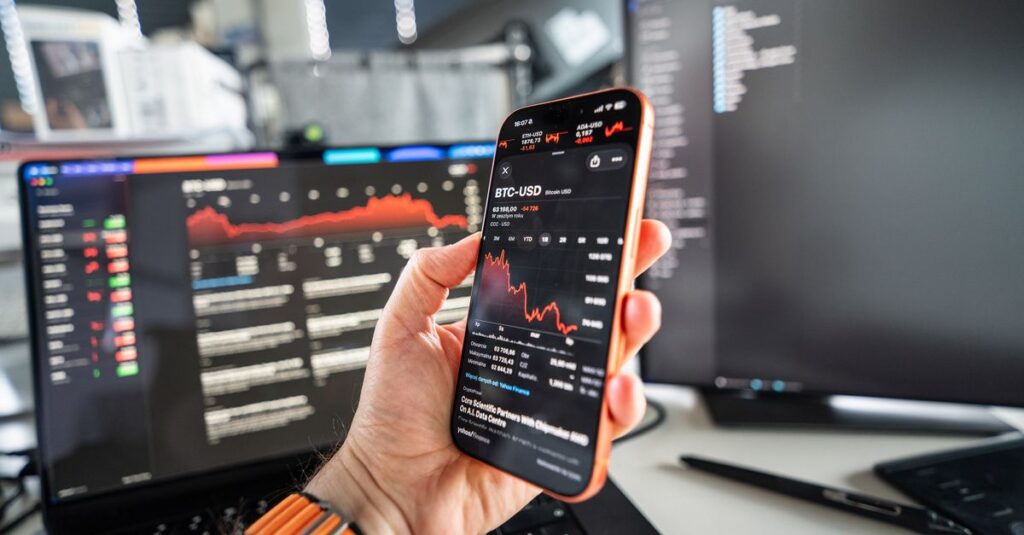
The first creditors’ meeting in the Zondacrypto bankruptcy opens in Tallinn on Thursday, a milestone in one of the largest exchange collapses Europe has seen this year. The Harju County Court declared BB Trade Estonia OÜ bankrupt on August 27 and appointed Margus Lentsius, who had served as interim trustee since late July, as trustee in bankruptcy. The meeting will confirm the trustee and elect a creditors’ committee, and it will be the first public test of how a small insolvency system handles a case many times larger than anything on its docket.
The numbers on the table are stark. According to findings by the bankruptcy administrator reported by Polish media, the company’s assets amount to roughly 167,000 euros while its liabilities exceed 431 million euros. The administrator also concluded that the company may have been permanently insolvent since the end of 2022, when it allegedly lost access to a cold wallet holding around 4,500 bitcoin. The exchange kept operating and accepting customer funds for years afterward.
| Date | Event |
|---|---|
| April 2026 | All three supervisory board members resign |
| May 18, 2026 | Estonian FIU partially suspends licence, bars new deposits |
| June 29, 2026 | FIU revokes the operating licence entirely |
| July 27, 2026 | Court appoints interim trustee, freezes asset disposals |
| August 27, 2026 | Harju County Court declares bankruptcy |
| September 17, 2026 | First creditors’ meeting in Tallinn |
| October 27, 2026 | Deadline for regular claims filing |
Deadlines that bind the creditors
Customers do not recover anything by waiting. Claims must be filed with the trustee in euros, regardless of whether the balance was held in euros, bitcoin or a smaller token, and the regular filing window closes on October 27, two months after publication of the bankruptcy notice in Estonia’s official gazette. A provisional filing deadline of September 11 has already passed; creditors who missed it lost their vote at Thursday’s meeting but can still file regular claims through late October. The provisional deadline was publicized mainly by law firms active in the proceedings, and many retail customers appear to have learned of it late.
Attendance in Tallinn is not required. The meeting serves mainly to confirm Lentsius and elect the creditors’ committee, and rights can be exercised by proxy. Polish authorities have published guidance for affected customers, and the National Prosecutor’s Office has notified creditors as part of its own investigation.
A scandal with political reach
The bankruptcy sits inside a wider Polish political scandal. Prosecutors in Katowice are investigating suspected fraud and money laundering connected to the exchange, once known as BitBay, with estimated losses of at least 350 million zlotys, about 95 million dollars, affecting close to 2,000 customers. The case was merged in July with an investigation into the 2022 disappearance of founder Sylwester Suszek. Prosecutors have secured assets worth more than 100 million zlotys and frozen 4 million euros in a French bank account through EU mutual-recognition procedures.
The scandal reached the Polish parliament. On September 4, the Sejm voted 241-198 to overturn President Karol Nawrocki’s veto of a crypto regulation bill, 25 votes short of the three-fifths majority required. It was the third time Nawrocki had vetoed the legislation, which would have made the Financial Supervision Authority the market regulator and completed Poland’s implementation of the EU’s MiCA framework. Prime Minister Donald Tusk used the debate to read out witness testimony alleging a 2 million zloty payment arrangement linked to former justice minister Zbigniew Ziobro, who left Poland in May and is fighting extradition from the United States. Polish prosecutors have formally requested his extradition on 19 of the 26 charges he faces in a separate case.
Nawrocki has argued the bill would overregulate the sector and push Polish crypto firms abroad. The KNF warned in June that Polish firms could lose the right to offer services as EU deadlines passed, and Poland remains the only EU country without a designated MiCA supervisor.
Estonia’s capacity problem
The case lands on a system built for smaller matters. Estonian courts handle roughly 150 corporate bankruptcies a year, and the country’s total creditor losses across all assetless insolvencies in 2025 came to about 73.5 million euros, less than the suspected shortfall in this single case. Estonia’s own insolvency supervisor has flagged late debtor petitions as a systemic weakness; in 56 of 70 examined cases the petition came too late. BB Trade fits that pattern at a scale the system never planned for.
The licence history compounds the picture. The Estonian Financial Intelligence Unit partially suspended BB Trade’s licence in May 2026, prohibiting the company from accepting new funds or business relationships, and revoked it outright on June 29 after the company failed to comply with a supervisory precept. The licence had been valid since October 2020. By the time of the bankruptcy declaration, the registered office was reportedly deserted, the board unreachable and the staff gone.
What the meeting can and cannot do
For creditors, Thursday’s meeting changes little in practical terms. The legal analysis published by the Skarbiec law firm in Warsaw argues the Estonian proceedings are likely to prove valuable as a source of evidence but financially barren, since the debtor appears to hold no material assets in Estonia and the estate’s most plausible assets are contingent claims it cannot afford to fund. Clawback powers are now vested in the trustee, which means transfers made shortly before the insolvency can in principle be unwound, but pursuing them costs money the estate does not have.
The Katowice criminal investigation, extended until January 17, 2027, remains the track most likely to determine whether anyone recovers money, since it is where the frozen foreign assets sit. The trustee’s findings that insolvency may date back to 2022, and that criminal acts or serious management failures cannot be excluded, will feed into that case without themselves establishing criminal liability.
The meeting is scheduled in Tallinn for September 17. Claims filed by October 27 will be considered in the regular process.