
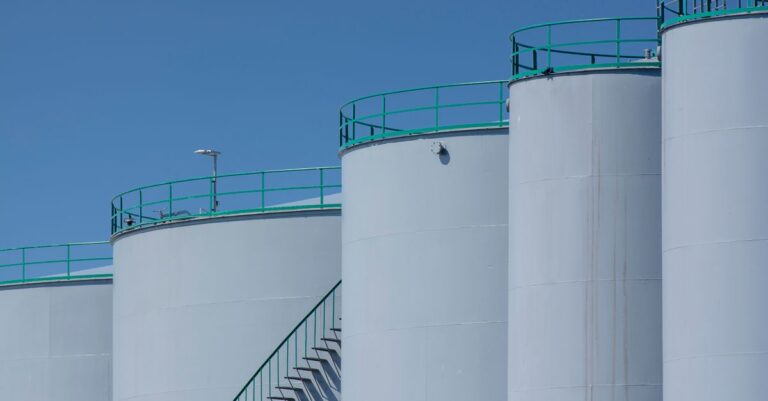
Saudi Aramco has resumed oil loading operations from ports located inside the Strait of Hormuz and is now offering spot heavy crude cargoes to buyers, according to shipping data and trade sources, in a significant shift that challenges Iran’s assertion that the waterway remains closed.
Loading Resumes Despite Iran’s Closure Order
The state oil giant restarted loadings from the strategically vital chokepoint last week and has multiple tankers waiting to load, effectively testing the boundaries of the naval standoff that has roiled global energy markets for months. The move comes even as Iran insists the strait will remain shut to most commercial traffic following months of US-Iran military confrontation.
The development complicates the narrative around the Hormuz crisis. While Iran declared the strait closed in June after US strikes on its coastal infrastructure, a growing body of evidence suggests that traffic through the 21-mile-wide waterway has never fully stopped. Data from shipping tracker Kpler earlier this week showed that over 80 percent of vessel transits through Hormuz in the past two weeks used a UN-authorized Omani navigation route, bypassing Iranian control.
Spot Cargoes Signal Market Confidence
By offering heavy crude on the spot market rather than through long-term contracts, Aramco appears to be signaling confidence that the loading operations can continue safely. Spot cargoes carry higher commercial risk than committed deliveries, suggesting the kingdom believes it has secured sufficient guarantees for the safety of its vessels and port infrastructure.
The resumption of Hormuz loadings could provide meaningful relief to oil markets that have been strained by months of supply disruption. Brent crude has traded above $90 per barrel for most of August, with the US Energy Information Administration forecasting an average of $85 per barrel for the third quarter. The EIA estimates that Middle East production remains about 8.3 million barrels per day below pre-conflict levels.
However, the situation remains fluid. Iran’s military leadership has repeatedly warned that any attempt to use the strait without its consent would be treated as a hostile act, raising the risk of renewed confrontation around Aramco’s loading operations.
Sources: Reuters; shipping data from Kpler; US Energy Information Administration; Financial Times
discussion