
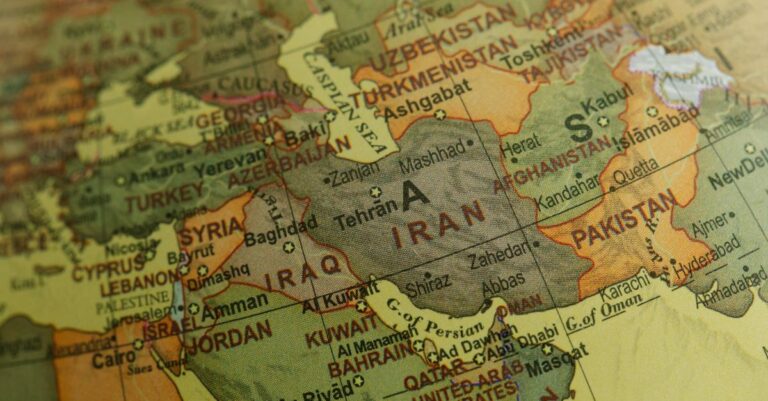
The United States military has secretly established a shipping corridor through the Strait of Hormuz to transport millions of barrels of oil each day from Gulf allies, U.S. officials revealed, even as a naval blockade continues to prevent vessels from entering or leaving Iranian ports.
The operation, which has been running for several weeks, allows empty tankers to enter the Gulf from the Arabian Sea through the strait, collect oil from the UAE, Bahrain, and Kuwait, and then exit safely. It represents a significant military effort to maintain energy flows from Gulf allies while simultaneously squeezing Iran’s economy through the blockade.
60 Vessels Blocked From Iranian Ports
U.S. Central Command reported that the naval blockade has now prevented 60 vessels from entering or leaving Iranian ports since it was restarted on July 14. The operation redirected one additional ship yesterday, bringing the total to the milestone figure. The blockade is a key component of President Trump’s campaign of “maximum pressure” against Tehran.
“We have been controlling the southern lane of the Strait of Hormuz for two months now,” one U.S. official told Axios, adding that “the Islamic Revolutionary Guard Corps can be a nuisance, but they don’t control the strait. We do.”
The Hormuz corridor operation has not been without risk. A New York Times analysis found that at least 15 ships taking the southern route have been struck by Iranian attacks since the start of June, highlighting the continued danger of transiting the waterway despite the U.S. military presence.
Energy Flows and Regional Security
The operation underscores the dual nature of the U.S. military posture in the Gulf region. While forces work to maintain oil exports from allied Gulf states, they simultaneously enforce a blockade designed to cripple Iran’s economy. The strait, through which approximately 20 percent of the world’s oil supply passes, has been a flashpoint since the U.S.-Iran conflict escalated.
Gulf states have been particularly concerned about maintaining energy infrastructure and shipping lanes. Iran has targeted energy facilities across the region in retaliatory strikes, and the U.S. military presence has grown significantly to protect both allied infrastructure and the vital shipping corridor.
The revelation of the secret corridor comes as the broader naval confrontation continues to affect global oil markets. Shipping insurance costs for vessels transiting the region have surged, and some tanker companies have rerouted around the Cape of Good Hope, adding weeks to delivery times and increasing costs for consumers worldwide.
Sources: Axios; CBS News; New York Times; U.S. Central Command
discussion