
Iranian President Masoud Pezeshkian on Sunday defended a memorandum of understanding with the United States as the best way to resolve the stalled war, rejecting calls for escalation and urging diplomacy.
In a speech published by state-run IRNA, Pezeshkian said the Supreme National Security Council agreed the June agreement represented the best possible deal based on dignity, wisdom and national interest.
“There is not a single provision in this agreement that amounts to capitulation,” Pezeshkian said. “The supreme leader sets the policies, and we will follow that path.”
Deadline Passed With No Breakthrough
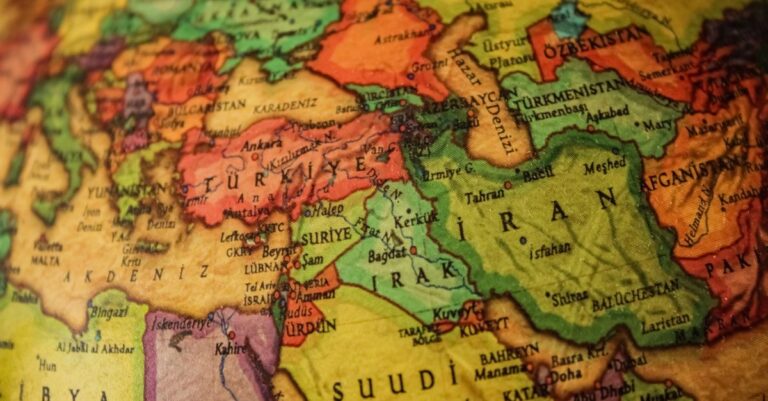
The memorandum, signed by US President Donald Trump in June, set an ambitious 60-day deadline for ending the war and reaching an accord on Iran’s nuclear program. That deadline expired last week with no breakthrough on the core issue of reopening the Strait of Hormuz, vital to global shipping.
Pezeshkian acknowledged Iran’s economy cannot attract investment while the conflict continues in a state he described as “neither war nor peace.” He linked the diplomatic track directly to economic recovery, saying capital and money are “extremely sensitive to risk” and that the country must remove uncertainty to rebuild growth.
Hardliners Push Back
The speech comes as hardliners in Tehran take a more forceful line. Mohsen Rezaei, the new head of Iran’s Supreme National Security Council, warned neighboring countries against joining US economic warfare and threatened to target alternative oil-shipping routes out of the Persian Gulf.
Trump in recent days vowed to impose an “unprecedented” level of economic pressure on Iran, escalating rhetoric even as diplomatic channels remain technically open. Washington has tightened sanctions and threatened secondary penalties on states that facilitate Iranian oil exports.
Nearly six months into the war that began with US-Israeli strikes in late February, Iran’s economy is battered by sanctions and a naval blockade that has crippled its oil exports. The country has struggled to find buyers willing to risk secondary US sanctions.

discussion