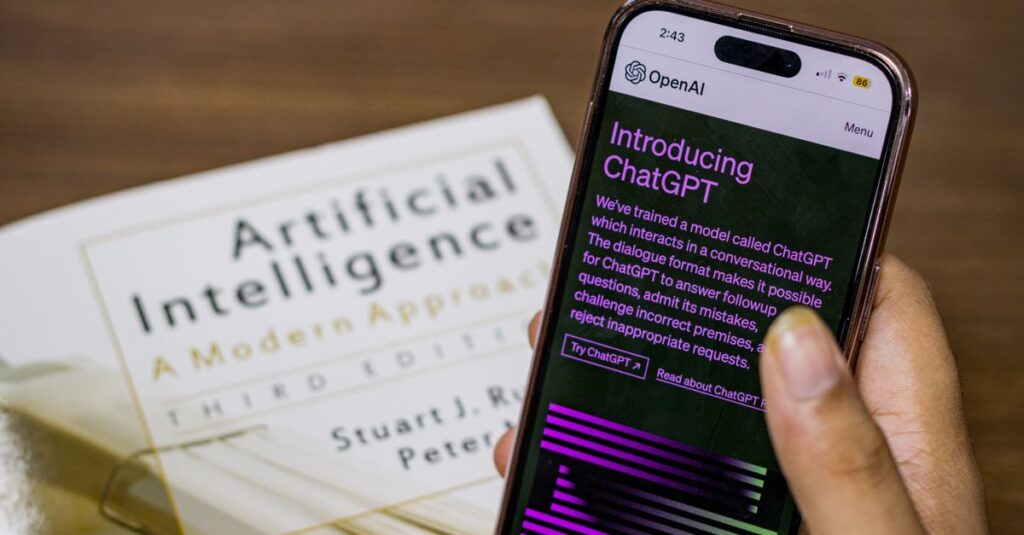
OpenAI has released a new Apple Messages plug-in for ChatGPT, enabling the chatbot to access, read, draft, and even send text messages on behalf of users who opt in to the integration.
The plug-in, announced on August 20, connects users’ iMessage, SMS, and RCS inboxes directly to ChatGPT. It works through both Codex and ChatGPT Work, OpenAI’s productivity-focused tiers, and is available on Apple silicon Macs through the desktop app’s Plugins tab. Users can ask the AI to summarize long conversation threads, draft replies based on recent messages, search for specific details buried in message history, or delete messages.
How the Integration Works
Once installed, the plug-in gives ChatGPT the ability to suggest follow-up messages to contacts based on previous day’s conversations, draft and send messages autonomously, and manage message inboxes at scale. OpenAI demonstrated the feature in a short promotional video showing a user asking the chatbot to suggest replies based on messages received the day before.
The company emphasized that the plug-in runs locally on the user’s machine and “doesn’t create an index of all someone’s messages,” OpenAI told Bloomberg. However, the technical specifics of that claim remain unclear, and OpenAI has not yet provided detailed documentation on how the local processing actually works.
Privacy Concerns Surface Quickly
The feature has already drawn scrutiny from privacy advocates. The core concern centers on the scope of permissions required: users must grant macOS Full Disk Access for the plug-in to function, giving it broad access to local files beyond just the Messages app.
OpenAI encourages users to keep an eye on what ChatGPT is doing and discourages turning on persistent approval, warning that doing so “removes your final chance to review a message before ChatGPT sends it as you.”
The company’s own documentation treats persistent send authority as a potential security risk, noting that message threads constitute untrusted input. If a user grants “Always allow sending to this chat,” ChatGPT can send messages without further confirmation, a capability that could be exploited if an adversary injected malicious content into a conversation thread.
A Growing AI-Messaging Landscape
OpenAI’s plug-in is the latest move in an accelerating race to embed AI assistants directly into messaging platforms. Apple itself has been expanding Siri’s capabilities, and third-party AI agents like Poke have already been approved for Apple Messages for Business. The Apple Messages plug-in goes further by granting AI systems direct control over personal conversations.
The launch also raises broader questions about the boundaries between AI assistants and personal communications. As AI tools become capable of managing inboxes, drafting replies, and sending messages autonomously, users face a fundamental trade-off between convenience and the exposure of their most private digital conversations to cloud-connected AI systems.