
Qualcomm’s double-digit price increase on Snapdragon chips took effect on September 1, raising costs for the phone and PC makers that buy its silicon. The increase covers shipments from that date forward and lands as the industry works through a memory shortage that is already pushing up prices across consumer hardware.
The company told customers in a letter that prices would rise “by a percentage in the double digits,” a figure first reported by Bloomberg in July and later confirmed by Reuters. The increase applies broadly across Snapdragon chips used in Android phones and increasingly in Windows laptops rather than to a single product line. Qualcomm has not published a per-chip price schedule, and phone makers usually keep supplier pricing confidential while they decide how much of an increase to pass on to shoppers.
Devices already manufactured and shipped into retail channels before September 1 are not directly repriced. The increase bites on new orders, which means its effect on store shelves will build through the holiday quarter rather than appear overnight. The last comparable supplier-wide move of this kind, component makers passing memory-driven increases down the chain, arrived in 2017 and 2018, and that cycle eventually showed up as a roughly 10 to 20 percent bump in flagship phone prices across major brands.
Memory costs are the engine
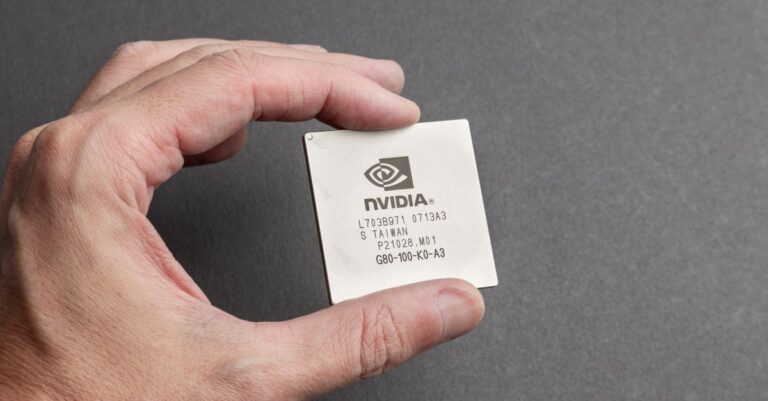
Qualcomm pointed to rising wafer and memory costs, and it is not alone in moving. Nvidia has raised AI server prices by more than 15% amid the same memory crunch, and street prices for high-end graphics cards have climbed sharply, with RTX 5090 cards selling for around $5,000, roughly double their launch price. Industry trackers have documented the shortage all year: suppliers prioritize HBM and data center storage, leaving commodity DRAM and NAND for phones and laptops tight and expensive.
The squeeze shapes what device makers can do. A phone or laptop design is locked to its memory for the life of the product, so manufacturers ordering components now are paying shortage prices on hardware that will compete against inventory built cheaper a year earlier. Some of that gap reaches the price tag, and some comes out of margins.
The X2 Elite laptop arrives mid-squeeze
The price increase took effect the same week Qualcomm unveiled its most ambitious Windows machine to date. At LEAP 2026 in Riyadh, Qualcomm and HUMAIN, the Saudi AI company backed by the Public Investment Fund, showed the Horizon Ultra, a laptop built on the Snapdragon X2 Elite platform with its Oryon CPU, Adreno GPU and Hexagon NPU rated at 80 TOPS of on-device AI throughput. Both companies pitch it as an “agentic AI PC” that runs models locally instead of sending every request to a data center.
The machine ships enterprise-first through sales partner AlFalak from September 20, and no consumer price or retail date has been announced. A custom HUMAIN operating system is planned for the next hardware generation in 2027, while the current model runs Microsoft Windows.
| Cost move | Scope | Effective |
|---|---|---|
| Qualcomm chip price increase | Double-digit percentage, Snapdragon lines | September 1, 2026 |
| Nvidia AI server increase | More than 15% | 2026 |
| RTX 5090 street price | About $5,000, roughly 2x launch | Current |
What buyers should expect
For anyone shopping for a phone or laptop this quarter, the practical read is that older inventory is the value play. Devices built before the increase carry cheaper component costs, and retailers clearing that stock have room to discount in a way post-September production does not.
The premium tier tells a different story. Flagship Android phones and new Snapdragon X2 laptops arriving for the holidays carry components bought under the higher schedule, and vendors will weigh absorbing those costs against a visible price bump in a market where replacement cycles are already stretched. Analysts expect most Android vendors to absorb part of the increase through component swaps and stretched launch schedules before touching shelf prices, which delays but does not cancel the pass-through.
The AI PC push continues regardless of component inflation. Qualcomm’s bet with Horizon Ultra and the X2 Elite is that local model execution becomes a reason to buy, not a spec sheet line, and HUMAIN’s involvement shows Gulf states want their own compute stack rather than only imported devices. Whether that pitch survives holiday price sensitivity is the question the next quarter answers.

discussion