
About 600 bitcoin mined during the network’s earliest months moved on-chain this week after 16 years of complete dormancy, according to Whale Alert data reported by Cointelegraph. The transfer bundled twelve separate mining rewards, each worth 50 BTC from the era when block rewards still paid that amount. Analysts tracking the move found no connection to wallets associated with Satoshi Nakamoto.
What actually moved
The coins came from miners active in 2010, when bitcoin was worth cents and block rewards paid 50 BTC per block. Wallets from that period are collectively called the Satoshi era because they predate Nakamoto’s disappearance from public communication in 2011. Holdings from this window number in the millions of BTC and have sat untouched for so long that any movement registers immediately on monitoring services.Whale Alert flagged the consolidation as twelve distinct rewards being gathered and transferred in a single batch. The receiving wallet has not been identified with any known exchange or custodian. That detail matters because coins moving to a recognized exchange deposit address would typically signal an intention to sell, while movement between private wallets could be anything from estate planning to a hardware migration to basic housekeeping by someone who finally located an old key.
Why old coins keep waking up
Dormant supply has been increasingly active in 2026. Long-inactive coins have moved in several notable episodes this year, and each one triggers the same debate: is this an early adopter preparing to sell into a market near $79,000, or is an old wallet simply changing hands? There is no reliable way to tell from the blockchain alone.On-chain analysts generally watch for what happens next. If the coins reach a major exchange deposit address within days, selling is likely. If they settle into a new dormant address, the transfer was probably custodial. In past episodes the split has been roughly even, and several large 2025 transfers turned out to be estate transfers or wallet upgrades rather than sales.
The onchain tracking platform finding no connection to Satoshi Nakamoto, per Whale Alert’s summary of the transfer.
Market impact, or the lack of it
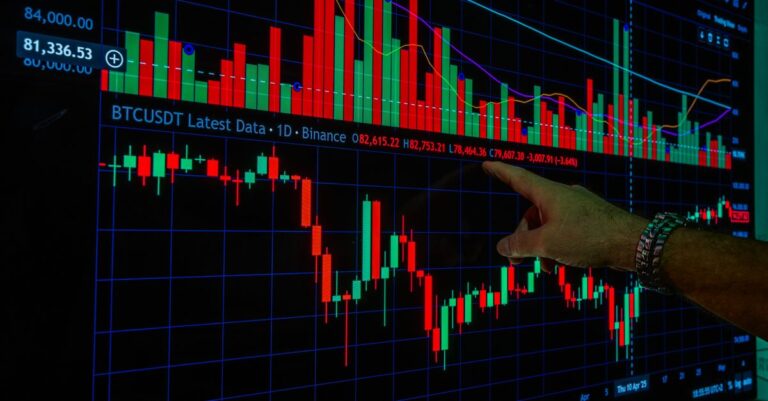
At current prices 600 BTC is worth roughly $47 million, a sizeable sum but small against daily spot volumes. Spot bitcoin ETFs have drawn nearly $1 billion in a single week during the strongest inflow stretch of 2026, so a one-off transfer of this size does not register in price terms. Bitcoin has been trading between $79,000 and $80,000, briefly dipping below the former before recovering. Ether ETFs added $218 million over the same stretch, and risk appetite across digital assets has held up despite macro pressure from rising rate-hike expectations.That said, the cumulative effect of many dormancy breaks does matter. Analysts model long-term supply partly on how much old coins return to circulation. Each batch that wakes up and goes quiet again adds to the pool of coins that could move quickly if the holder decides to sell.
The identity question
Speculation about who holds Satoshi-era keys is a permanent fixture of crypto culture. The Whale Alert analysis explicitly ruled out addresses linked to Nakamoto, which narrows the field to the broader group of 2010-era miners. Early miners include individuals now in their later decades, which is why estate transfers have become the most common explanation for large dormancy breaks. Others simply lost access and recovered it, sometimes after a decade of assuming the coins were gone.There is also the security angle. Coins that sat in 2010-era wallet formats are often held in files or paper backups that no longer fit modern tooling. Moving them usually means reconstructing a wallet from an old format, which can take weeks of work and carries real risk of permanent loss if the recovery is done badly. Some long-dormant transfers are preceded by test transactions from small amounts of the same old supply, a pattern that suggests careful manual recovery rather than automated movement.Sources tracking the wallet say no further movement has occurred since the initial transfer, leaving the standard ambiguity in place until the coins either reach an exchange or go quiet again.
discussion