
President Donald Trump announced what he called “the most crushing economic operation ever taken against any country” on Wednesday, threatening any nation that continues doing business with Iran with “tremendous Economic Consequences.”
Writing in all capital letters on Truth Social, Trump declared he was launching “economic D-Day” against Iran because the Islamic Republic had failed to make a deal with the US. “ANY country that allows its financial institutions, businesses, airports, or government entities to provide any type of lifeline to Iran will itself face TREMENDOUS Economic Consequences,” Trump wrote.
Draconian Sanctions Ready
Speaking to technology leaders on Wednesday, Trump said Washington had “very draconian sanctions” available against Iran and indicated further measures could be announced. “We have things that we could sanction. We have very draconian sanctions, and we’ll see what happens,” he said. He added that the outcome could lead to oil prices dropping “like a rock” or a continuation of current measures.
Trump also claimed the US naval blockade of the Strait of Hormuz had been “100% successful,” saying oil shipments were continuing despite tensions. “Right now the Strait is open. A lot of boats are coming through,” he said, adding that oil prices had remained at around $84 to $85 per barrel despite earlier predictions of a spike to $350.
Pressure Campaign Targets Third Countries
The announcement extends the pressure campaign of Operation Economic Fury, launched in April to sanction foreign banks and firms doing business with Tehran. Trump specifically called out “oil smuggling, swap lines, cash transfers, exchange houses, ship registries, front companies,” saying “it all needs to stop NOW.”
While Trump did not name any specific country, Chinese businesses remain the largest buyers of Iranian oil, a key source of Tehran’s funding. Since the start of the war, the US has sanctioned several privately owned oil processing plants, or teapot refineries, mostly based in China’s Shandong province.
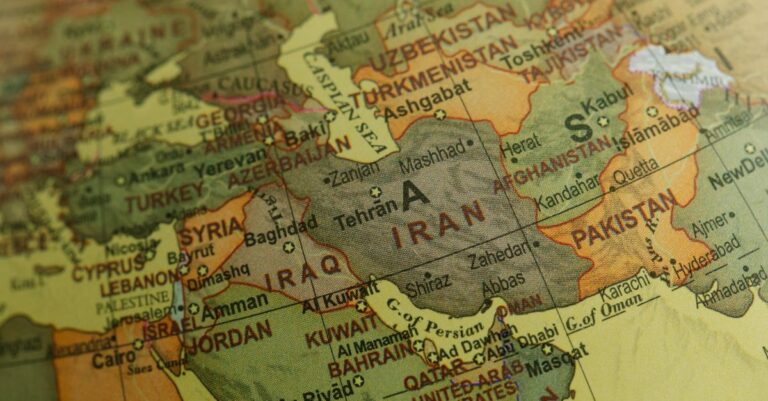
The announcement came a day after the UAE imposed an indefinite trade embargo on Iran, cutting off one of Tehran’s last remaining commercial lifelines. The 60-day ceasefire between the US, Israel, and Iran expired on Monday with no diplomatic breakthrough.
BBC News noted that ahead of US midterm elections in November, Trump faces mounting pressure over how much the war is costing American consumers. Iranian Parliament Speaker Mohammad Bagher Ghalibaf said Tehran would not reopen the Strait of Hormuz until the US fulfilled commitments under a 14-point Memorandum of Understanding, including lifting the blockade and releasing frozen assets.
Sources: BBC News; ANI News; CBS News; Al Jazeera; Iran International
discussion