
As Russia’s full-scale invasion of Ukraine enters its fifth year with no end in sight, the Kremlin is facing an increasingly difficult balancing act between its territorial ambitions and the political risks of a new mobilization.
Fears of a fresh draft wave are spreading across Russia, with pro-war Telegram channels urging men to sign military contracts before they are forced to fight. The Kremlin has denied any plans for a new draft campaign, but the pressure is mounting on multiple fronts.
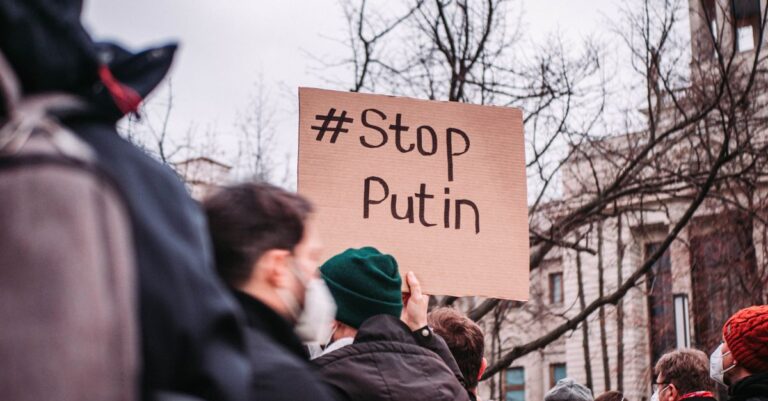
Ukraine’s military intelligence claims Moscow is preparing to mobilize at least 500,000 reservists this fall, a figure that, if accurate, would dwarf the 300,000 called up in September 2022 – Russia’s first mobilization since World War II. That earlier draft triggered rare public protests and prompted tens of thousands of Russians to flee the country.
Recruitment Crisis Deepens
Russia has sought to offset battlefield losses by offering high salaries and signing bonuses to new contract soldiers, with payments reaching up to 5.5 million rubles (roughly $70,000) for a year of service. But independent media reports and analysts suggest the country is finding it increasingly difficult to attract volunteers.
Fewer men are willing to risk being sent to the front and potentially killed. Many are also discouraged by the fact that military contracts cannot easily be broken by law, even though recruitment ads often promise only one year of service. An intensifying campaign to pressure university students to enlist has emerged as one sign of the recruitment crunch.
An anonymous Russian general who fought in the full-scale invasion told journalists he believes “mobilization to capture Donbas is entirely possible, either through a covert process or through an officially announced and public mobilization.” The general added bluntly: “No one will worry about the losses. The main thing is to save face.”
Legal and Administrative Groundwork
Military lawyers and human rights experts say Russia has already prepared the legal and administrative mechanisms needed for a new wave of mobilization. Under Russian law, mobilization can be launched by presidential decree – and the decree Putin issued in September 2022 remains legally active.
“This means the authorities could simply issue a separate, possibly secret presidential order instructing the Defense Ministry to call up a certain additional number of people,” said Grigory Krivenko, a military law expert. Such an order would not even necessarily have to be made public.
Russia has also significantly expanded its military registration system since 2022, including electronic databases and new rules requiring employers to provide information about citizens eligible for military service. A law introducing year-round conscription took effect in 2026, allowing draft boards to operate continuously rather than during seasonal campaigns.
Border Crossings Surge
The anxiety is already having real-world effects. Georgia’s authorities confirmed that roughly 7,900 citizens used a border crossing to enter the country in a single 24-hour period beginning August 18. Armenia has also seen an uptick in Russians seeking to avoid potential conscription, with one man telling RFE/RL he spent two years in hiding before finally escaping to safety.
Russia currently has roughly 700,000 troops deployed along the front, but territorial gains have slowed to some of the lowest rates of advance recorded since the invasion began. As of March, Russia controlled only 17% of the Donetsk region, despite repeated pledges by Putin to seize all of Donbas.
The UK Ministry of Defense assessed in May that Russia had sustained more than one million casualties for approximately one percent of Ukrainian territory, with operational momentum shifting toward Kyiv. Ukrainian officials estimate total Russian personnel losses at approximately 1.35 million killed and wounded as of mid-May.
discussion