
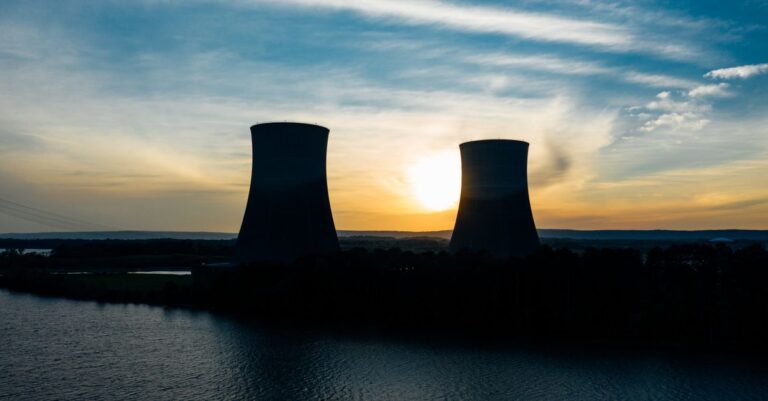
Bulgaria has become the latest European country forced to reduce nuclear power output as a record drought scorching the continent pushes Danube River water levels to critical lows.
The state-owned Kozloduy nuclear power plant, which supplies more than a third of the country’s electricity, will cut the capacity of one of its two operating reactors by approximately 120 megawatts starting August 21, the Bulgarian energy ministry said in a statement on August 20.
The reduction is necessary to ensure safe operation of the plant, which relies on Danube waters for cooling its reactors. Each of Kozloduy’s two reactors has a capacity of 1,000 megawatts, making the 12% cut significant for Bulgaria’s power grid.
First Cut in 52 Years of Operation
The ministry described the water level drop as “unprecedented and critical,” noting that this marks the first time output at the plant has been reduced due to extreme weather and hydrological conditions since Kozloduy began operating 52 years ago. The plant has its own pumping station on the banks of the Danube, which had previously protected it from having to curtail generation during earlier dry spells.
Forecasts for the river upstream of Bulgaria “continue to show a downward trend,” the ministry warned, suggesting the cuts could deepen if conditions do not improve. The Danube, Europe’s second-longest river, has been hit by across-the-board low water levels that have disrupted shipping, hydropower, and now nuclear generation across multiple countries.
Danube Drought Hits Three Nations
Bulgaria’s announcement follows similar disruptions in neighboring countries along the Danube. Hungary restarted Reactor 3 at its Paks nuclear plant on August 23 after emergency engineering work raised water levels, targeting full 2,000 megawatt output by midweek. Romania has also faced reduced hydropower output from its Danube dams as water levels fell to historic lows.
The compound effect of drought across Central and Southeastern Europe is straining power grids at a time when energy markets are already under pressure from the ongoing Strait of Hormuz shipping disruption and elevated oil prices. OPEC and the International Energy Agency both recently downgraded their 2026 demand forecasts, citing the economic fallout from continued disruptions to Middle East energy supply routes.
The water level drop at the Danube is unprecedented and critical. Forecasts upstream continue to show a downward trend.
The European drought is part of a broader pattern of extreme weather events impacting energy infrastructure in 2026, from wildfires disrupting generation in southern Europe to cyclone damage at Australian LNG facilities. Energy analysts warn that climate-driven disruptions to both fossil fuel and nuclear operations are becoming more frequent, adding structural risk premiums to European power markets.
discussion