
Hungary’s Paks Nuclear Power Plant restarted Turbine 6 of Reactor 3 on Saturday evening, marking the latest step toward full operational recovery after a weeks-long crisis triggered by record-low water levels in the Danube River. Prime Minister Peter Magyar confirmed the restart and said the facility, which supplies roughly half the country’s electricity, is expected to reach its full 2,000-megawatt nominal capacity by Wednesday.
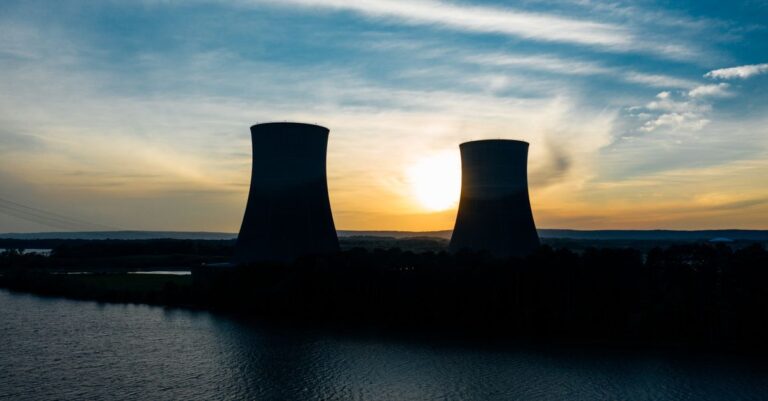
The crisis began in late July when the Danube, Europe’s second-longest river, dropped to levels not seen in 30 years. At the peak of the shutdown in early August, only one of the plant’s eight turbines remained in operation. The four Soviet-designed VVER-440 reactors, located 100 kilometers south of Budapest, all depend on Danube water for cooling, making the plant acutely vulnerable to drought conditions.
Emergency Measures Raise River by 15 Centimeters
To prevent a total shutdown, the Hungarian government ordered emergency construction measures that included building a submerged weir on the Danube between Paks and Dunaszentbenedek and sinking two 80-meter barges across a section of the river. Magyar said these measures together raised the water level at the plant by approximately 15 centimeters, enough to sustain two turbines then in operation.
The first turbine resumed production on August 10 as conditions began improving. With Turbine 6 now back online, the plant is steadily approaching full restoration. Magyar said during a live broadcast from the plant that if everything goes according to plan, the nuclear power plant will reach its nominal capacity of 2,000 megawatts by Wednesday, and one month after the first turbine was shut down, all eight turbines will once again be in operation.
Continental Pattern of Heat-Driven Nuclear Stress
The Paks crisis is not an isolated incident. Romania’s Cernavoda nuclear plant, also on the Danube, shut down its last operating reactor in mid-August due to the same record-low water levels. France’s EDF was forced to reduce output at multiple reactors during the heatwave, as environmental regulations limit warm-water discharges when river temperatures are already elevated. UK officials also monitored the Sizewell B nuclear plant as a major wildfire raged just three miles away.
These stations provide the seawater supply essential for cooling the steam circuits. The exceptional scale of the phenomenon, exceeding the usual forecasts, led to a partial clogging of the filtration devices, EDF wrote in its recapping of the challenges this summer.
The European heatwave has exposed a structural vulnerability in nuclear infrastructure that depends on river and seawater for cooling. While nuclear plants produce virtually no greenhouse gas emissions during operation, their baseload reliability is now being tested by the very climate disruption they are meant to help address. The episode raises questions about long-term climate adaptation for Europe’s aging nuclear fleet, much of which was designed decades ago without anticipating the frequency of such extreme drought conditions.
For Hungary, the crisis underscored how a single power source, however clean, can become a national energy liability when external conditions shift dramatically. As the country moves toward building new Russian-designed Paks II reactors, the lessons of the Danube water shortage will likely shape how future projects account for cooling-water resilience.

discussion