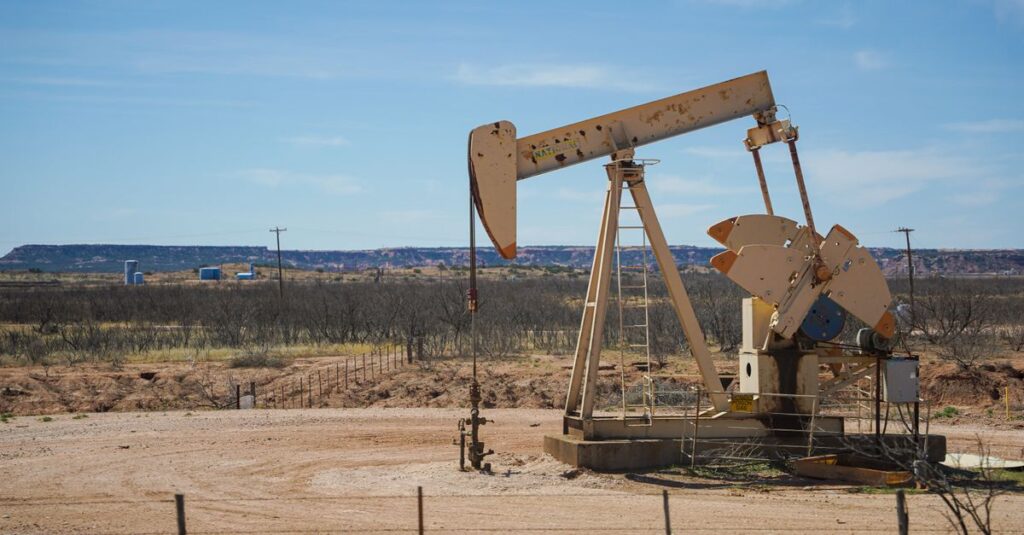
Oil prices gained for the first time in five sessions on Tuesday as investors waited for signs of US-Iran talks at the United Nations General Assembly this week. Brent crude futures for November rose $1.14, or 1.1 percent, to $101.48 a barrel in early European trading, and the November WTI contract climbed 85 cents, or 0.9 percent, to $93.22. The October WTI contract, which expired Tuesday, settled 87 cents higher at $96.65. By later in the session Brent had extended to $102.06, up 1.7 percent.
The move reverses a stretch of heavy selling. Crude had fallen for four straight sessions as more supplies moved through the Strait of Hormuz and traders priced in de-escalation. Admiral Brad Cooper, head of US Central Command, said Friday that oil and LNG shipments through the strait over the prior two weeks hit the highest level in six months, calling US naval protection and mine clearance efforts a case of the strategy paying off. Energy Secretary Chris Wright put the flow at about 10 million barrels a day of crude and products, describing markets as tighter than Washington would like but not overly tight.
The diplomatic window
President Donald Trump told the UN General Assembly that Iran has taken too long to negotiate a peace deal, language traders read as pressure ahead of possible talks. Secretary of State Marco Rubio said the US is open to meeting Iranian officials during the assembly, per The National’s live coverage from New York. Tehran, for its part, told mediators it would reopen the Strait of Hormuz within seven days if Washington starts easing military pressure, an offer that knocked Brent down more than 3 percent when it surfaced Monday.
The two positions are far apart, and that gap is what keeps oil near $100. Iran maintains the strait is closed and has exported zero barrels under the US blockade, while Gulf states push a temporary shipping arrangement brokered by Oman. French diplomats are drafting a UN Security Council resolution on Hormuz, and the Kremlin said Vladimir Putin discussed Gulf security with Saudi Crown Prince Mohammed bin Salman. UN Secretary-General Antonio Guterres told the assembly the fighting must stop. None of it amounts to a deal yet.
The negotiation backdrop is messy by design. Treasury Secretary Scott Bessent has been running what he calls an economic campaign to squeeze Iran’s oil revenue, and critics inside the administration argue the pressure campaign may harden Tehran’s position rather than force concessions. Kushner-linked intermediaries have touted progress while the two sides cannot even agree on what disarmament means. Traders have learned to discount the optimism and price the tankers.
Supply risks keep the bid alive
Houthi attacks on Saudi facilities resumed over the weekend. Saudi civil defense issued two early-morning air raid alerts for Riyadh on Saturday, the first for the capital since the height of the US-Iran war in March and April, and Trump cut his trip short after the strikes. Yemenis have been fleeing toward Djibouti as the conflict around Taiz spreads, and the Houthis are fighting for control of the Kahboub mountain range near the city. The group has also targeted Saudi tankers in the Red Sea this month, reopening a front most shippers had assumed was closed.
Saudi Arabia has restarted its East-West oil pipeline, the bypass route a drone attack knocked out during the summer, which reduces the kingdom’s dependence on the strait. Libya’s Sharara pipeline shut again, trimming output and tightening the light-crude balance European refiners rely on. War-risk insurance premiums for tankers remain elevated even as physical flows recover, which keeps delivered costs for Asian and European importers high regardless of the futures screen.
What traders are watching
The market has spent the week pricing two contradictory stories at once. The reopening offer and rising Hormuz traffic argue for lower prices. The Houthi strikes, Trump’s UN rhetoric and the absence of an actual agreement argue for higher ones. Tuesday’s bounce suggests the bearish story had run its course for the moment, with positioning washed out after five down days.
Attention now shifts to whether a Trump-Iran meeting materializes before the assembly winds down. A confirmed session would likely knock $3 to $5 off Brent in a single session, based on how the market reacted to Monday’s reopening offer. A breakdown, or another attack on Gulf infrastructure, would send the contract back toward its recent highs. The weekly EIA inventory report on Wednesday adds a domestic datapoint, though traders say geopolitics has overwhelmed stock draws and builds for weeks.
The second-order effects are already visible in equities. The Nasdaq closed at a record 27,122 on Monday as crude fell more than 3 percent and Treasury yields pulled back, and the index added another record close Tuesday with the S&P 500 flat at 7,764.64. Lower oil has been the single biggest tailwind for risk assets this month, which gives the White House an economic reason to pursue the diplomatic track even if the talks go nowhere.
For now, the tape says nervous, not panicked. Front-month spreads have eased from their August extremes, and equity markets appear to believe the diplomatic track has a chance. Oil traders are less convinced, and the $100 Brent handle reflects exactly that doubt. Until tankers move under a signed arrangement rather than a naval escort, every rally and every sell-off remains a bet on headlines.