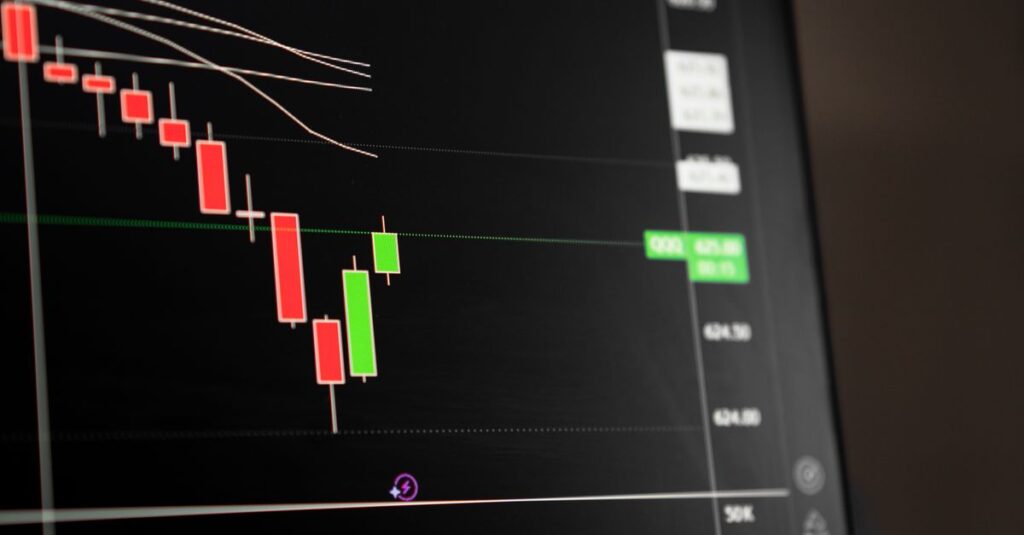
Oil fell for a third straight session, with Brent slipping below $104 a barrel as supply fears eased and traders turned their attention to the next round of diplomacy in the US-Iran war. West Texas Intermediate traded near $101. The declines follow a loss of more than 3% across the two previous sessions.
The move marks a shift from the panic pricing of recent weeks, when attacks on shipping through the Strait of Hormuz pushed Brent well above $110 and analysts warned of a full supply shock. Markets are now pricing in repair progress and talks rather than escalation, a reversal that has caught several desks that added bullish hedges in early September on the wrong foot.
Saudi workarounds take shape
Saudi Arabia is ramping up prompt sales of crude from outside the Strait of Hormuz following the shutdown of the kingdom’s East-West pipeline, the artery that normally moves crude from Abqaiq to the Red Sea coast for export. Riyadh has moved to restore the damaged line, aiming to return about half its capacity within days, according to Bloomberg reporting.
At the same time, some tankers continue to traverse the contested strait, a sign that full closure has not materialized despite repeated threats. The combination of partial pipeline recovery and continued transit has loosened the physical market’s grip just enough for prices to retreat.
China has also played a quiet mediating role. Over the weekend, Beijing relayed a Saudi request for Iran to curb Houthi attacks on shipping, a diplomatic channel that helped ease fears of a wider regional supply cutoff. Chinese buyers have been among the most exposed to any Hormuz disruption, which gives Beijing both the motive and the leverage to keep the channel open.
The repair timeline matters as much as the diplomacy. Saudi Arabia spent years building redundancy after the 2019 Abqaiq attack, and the East-West pipeline’s Red Sea terminal capacity was designed precisely for this scenario: a way to export crude without touching the strait at all. Restoring even half of that capacity restores a meaningful share of the kingdom’s export flexibility, and it signals to buyers that Saudi barrels will keep flowing even under attack.
Freight markets have noticed. Rates for very large crude carriers on Middle East routes spiked during the worst of the shipping attacks and have come off their peaks as insurers recalculated risk premia for Gulf loadings. War-risk insurance pricing is a leading indicator worth watching: when it falls, physical traders get comfortable loading; when it spikes, the paper market follows within days.
Diplomacy moves to the foreground
Traders are watching the next round of diplomacy that will shape the war’s course. US and Chinese officials opened trade and AI talks in New York on Sunday ahead of a summit between President Trump and China’s Xi Jinping later this week. While the sessions focused on bilateral issues, the broader tone of de-escalation around Middle East shipping has supported the sell-off in crude.
Inventory data adds a caution flag underneath the rally in risk assets. Analysts at Capital Economics note that a sharp drawdown in oil inventories has left stocks close to critically low levels, meaning the market has little buffer if a new attack or pipeline setback reverses the repair progress. Their July note on a renewed strait closure laid out how quickly the picture could change.
| Benchmark or metric | Level | Direction |
|---|---|---|
| Brent crude | below $104 | third straight daily decline |
| WTI crude | near $101 | tracking Brent lower |
| East-West pipeline | partial repair | about half capacity within days |
| Global inventories | near critical lows | drawdown ongoing |
What a wider conflict would cost
The stakes remain high. Roughly a fifth of the world’s oil passes through Hormuz, and the war has already limited energy shipping through the waterway for months. Analysts at Capital Economics wrote in July that a renewed full closure of the strait, combined with depleted inventories, would push the global economy into territory it has so far avoided.
Central banks are already dealing with the inflation the conflict has produced. The Federal Reserve and the European Central Bank have both raised rates this month, and the Bank of England signaled it may have to follow if the war continues. Governor Andrew Bailey was one of three Monetary Policy Committee members who voted to hold but flagged the risk of further increases. Higher energy costs feed directly into those decisions, which is why oil’s current retreat matters beyond the commodity desk.
Refined products tell a harsher story than crude. Gasoline and diesel decoupled from crude in July amid the ongoing conflicts in the Middle East and Russia, according to Capital Economics, limiting any relief at the pump from lower barrel prices. That spread is one reason consumer inflation readings have stayed sticky even as Brent retreats, and it keeps the pressure on policymakers who had hoped energy would do the disinflation work for them.
For now, the market’s judgment is that repairs and talks are winning. Brent’s slide below $104 puts the contract back near levels seen before the most recent escalation, though still far above the mid-$70s range where it traded before the war began. Options markets show traders paying less for upside protection than they did two weeks ago, another sign the fear premium is bleeding out.
The next test comes from Tehran and Washington. Any breakdown in the diplomatic channel, or a strike on the repaired pipeline sections, would likely reprice the barrel within hours. Until then, traders appear content to sell the fear premium back at a measured pace, and physical traders report bid-offer differentials narrowing across Mediterranean and Asian grades.