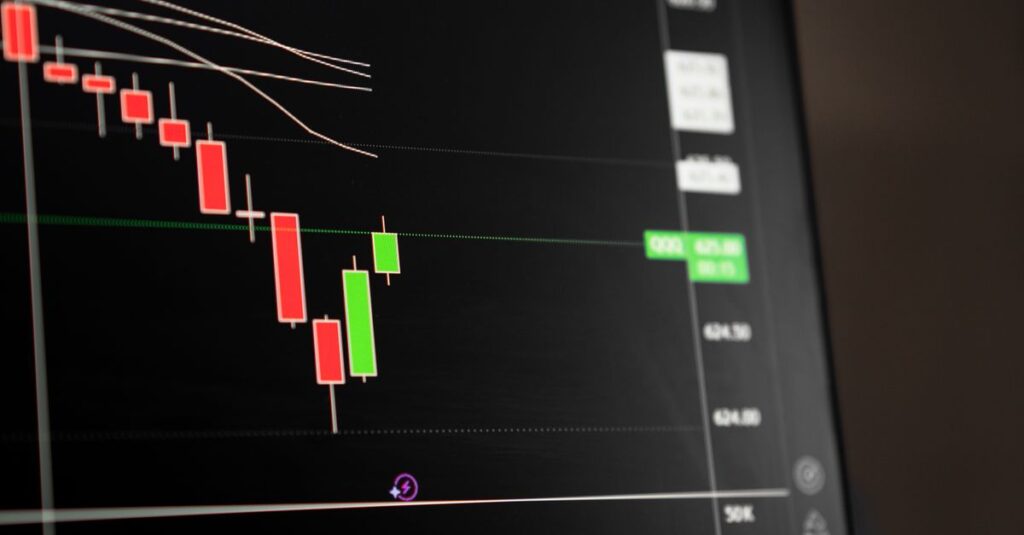
Oil prices eased through the end of last week and held near $103 to $104 a barrel over the weekend, as alternative Saudi export routes and a quiet diplomatic channel took some of the fear premium out of the market. Brent crude settled at $104.87 on Friday, down 0.93%, and weekend quotes put the benchmark around $103.19, down from the four-month highs near $109 touched earlier in the month.
The pipeline attack that started it
The latest leg of the supply story began when an attack damaged three pumping stations on Saudi Arabia’s East-West pipeline, the crucial link that carries crude from the kingdom’s eastern fields to the Red Sea export terminal at Yanbu. Satellite imagery and industry sources later suggested the damage was worse than first assessed, with the repair timeline unclear.
Yanbu had become Saudi Arabia’s key export route since Iran began blockading the Strait of Hormuz following US and Israeli attacks on the country in late February. With the pipeline down, Riyadh canceled some deliveries to European customers. State-run Saudi Aramco told at least two European refining customers they would receive no crude next month, according to Bloomberg News.
The disruption sent prices climbing. Brent spiked past $107 in mid-September as traders priced in a second chokepoint on top of the Hormuz blockade, and diesel prices in major markets hit records, roughly 90% above pre-war levels. Diesel matters more than gasoline here because it powers transport, shipping, farming and manufacturing, so elevated diesel prices feed directly into goods inflation across importing economies.
The timing compounded the damage. Refining capacity worldwide was already stretched, so the loss of Saudi barrels landed on a market with little slack. Traders bid the war premium higher for three straight sessions before the reversal began.
Workarounds and diplomacy pull prices back
Two developments reversed the move. First, Saudi Arabia found ways to keep crude moving. The kingdom began ramping up prompt sales from outside the Strait of Hormuz, arranged ship-to-ship transfers of crude near Oman’s Sohar port for Asian refiners, and said it aims to restore about half the pipeline’s capacity within days. US Energy Secretary Chris Wright called the outage a brief and temporary interruption that would be measured in days.
Second, a diplomatic channel opened. Reuters reported that China, acting on a request from Saudi Arabia, quietly asked Iran to limit attacks by the Iran-aligned Houthis on Saudi oil infrastructure. The request acknowledges an uncomfortable reality for Tehran: the Houthis’ campaign against Saudi targets was threatening the Saudi crude that China, Iran’s largest oil customer, depends on. Brent fell nearly 1% on the news and kept sliding into the weekend.
Saudi Arabia and the Houthis exchanged fresh strikes across their border late last week, and Yemenis took to boats in the Red Sea to escape the fighting, so the de-escalation is partial at best. Some tankers continue to traverse the contested Strait of Hormuz, which analysts read as a sign the blockade is leaky rather than airtight. But the market’s read has shifted from catastrophic disruption to manageable friction.
Priyanka Sachdeva, head of market insights at Phillip Nova, framed the test ahead: the key question is whether physical flows can normalize and what the timeline could be. A sustained improvement in Hormuz traffic would let some of the geopolitical premium unwind further. Renewed escalation would send it straight back.
The macro backdrop is still hostile
Oil’s retreat is doing heavy lifting for the rest of the market. The Federal Reserve raised rates by 25 basis points on Sept. 16, its first hike in three years, to a 3.75% to 4.00% target range, and projections point to another increase in December. The 10-year Treasury yield hit 5.04% on Sept. 15, its highest level since 2007, before easing back toward 4.93% by Friday.
Central banks across the G10 delivered the biggest rise in average rates since July 2023 this month. The Bank of Japan lifted rates to 1.25%, a 31-year high, though the yen fell anyway after two board members dissented, a reminder that rate hikes alone do not guarantee currency support. The European Central Bank raised rates to 2.5% earlier in the month and flagged more tightening. The Bank of England held but said it may have to hike if the Iran war drags on.
All of that tightening traces back to energy. The war in the Middle East, now past the seven-month mark, has pushed oil above $100 a barrel and reignited inflation concerns that had been fading. Gold, which fell after the Fed decision, recovered to around $4,400 as yields pulled back, aiming to close a three-week losing streak. Global stocks dipped through the week despite the oil retreat, with investors unwilling to add risk while the rate path keeps steepening.
Traders are watching two things into next week. Whether the East-West pipeline actually returns to normal flow, and whether Hormuz traffic improves enough to unwind more of the geopolitical premium. A light macro calendar leaves FOMC speakers and oil headlines as the main catalysts.
For consumers, the relief is modest so far. Brent remains roughly 35% above its level before the war started, and retail fuel prices in importing countries have already adjusted upward. A sustained drop back toward $95 would require more than a single diplomatic message, but the weekend’s price action suggests the market is at least willing to entertain the possibility that the worst of the supply shock has passed.