
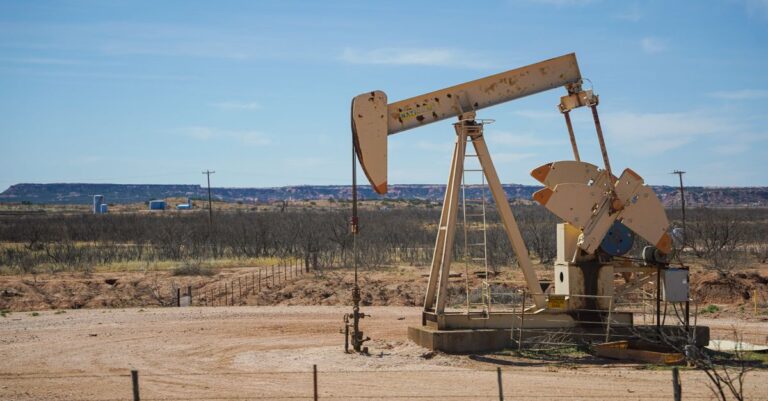
US stock futures pointed lower on Tuesday as Brent crude climbed toward $100 a barrel and Canada’s retaliatory tariffs on American goods took effect just after midnight, adding two fresh sources of pressure to a market already bracing for a possible Federal Reserve rate hike. Brent traded up 1.45 percent at $99.73 and WTI rose 1.50 percent to $94.28, both at six-week highs, according to TipRanks market coverage.
Oil has been climbing for weeks on the US-Iran conflict in the Strait of Hormuz. American strikes on Iranian crude carriers have continued, and an Iran-Oman shipping agreement meant to stabilize traffic through the strait remains unfinished. Bloomberg reported that strong Chinese purchases added to tightness in physical oil markets, meaning the rally is not purely a war premium. Commerzbank rates strategist Patricia Rodda told TheStreet that the inflation picture is becoming murkier because of the rally in oil prices following the latest exchange of strikes, with military activity maintaining a significant risk premium in energy markets amid the possibility of deeper and more protracted disruptions to global supply.
Canada’s tariffs take effect
Canada’s countermeasures went into force minutes after midnight Tuesday. Prime Minister Mark Carney escalated economic pressure on the country’s largest trading partner after negotiations collapsed last month. The package targets US goods across multiple sectors, and Canadian officials have framed it as a response to American measures rather than an opening bid, which leaves little visible path back to the table before autumn.
The move lands on top of an energy price shock that is already feeding into inflation expectations on both sides of the border. For Canadian manufacturers integrated with US supply chains, paying more for American inputs while Canadian exports face US duties is a squeeze with no clean hedge, and business groups in Ontario and Quebec had lobbied for a negotiated settlement right up until talks broke down.
A packed central bank week
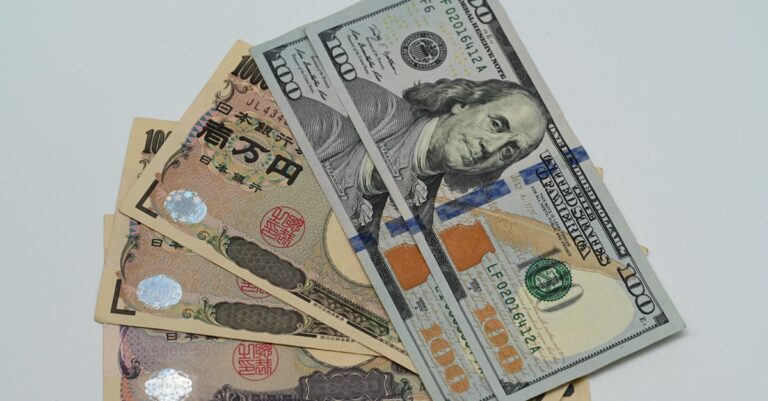
Markets are pricing a quarter-point Fed hike at 52 percent for the September 16 meeting, after August payrolls came in at 162,000 jobs, roughly three times the forecast. Equities sold off on that print Friday, with Treasury yields jumping, but crypto and gold have held firm, a split that suggests investors read the hiring strength as real and the inflation threat as oil-driven rather than broad-based. The ECB meets Thursday with eurozone inflation at 3.3 percent in August and markets near-certain it will raise rates 25 basis points. The Bank of Japan follows September 18, with traders pricing a quarter-point hike and a second move by January after the yen firmed to near 156 per dollar.
| Market | Level | Move |
|---|---|---|
| Brent crude | $99.73 | +1.45% |
| WTI crude | $94.28 | +1.50% |
| Fed hike odds, Sept. 16 | 52% | Up sharply in a week |
| ECB hike odds, Sept. 10 | 96% | Priced for a 25bp move |
| Yen per dollar | Near 156 | +2% on the week |
What to watch this week
US CPI data arrives September 11 and will do more than anything else this week to settle the hike question. A print that shows oil pushing headline inflation higher while core stays tame would support the oil-driven reading, and could actually calm rate expectations even as the headline looks ugly. A hot core number does the opposite.
Crypto markets, which have largely ignored the hawkish repricing, face their own test. Bitcoin held near $79,000 through the jobs selloff, and CoinDesk noted that altcoin perpetual futures now carry more open interest than bitcoin for the first time since December 2024, a sign leverage is migrating into riskier corners even as the rate picture darkens. Zcash, up roughly 45 percent in a week, has been the extreme case, with two large short sellers on Hyperliquid now deep underwater.
For equities, the setup is uncomfortable. Rising yields, a six-week high in oil and a fresh trade dispute with the largest US trading partner give companies three separate reasons to warn on guidance, and the earnings season ahead will be the first to price any of it in. Energy exporters are the obvious exception, and Canadian crude producers now benefit from the very escalation their government is fighting diplomatically.

discussion