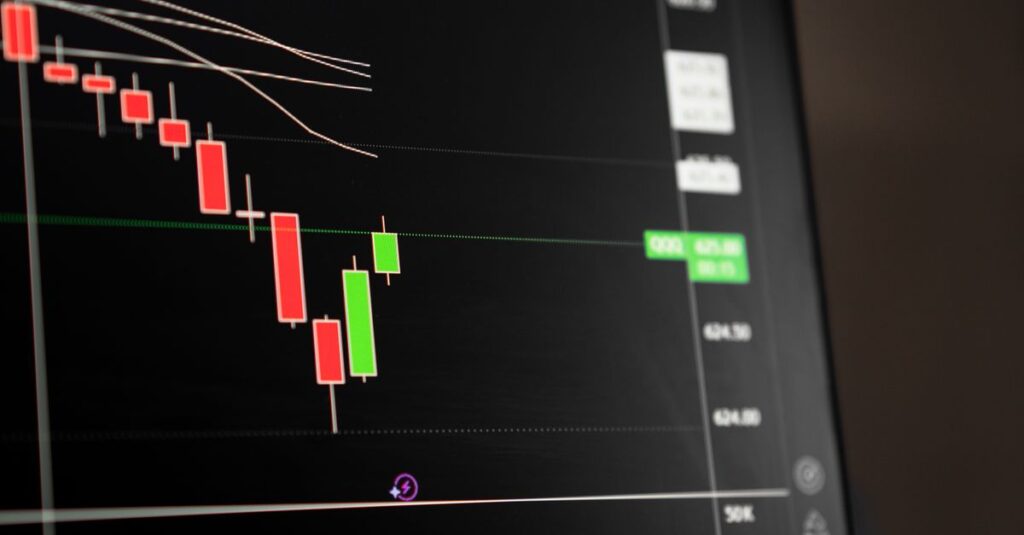
Oil kept falling for a sixth straight session on Wednesday, with Brent sliding toward $98 a barrel as Saudi Arabia restarted its East-West pipeline and Washington reported progress in talks with Iran to end the seven-month war.
Brent crude settled near $99.25 on Tuesday, down about 1 percent, and extended losses toward $98 in early Asian trading on Wednesday. West Texas Intermediate fell 1.2 percent to settle near $94.59. It is the first time Brent has traded below $100 since September 8, and the move has pulled the entire energy complex lower, with gasoline futures down 2.1 percent and heating oil down 3.1 percent on Tuesday alone.
Two supply stories at once
The slide reflects two overlapping developments. First, Saudi Aramco restarted the East-West pipeline, which was shut on September 11 after drone attacks blamed on Iraqi militias. The pipeline moves roughly 4 million barrels per day, about 4 percent of global supply, to the Red Sea port of Yanbu, bypassing the Strait of Hormuz. It is pumping at a low rate now, and a security source said reaching 40 percent of its 7 million barrel capacity will take a couple of days, with a full restart needing 6 to 8 weeks.
Second, Iran told mediators it is prepared to reopen the Strait of Hormuz within seven days if the United States eases military pressure and lifts its blockade of Iranian ports. Tehran also submitted a proposal through mediators, and President Trump told reporters US and Iranian delegations met for three hours on the sidelines of the UN General Assembly.
What it means for markets
The oil retreat has been the single biggest driver of the equity rally this week. The Nasdaq jumped 2 percent to a record close on Monday as cooling oil and yields lifted AI stocks, and the S&P 500 and Dow rallied alongside. Ten-year Treasury yields, which had climbed near 5 percent under inflation pressure, have found relief as the energy shock eases.
The inflation picture is more complicated. US diesel set another record at $6.51 a gallon, and refiners are running flat out with no spare distillate capacity, so pump prices will not fall as fast as crude. Rystad Energy chief economist warned that Brent at $100 and diesel at $6.50 are already squeezing consumers and could tip into a broader slowdown.
Since the US-Israeli war on Iran disrupted oil flows through the Strait of Hormuz, Riyadh has been using the pipeline to reroute around 4 million barrels per day to Yanbu, according to Reuters sources.
The path ahead
Traders are positioning for the restart to accelerate. Tankers are moving to Egypt Mediterranean Port Said and Sidi Kerir for ship-to-ship transfers ahead of Saudi loadings, and Saudi Arabia has loaded more ships at Ras Tanura, raising expectations of increased exports through Hormuz itself.
Diplomacy remains fragile. The Iranian offer is conditional, and nearly seven months of disruption to the world most important energy corridor has taught markets to discount breakthrough talk. But the direction is clear: more supply, from more routes, with a peace track running in parallel. Every session that brings neither escalation nor sabotage pushes Brent further from the $108 highs of the spring.
The Fed, which raised rates to 3.75 to 4 percent amid energy-driven inflation, now faces a softer commodity backdrop heading into its next meeting. Central banks in Europe and Asia have been hiking or holding against the same oil shock, and a sustained Brent slide below $95 would change the calculus for several of them.
For consumers, the relief is real but uneven. Crude is down nearly 10 percent from last week peak, yet diesel, the fuel of trucks and freight, is still at records. The gap between the headline oil price and what households actually pay at the pump and in delivered goods will close slowly, if the truce holds.
Winners and losers in the slide
Energy equities tracked crude lower. The XLE energy sector fund fell 1.1 percent, ConocoPhillips dropped 1.8 percent and Occidental lost 1.6 percent, while refiners and integrated majors with downstream exposure, such as Shell and TotalEnergies, held up better. Natural gas bucked the trend entirely, with Henry Hub futures up 12 percent on the day.
Emerging market currencies benefited from a moderately weaker dollar, and import-dependent economies in Asia, which bore the worst of the Hormuz disruption through freight and insurance costs, are the clearest winners if the corridor reopens. India and Japan, both heavily dependent on Gulf crude, saw their energy import bills ease at the margin this week.
Airlines and shipping are watching closely. War-risk insurance premiums on Gulf routes spiked during the disruption, and a durable Hormuz reopening would bring them down quickly. Tanker rates, which surged as traders rerouted cargoes, have already begun to normalize as the Saudi pipeline restores an alternative pathway.
Skeptics remain
Not everyone is convinced the relief will last. Analysts note that the pipeline restart is partial, that the Iranian offer is unverified, and that the same diplomacy has collapsed before. A single drone strike on Saudi infrastructure, like the September 11 attack that shut the East-West line, could reverse a week of gains in a session.
Options markets show traders hedging both ways, with downside protection in crude still bid despite the spot slide. Physical traders report that Asian refiners are holding off on fresh November bookings until the political picture clarifies, preferring to pay slightly higher prices later than lock in cargoes that a renewed blockade could strand.
Still, the psychological threshold matters. Brent below $100 removes a headline number that has dominated financial news since early September, and it resets the inflation conversation in Washington and European capitals. If the seventh day of the Iranian offer passes with the Strait open, the next leg lower could be fast.