
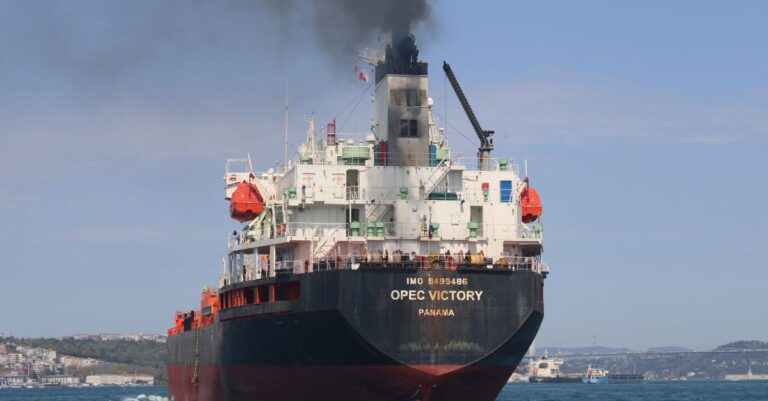
Tankers are waiting up to 30 days to load crude at Venezuelan ports as aging infrastructure, power outages, and U.S. sanctions bottlenecks create a de facto export cap on the country resurgent oil production.
At the Jose terminal, one of Venezuela main export hubs on the northeastern coast that handles roughly 700f the country overall exports, vessel queues have stretched to more than a dozen ships. Average wait times have escalated sharply in recent weeks, according to shipping data and sources familiar with the situation.
The terminals are just overwhelmed. It is a combination of equipment failures and the constant need to verify compliance with U.S. sanctions,
said a shipping agent based in the region who spoke on condition of anonymity.
Aging Infrastructure Meets Rising Demand
Venezuela dilapidated port terminals are straining under surging export activity that the system was never designed to handle in its current condition. When output peaked at more than 3 million barrels per day more than two decades ago, the nation terminals could handle over 2.5 million bpd of exports, with vessels loading and departing in under a week.
Today, many loading arms and pumps are outdated and prone to breakdowns, limiting the pace at which terminals can load tankers even when berths are available. The loading hiccups are triggering disputes over demurrage, crude quality, and ship contamination, according to maritime documents and vessel monitoring data.
The speed of crude transfers from tanks to vessels is incredibly slow, which forces tankers to occupy docks for longer than their assigned loading windows,
a PDVSA source told Reuters.
Sanctions Complicate an Already Strained System
The backlog is partly rooted in U.S. sanctions, which require each tanker to undergo vetting to ensure it is not blacklisted by the U.S. Treasury. The process is time-consuming and often leads to last-minute vessel substitutions, leaving berths idle. The recent reimposition of sanctions on Venezuela oil sector has forced PDVSA to rely on a smaller pool of available vessels.
The delays are putting roadblocks on a U.S. plan to quickly boost Venezuela oil exports and are particularly acute for Aframax and Suezmax tankers that carry Venezuelan crude to Asia and other destinations. Some vessels are resorting to ship-to-ship transfers to load cargoes, further complicating operations.
As queues lengthen, freight rates for tankers calling at Venezuelan ports have spiked, and insurers are charging higher premiums due to increased delay risk. Some charterers are now avoiding Venezuela entirely because of the cost and complexity, a shipbroker in Houston told Reuters.
discussion