
Iran’s Supreme Leader Mojtaba Khamenei has issued a rare written message urging Gulf Arab rulers and Muslim countries to unite against what he called their “real enemy,” marking his most direct diplomatic outreach to regional adversaries since the US-Israel war began six months ago.
The message, published on Khamenei’s Telegram account to mark Islamic Unity Week, commemorating the birthday of the Prophet Muhammad, called for Muslim solidarity and mutual defence while warning that divisions among Islamic nations serve the interests of their adversaries.
“My emphatic and repeated recommendation to the rulers of Islamic countries, especially the countries of West Asia and the Gulf, is to identify your real enemy, understand his plan and confront it,” Khamenei said in the statement, which Reuters confirmed was authentic.
Khamenei specifically addressed Gulf Arab monarchies, asking whether “rogues without identity” would have dared to covet their lands and possessions if their peoples and governments had been “united under the flag of Islam.” The reference appeared aimed at the United States and Israel, which Gulf states have increasingly cooperated with on security matters despite public criticism of the war.
The Supreme Leader also questioned whether Palestinians would have been left “so helpless” if the Muslim world had remained united. The appeal came as the war’s toll on Palestinian civilians continues to mount across both Gaza and the occupied West Bank.
Six Months Out of Public View
The message carries particular weight because Khamenei has not been seen in public since being injured in US-Israeli air strikes that killed his father, Ayatollah Ali Khamenei, in February. He has communicated only through written statements and official channels, fuelling speculation about the extent of his injuries and his grip on power during an existential military conflict.
The latest statement echoed remarks he made on August 28, when he told Iranians he had banned actions that harm social cohesion and urged authorities to avoid “discouraging statements” that weaken national morale. Those comments were interpreted as an attempt to shore up internal unity as the war grinds on with no ceasefire in sight.
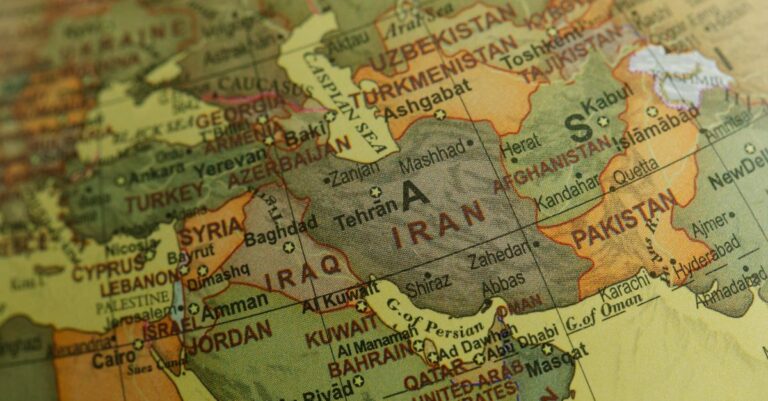
Khamenei’s decision to address Gulf rulers directly, rather than issuing general statements to the Iranian public, suggests Tehran is attempting to exploit divisions within the Gulf Cooperation Council. Several Gulf states, including Saudi Arabia and the UAE, have been caught between their security alliances with Washington and their geographic proximity to Iranian missile and drone strikes.
Gulf States Navigate Competing Pressures
Since the war began in late February, Iran has struck US military facilities and other infrastructure across Gulf states, underscoring the tensions between Tehran and its neighbours. The strikes have complicated the traditional Gulf reliance on US security guarantees, as Washington’s priorities have increasingly been shaped by domestic politics and alliance management rather than regional partners’ security concerns.
Gulf capitals have responded by accelerating efforts to develop more autonomous defence capabilities while maintaining pragmatic relationships with multiple major powers, including China, India, and European nations. Several Gulf states have quietly pursued diplomatic channels with Tehran even as they host US military operations.
The Islamic Unity Week message also arrives at a sensitive moment for Iran’s diplomatic standing. US sanctions have deepened, with Treasury Secretary Scott Bessent laying out plans for what he called the “economic asphyxiation” of Iran. President Masoud Pezeshkian has admitted that exports and imports have fallen 25 to 35 percent, though the government continues to publicly insist it will “stand firm” against economic pressure.
Iran’s revolutionary ideology and its anti-monarchic rhetoric have long made Gulf Arab states wary of Tehran’s intentions. Since the 1979 Islamic Revolution, Gulf monarchies have viewed Iran’s regional ambitions and ideological posture as a threat to their own political systems, making Khamenei’s call for unity a difficult sell among leaders who have spent decades building their security architecture around countering Iranian influence.
The message did not address the specific conditions Iran has set for ending the conflict, which include an immediate end to hostilities, non-aggression guarantees, lifting of US sanctions, and Iranian management of the Strait of Hormuz. Those demands remain the central obstacle in stalled negotiations, with the US insisting on the destruction of Iran’s nuclear programme and Iran refusing any terms that resemble capitulation.

discussion